
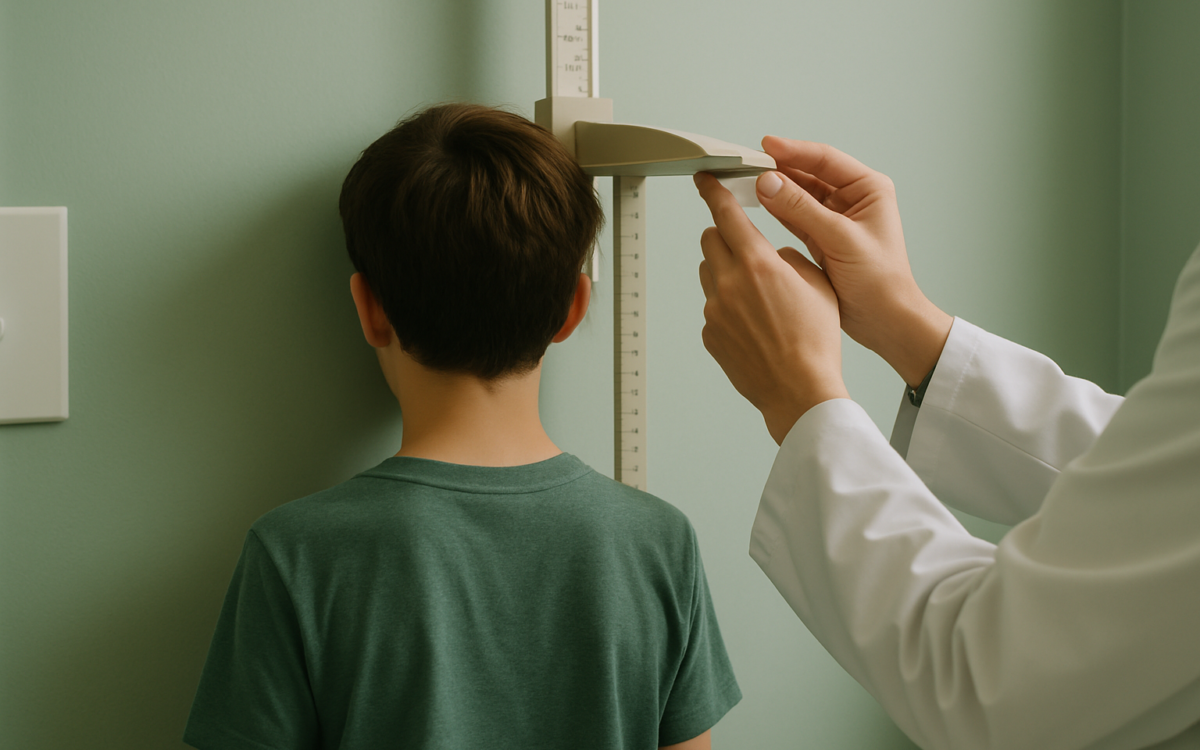
As your child navigates the exciting yet challenging teen years, growth becomes a key concern for parents. Height can vary widely among 14-year-old boys due to numerous factors, including genetics, nutrition, and physical activity. Understanding what to expect during this stage can help you have better conversations about growth and health with your teenager.
What Is the Average Height for 14-Year-Old Boys?
The average height for a 14-year-old boy typically falls between 5 feet 1 inch (155 cm) and 5 feet 8 inches (173 cm). According to the Centers for Disease Control and Prevention (CDC), the median height for boys at this age is approximately 5 feet 5 inches (165 cm). However, it’s essential to remember that growth patterns can vary significantly; some boys may be taller or shorter than the average.
Growth Spurts During Puberty
One of the most noticeable aspects of growth during the teenage years is the phenomenon known as a growth spurt. For boys, this typically occurs between the ages of 12 and 16. During this period, boys can grow several inches over just a few months. This rapid growth can be influenced by:
- Hormonal Changes: During puberty, hormonal shifts stimulate growth plates in bones, leading to increased height.
- Genetics: A boy’s growth potential is often determined by the heights of his parents. If both parents are taller than average, he is likely to follow suit.
- Nutrition: A balanced diet rich in vitamins and minerals plays a crucial role in proper growth.
Why Does Height Vary?
Height can vary for several reasons, some of which are outlined below:
1. Genetics
Genetics is one of the most significant factors in determining height. If family members are tall, it’s likely that the boy will be, too. Tallness is often inherited, making it a key factor to consider.
2. Nutrition
A well-balanced diet can significantly influence a boy’s growth. Nutrients such as calcium, protein, and vitamins are essential for bone health and overall development. A lack of these nutrients can hinder growth and result in shorter stature.
3. Physical Activity
Regular physical activity promotes healthy growth. Sports and exercise stimulate the release of growth hormones in the body and contribute to overall health.
4. Medical Conditions
Certain medical conditions may interfere with growth. Conditions such as hypothyroidism, diabetes, or growth hormone deficiencies may result in shorter stature.
Tracking Growth Over Time
Monitoring your child’s growth is important, especially during these formative years. Parents can help by:
- Keeping a growth chart: Record your child’s height and weight regularly to track their growth over time.
- Consulting with a pediatrician: Schedule regular check-ups where your child’s growth can be evaluated.
When to See a Doctor
If you have concerns about your child’s growth, it’s essential to consult a healthcare provider. Consider seeking medical advice if:
- Your child is significantly shorter than their peers and has not shown signs of growth.
- There are sudden changes in growth patterns, such as a drastic slowdown.
- Your child experiences bone pain or discomfort during growth spurts.
Encouraging Healthy Growth
As a parent, you can play an integral role in supporting your child’s growth. Here are some tips:
- Promote a Balanced Diet: Encourage healthy eating habits rich in fruits, vegetables, whole grains, and lean proteins.
- Encourage Regular Exercise: Involve your child in activities they enjoy, whether it’s playing a sport, biking, or just playing outside.
- Ensure Proper Sleep: Adequate sleep is vital for growth hormone production; teenagers generally need about 8-10 hours of sleep each night.
Conclusion
The average height for a 14-year-old boy can be quite variable, reflecting the wide range of growth patterns each child experiences. By understanding the factors affecting growth and monitoring your child’s development, you can provide the support they need during this crucial phase. Ultimately, celebrating their unique growth journey—rather than comparing them to others—will encourage positive self-esteem and well-being.
