
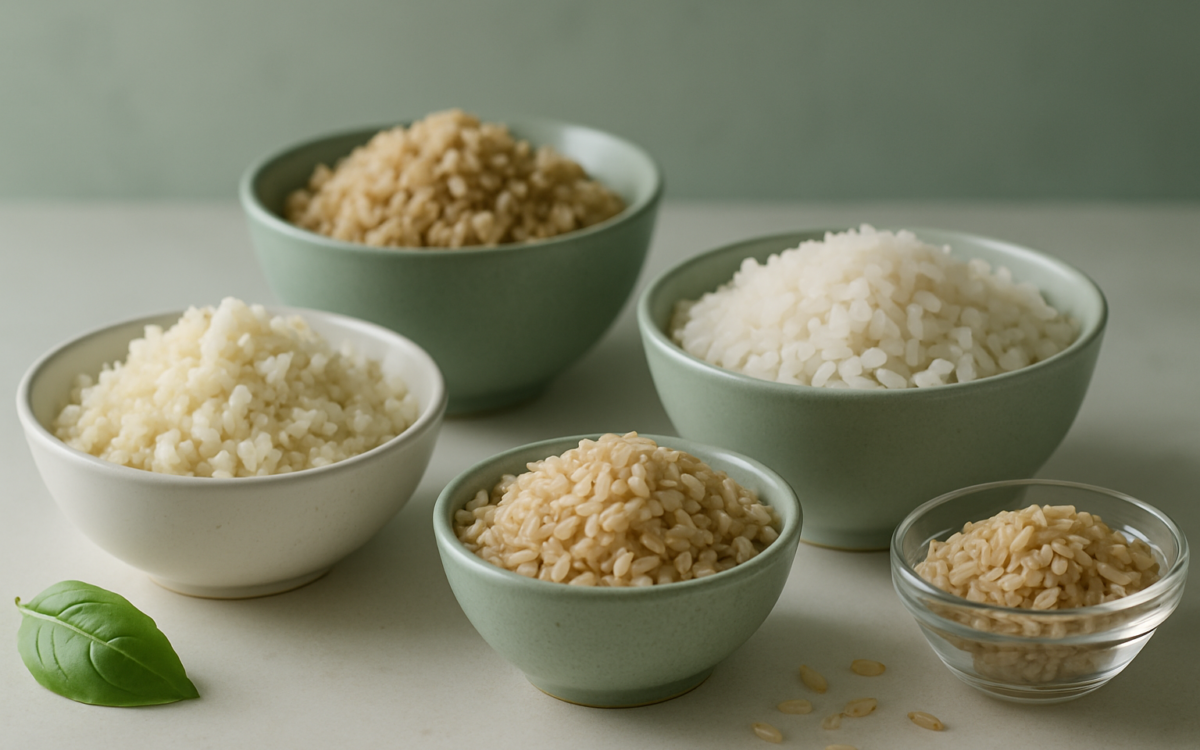
Rice has long been a staple in many diets around the world, providing a versatile base for countless dishes. However, whether due to dietary restrictions, health concerns, or simply a desire for variety, many are seeking nutritious rice substitutes. These alternatives can offer similar textures and flavors while boosting the nutrient profile of meals. Let’s dive into some of the best options available.
Why Consider Rice Substitutes?
There are several reasons you might want to explore rice substitutes:
- Health Concerns: For those managing conditions like diabetes, the glycemic index of rice can be a concern.
- Dietary Preferences: People following gluten-free, low-carb, or paleo diets may need alternatives.
- Nutritional Benefits: Many substitutes provide added fiber, protein, and essential vitamins.
- Variety in Meals: Trying new ingredients can add excitement to your cooking and eating habits.
Quinoa: The Protein Powerhouse
Quinoa has gained popularity in recent years for its impressive nutritional profile. Often labeled a superfood, quinoa is a complete protein, meaning it contains all nine essential amino acids. In comparison to white rice, quinoa is higher in fiber, vitamins, and minerals. It also cooks quickly and has a pleasant nutty flavor.
Cooking quinoa is easy: rinse it well to remove its naturally occurring bitter coating, then boil with double the amount of water until the grains soften and start to separate, typically around 15 minutes.
Cauliflower Rice: Low-Carb and Grain-Free
For those looking for a lower-carb option, cauliflower rice is an excellent choice. By grating or processing cauliflower florets, you can create a rice-like texture that is full of vitamins C and K, as well as antioxidants. This alternative is particularly popular among those on keto or paleo diets.
To prepare cauliflower rice, simply pulse raw cauliflower in a food processor until it resembles rice. Sauté it in a pan with a bit of olive oil for about 5-7 minutes until tender. It’s great for stir-fries, burrito bowls, or as a side dish.
Brown Rice: A Nutritious Whole Grain
If you’re not ready to give up rice completely, transitioning to brown rice can be a great step. As a whole grain, brown rice retains its outer bran layer, which provides more fiber and nutrients than white rice. This can help with digestion and provide sustained energy.
Brown rice takes longer to cook than white rice, typically about 45 minutes. It has a chewier texture and a nutty flavor, making it suitable for a variety of dishes.
Barley: A Traditional Grain with a Twist
Barley is another fantastic rice substitute. It’s packed with fiber and can help lower cholesterol levels. With its unique chewy texture, barley works well in soups, salads, or as a side dish. Plus, it’s very filling, making it easier to manage portion sizes.
To cook barley, combine it with three parts water and simmer covered until tender (usually about 30-40 minutes). It adds a delightful heartiness to any meal while enhancing your diet’s nutritional value.
Bulgur: Quick-Cooking and Flavorful
Bulgur is a whole grain made from cracked wheat and is a common ingredient in Middle Eastern dishes. It’s high in fiber, protein, and various vitamins. Plus, it cooks incredibly quickly—sometimes in just 10-15 minutes depending on the coarseness of the bulgur.
Using bulgur in salads, pilafs, or as a side dish is simple. Just pour boiling water over it, cover, and let it steam until ready to use. Its mild flavor pairs well with various spices and ingredients, making it a versatile addition to your kitchen.
Sorghum: An Ancient Grain for Modern Meals
Sorghum is another fantastic gluten-free option with a unique, slightly sweet flavor. It’s rich in fiber and protein, helping to keep you full longer. Sorghum can be cooked similarly to rice but takes longer—about 45 minutes to an hour. It can also be popped like popcorn, providing a crunchy snack.
Sorghum works brilliantly in grain bowls, salads, or even as a side dish. Its versatility makes it a superb addition to any diet, especially for those looking to diversify their nutritional intake.
When to See a Doctor
While exploring different rice substitutes can enhance your diet, it’s essential to consult with a healthcare provider if you have specific dietary restrictions, health conditions, or if you’re considering significant dietary changes. They can provide personalized advice tailored to your individual health needs.
In conclusion, rice substitutes offer a wealth of options to diversify your meals and enhance your nutritional intake. From protein-rich quinoa to low-carb cauliflower rice, there are many alternatives to explore. By incorporating these substitutes into your diet, you can enjoy delicious meals that align with your health goals.
