
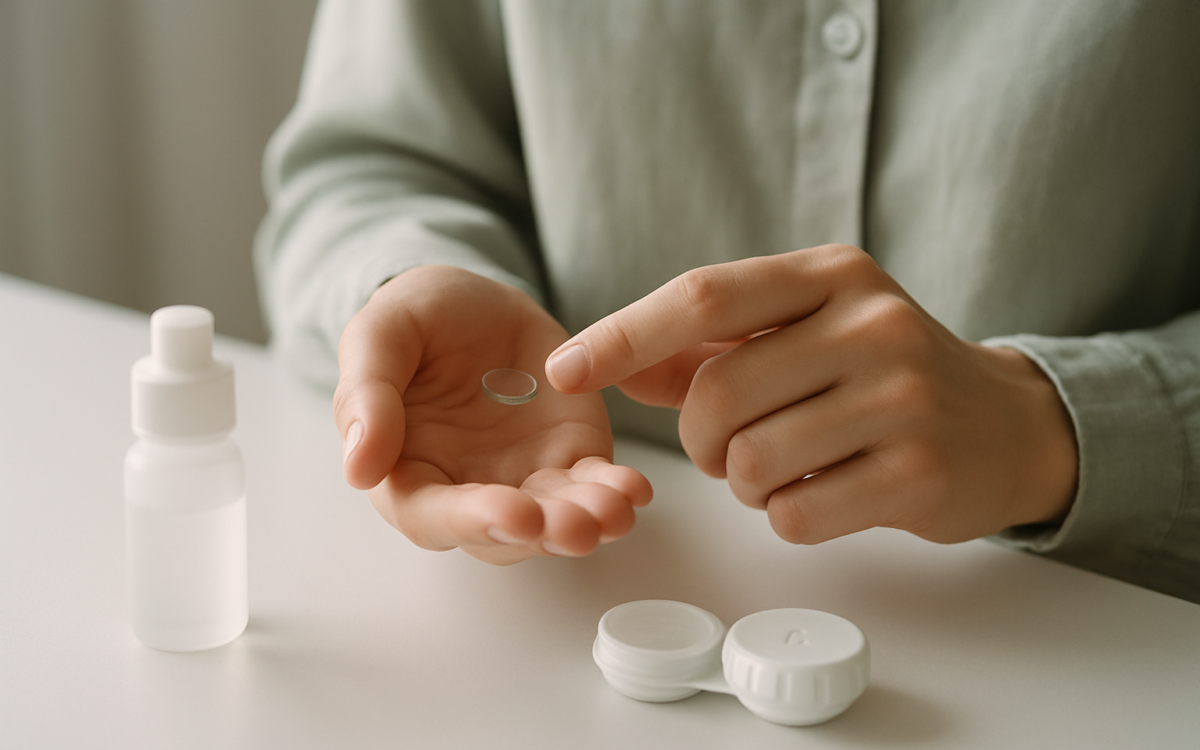
Contact hardness is a term that describes discomfort or problems experienced with the touch and feel of certain surfaces or materials against the skin. This condition can arise in various situations and frequently affects the comfort of those who wear contact lenses, work with certain fabrics, or even handle specific tools. Understanding this phenomenon is key to both prevention and effective management.
What Does Contact Hardness Mean?
At its core, contact hardness encompasses the sensations felt when your skin interacts with various materials. It’s not just a physical sensation; it can also include emotional and psychological dimensions. For example, people who wear contact lenses may experience irritation, discomfort, or sensitivity, leading to a feeling of contact hardness on their eyes. Similarly, those with occupational exposure to prolonged contact with certain items may experience similar feelings of discomfort, known as contact dermatitis.
Common Causes of Contact Hardness
Many factors can contribute to feelings of contact hardness. Some of the most common causes include:
- Material Sensitivity: Some individuals have sensitivities or allergies to materials like latex, plastic, or certain fabrics, which can lead to irritation.
- Prolonged Exposure: Spending extended periods in contact with a hard surface or material can cause localized discomfort.
- Environmental Factors: Weather changes can influence the skin’s sensitivity level; for instance, cold air might make skin more irritable.
- Anxiety and Stress: Mental health plays a significant role in how we perceive physical sensations. Stress may heighten the discomfort felt during contact with certain surfaces.
Contact Hardness in Contact Lens Wearers
Contact lens wearers often notice contact hardness when their lenses become dry or uncomfortable. Symptoms can include itchy, red eyes, and a feeling of grittiness. Regularly replacing lenses, keeping them clean, and using appropriate eye drops can help alleviate these symptoms. Moreover, some wearers may find it beneficial to consult with eye care professionals about the best lens options for their lifestyle and needs.
Contact Hardness and Occupational Health
For those who work in industries that involve prolonged physical contact with materials, contact hardness can become a serious issue. For instance, factory workers, gardeners, or even office workers who handle tools regularly may suffer from contact dermatitis or other skin conditions due to constant exposure to specific elements. Wearing protective gear and ensuring proper hygiene can significantly mitigate these risks. For those seeking international treatment options, resources like acibademinternational.com provide a wealth of information on global healthcare standards and practices.
Self-Care Tips for Managing Contact Hardness
Managing contact hardness often involves self-care steps aimed at minimizing discomfort. Here are some approaches you might consider:
- Moisturize: Keeping your skin hydrated can alleviate some discomfort caused by dryness.
- Choose Comfortable Materials: Opt for breathable fabrics and softer materials to reduce irritation.
- Limit Prolonged Contact: Take breaks to relieve your skin from continuous pressure.
- Keep Hydrated: Staying hydrated is essential for skin health and can help tackle sensitivity.
When to See a Doctor
If you experience persistent discomfort or irritation related to contact hardness, it’s crucial to consult a healthcare professional. Signs that warrant a medical evaluation include:
- Prolonged redness or swelling of the skin
- Severe itching that disrupts daily activities
- Eye pain or vision changes for contact lens wearers
- Signs of infection, such as oozing or fever
Conclusion
Contact hardness can impact your daily activities and comfort, but understanding its causes and management strategies can help ease any discomfort. By recognizing symptoms early and adopting appropriate self-care measures, you can maintain better overall health and wellbeing. Remember, if discomfort persists, seeking advice from a healthcare professional is always a wise decision.
