
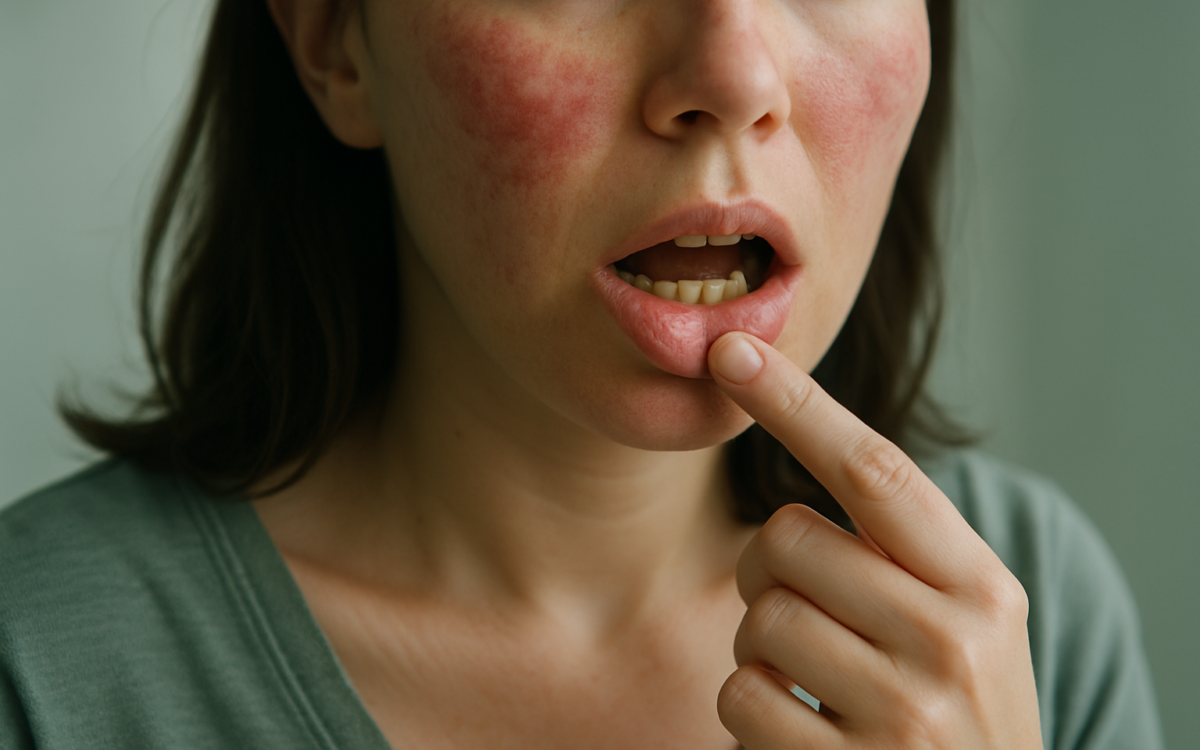
Lupus is a complex autoimmune disease that can affect various parts of the body, including the skin and mouth. For many, the visibility of a lupus rash is a prominent symptom, while painful mouth sores can also significantly impact daily life. Understanding these symptoms is essential for managing the condition effectively.
What is Lupus?
Lupus is an autoimmune disorder where the immune system mistakenly attacks healthy tissues. It predominantly affects women aged 15 to 44, although it can occur in any demographic. This condition can cause inflammation, pain, and damage in various body systems, including joints, skin, kidneys, heart, and the lungs.
Types of Lupus
There are several types of lupus, the most common being systemic lupus erythematosus (SLE). Other forms include:
- Cutaneous lupus erythematosus: Primarily impacts the skin.
- Discoid lupus: Causes round, red patches on the skin.
- Drug-induced lupus: Triggered by certain medications.
- Neonatal lupus: Affects newborns and is associated with mothers who have lupus.
Lupus Rash: Symptoms and Appearance
A lupus rash can take various forms, though one of the most recognizable is the butterfly rash, which appears across the cheeks and nose. It’s often an inflamed area that may feel warm to the touch and can appear at any time, particularly during a lupus flare-up. Other skin rashes may develop on other parts of the body, including:
- Raised red areas
- Patches that may be scaly
- Rashes that worsen with sun exposure (photosensitivity)
Mouth Sores and Their Impact
Mouth sores, or oral ulcers, are another prevalent symptom in people with lupus. These sores can make eating, drinking, and speaking uncomfortable. Common characteristics of lupus-related mouth sores include:
- Blue or white lesions on red or inflamed tissue
- Painful when touched, which can affect chewing
- Occasionally occurring in clusters
While these sores can develop anywhere in the mouth, they are often found on the tongue, inner cheeks, and the roof or floor of the mouth.
Triggers and Management
Understanding what triggers lupus flares can help manage symptoms. Common triggers include:
- Sunlight (ultraviolet light)
- Infections
- Stress
- Certain medications
- Hormonal changes
Managing lupus rash and mouth sores often involves a combination of self-care strategies and medical interventions. For the rash, topical treatments like corticosteroids may be prescribed, while mouth sores may require mouth rinses or topical medications. Staying hydrated, using a gentle toothpaste, and avoiding spicy or acidic foods can help minimize discomfort from mouth ulcers.
Communicating with Healthcare Providers
It’s vital to have open communication with your healthcare provider regarding your symptoms. Regular check-ups allow for adjustments in treatment plans and provide support in managing flares. By sharing experiences about rashes and mouth sores, patients can receive tailored advice and treatment options suited to their unique conditions.
Coping Strategies
Living with lupus can be challenging, but implementing some coping strategies can improve quality of life:
- Keep a journal: Documenting symptoms and triggers can help identify patterns over time.
- Join a support group: Connecting with others who have lupus can provide insight and emotional support.
- Practice stress management: Techniques such as mindfulness, yoga, or regular exercise can help relieve tension.
- Educate yourself: Understanding lupus better will equip you to handle your condition actively.
When to See a Doctor
If you notice new or worsening rashes or mouth sores, it is essential to consult your healthcare provider. Sudden changes or an increase in frequency should also prompt a medical visit.
Conclusion
Lupus rash and mouth sores are significant aspects of this complex autoimmune disease. Understanding these symptoms, their triggers, and effective coping strategies can empower patients to manage their condition better. By working closely with healthcare providers and actively participating in self-care, individuals with lupus can improve their quality of life.
