
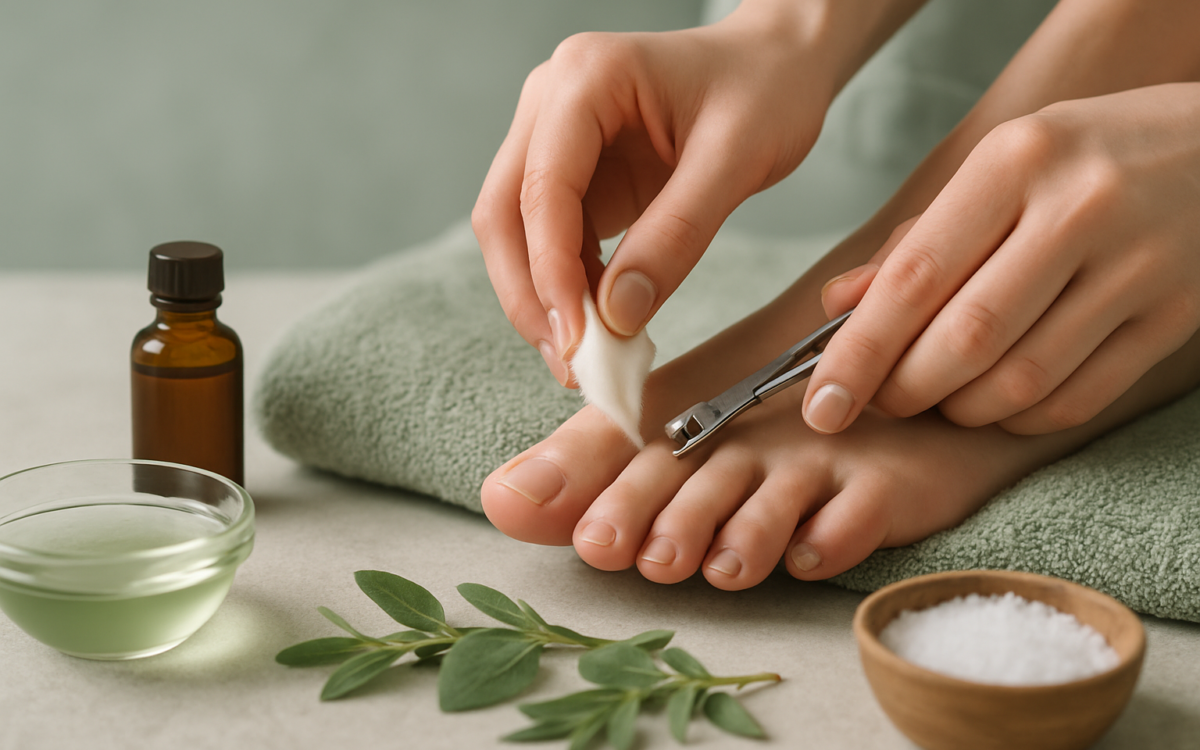
Ingrown toenails can be both painful and frustrating. They occur when the edges of a toenail grow into the surrounding skin, leading to swelling, redness, and even infection. While medical treatment is sometimes necessary, many people find relief through simple home remedies. If you’re seeking a gentler approach to manage your discomfort, this guide offers practical solutions that you can try at home.
Understanding Ingrown Toenails
Before diving into remedies, it’s essential to understand what causes ingrown toenails. Several factors contribute to this condition:
- Improper nail trimming: Cutting nails too short or rounding the edges can promote ingrowth.
- Footwear choices: Tight shoes or narrow toe boxes can compress the toes and lead to problems.
- Genetics: Some individuals are more prone to developing ingrown toenails due to the shape of their nails.
- Injury: Trauma to the toe can cause nails to grow incorrectly.
Understanding these factors can help you take preventative steps while addressing existing issues.
Epsom Salt Soaks
One of the most popular home remedies for ingrown toenails is soaking your foot in warm water mixed with Epsom salt. Epsom salt can reduce swelling and alleviate discomfort.
How to do it: Fill a basin with warm water and add about half a cup of Epsom salt. Soak your foot for 15-20 minutes, several times a day. This can help soften the skin around the nail and reduce inflammation.
Warm Compresses
Applying a warm compress can also provide relief. The heat helps increase blood flow and can promote healing.
Steps to take:
- Soak a clean cloth in warm water.
- Wring out the excess water and place the cloth gently over the affected toe.
- Leave it on for 15-20 minutes.
Repeat this several times a day to help alleviate pain and reduce swelling.
Natural Antiseptics
If your ingrown toenail is showing signs of infection, natural antiseptics may help prevent further complications. Two popular options are tea tree oil and apple cider vinegar.
Tea Tree Oil
Tea tree oil is known for its antiseptic properties. Mixing a few drops with a carrier oil, such as coconut oil, can help protect the area from infection.
Apple Cider Vinegar
Apple cider vinegar has been traditionally used for its antimicrobial properties. Dilute it with equal parts water and soak a cotton ball in the solution. Apply it to the toe, securing it with a bandage. As with any remedy, monitor for any adverse reactions.
Proper Footwear Choices
Choosing the right footwear can be crucial in preventing ingrown toenails from recurring. Here are some tips:
- Opt for shoes that offer enough room in the toe box.
- Avoid high heels and narrow shoes that compress the toes.
- Consider wearing sandals or open-toed shoes while your toe is healing.
Taking care of your foot gear can make a significant difference in toe health.
Preventive Measures
To prevent ingrown toenails from forming in the first place, consider these strategies:
- Regularly trim nails straight across to avoid creating sharp edges.
- Keep your feet clean and dry, particularly between the toes.
- Consider periodic foot baths to maintain hygiene and to soften nails.
Taking these simple steps can help reduce your risk of developing ingrown toenails in the future.
When to See a Doctor
While home remedies are effective for many, certain situations warrant a professional evaluation. You should see a doctor if:
- The pain worsens or persists despite home care.
- There is increased redness, swelling, or discharge, indicating possible infection.
- You have diabetes or another condition that affects circulation or healing.
In such cases, a healthcare provider can assess your situation and recommend appropriate treatment options, such as proper nail care or mild surgical interventions.
Conclusion
Ingrown toenails can be uncomfortable, but several home remedies can provide relief and prevent future occurrences. By practicing good foot hygiene, choosing appropriate footwear, and utilizing simple treatments like Epsom salt soaks and warm compresses, you can manage discomfort effectively. However, always consult with a healthcare provider if symptoms escalate or do not improve, ensuring your foot health remains a priority.
