
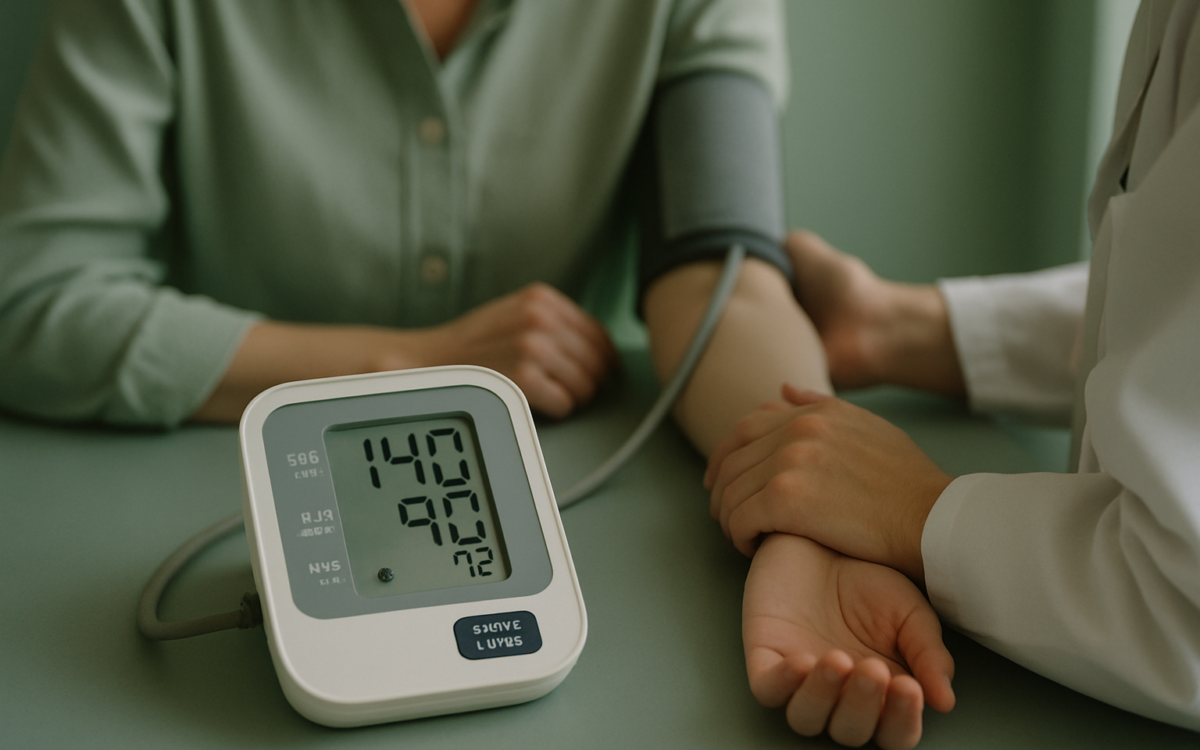
When it comes to your health, few numbers are as important as your blood pressure. When your blood pressure reads 140 over 90 millimeters of mercury, it signals a condition that warrants your attention. Understanding what this reading means for your health can empower you to make informed choices. Let’s dive into blood pressure readings and their implications.
What Is Blood Pressure?
Blood pressure measures the force of your blood pushing against the walls of your arteries. It is expressed in two numbers:
- Systolic pressure: The first number, which measures pressure during a heartbeat.
- Diastolic pressure: The second number, which measures pressure when your heart is at rest between beats.
A reading of 140/90 means your systolic pressure is 140 mm Hg, and your diastolic pressure is 90 mm Hg. Understanding whether this reading is considered normal, elevated, or indicative of hypertension is crucial for your overall well-being.
Blood Pressure Categories
According to the American Heart Association (AHA), blood pressure is categorized as follows:
- Normal</: Less than 120/80 mm Hg
- Elevated: Systolic between 120-129 and diastolic less than 80
- Hypertension Stage 1: Systolic between 130-139 or diastolic between 80-89
- Hypertension Stage 2: Systolic 140 or higher or diastolic 90 or higher
- Hypertensive Crisis: Systolic higher than 180 or diastolic higher than 120
A reading of 140/90 falls into the category of hypertension Stage 2, which signifies that immediate action may be needed to manage and lower your blood pressure.
Causes of High Blood Pressure
High blood pressure, or hypertension, can develop due to multiple factors, often interlinked. Common causes include:
- Genetics: Family history of hypertension can increase your risk.
- Diet: A diet high in salt, processed foods, and low in fruits and vegetables can contribute to increased blood pressure.
- Obesity: Extra weight can put additional strain on your heart.
- Lack of Activity: Sedentary habits can lead to weight gain and higher blood pressure.
- Stress: Chronic stress may lead to temporary or sustained spikes in blood pressure.
- Alcohol and Tobacco Use: Excessive consumption of alcohol and smoking can elevate blood pressure levels.
Identifying these factors can be the first step in managing your blood pressure and improving your health.
Managing and Treating Blood Pressure
When faced with a 140/90 blood pressure reading, lifestyle changes are often the first step in management. Here are some effective strategies:
- Healthy Eating: Adopting a heart-healthy diet, such as the DASH (Dietary Approaches to Stop Hypertension) diet, emphasizes fruits, vegetables, whole grains, and lean proteins. Cutting down on sodium can also help.
- Regular Exercise: Engaging in regular physical activity can help lower blood pressure. Aim for at least 150 minutes of moderate aerobic activity each week.
- Weight Management: If you are overweight, losing even a small amount of weight can make a significant difference.
- Limiting Alcohol: Moderation is key. Aim to limit alcohol to one drink a day for women and two drinks a day for men.
- Stress Management: Practices like meditation, yoga, or simple breathing exercises can help you manage stress better.
In some situations, medication may also be recommended. Common classes of blood pressure medications include:
- ACE Inhibitors
- Calcium Channel Blockers
- Beta-Blockers
- Diuretics
It’s vital to consult with a healthcare provider to determine the most appropriate treatment plan for your individual needs. Additionally, those seeking international therapy options might find resources at acibademinternational.com useful for exploring treatments abroad.
The Importance of Monitoring Blood Pressure
Monitoring your blood pressure regularly can help you keep track of your health. Here are some tips for effective monitoring:
- Regular Check-Ups: Schedule regular visits with your healthcare provider for blood pressure checks.
- Home Monitoring: Consider investing in a blood pressure monitor for home use. Make sure to follow the instructions for accurate readings.
- Keep a Log: Document your blood pressure readings to help your doctor gauge the effectiveness of your treatment.
When to See a Doctor
If your blood pressure reading is consistently at 140/90 or higher, it’s important to consult your healthcare provider. They can provide you with a comprehensive assessment and tailor a treatment plan based on your needs. Seek immediate medical attention if you experience symptoms like severe headaches, chest pain, breathing difficulties, or vision problems.
Conclusion
A blood pressure reading of 140/90 is a signal that should not be ignored. With the right knowledge and actions, you can take control of your heart health. Understanding what this reading means, the potential causes, and ways to manage it are key steps towards a healthier you. Be proactive, partner with your healthcare provider, and embrace lifestyle changes to help lower your blood pressure.
