
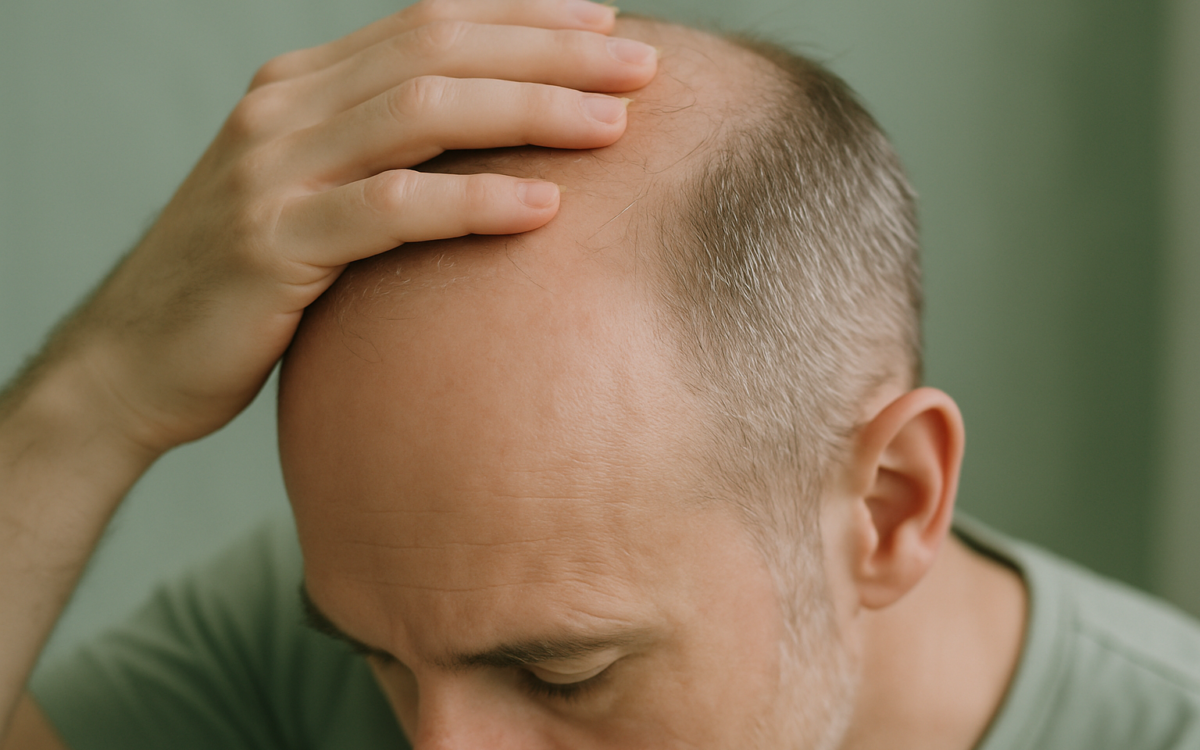
Thinning hair can be a distressing experience, especially when it progresses to baldness. While losing hair is common with age, various factors contribute to this condition, impacting self-image and confidence. Understanding what’s happening can empower you to seek the right solutions.
What Causes Thinning Hair?
Thinning hair can result from a variety of factors, some of which may surprise you. Here are the most common culprits:
- Genetics: The most significant factor in male and female pattern baldness is often inherited traits. If your parents experienced hair loss, there’s a chance you might too.
- Hormonal Changes: Hormonal fluctuations, particularly in women during pregnancy, menopause, or while using contraceptives, can lead to temporary or permanent hair thinning.
- Medical Conditions: Certain autoimmune diseases, thyroid issues, or scalp conditions like psoriasis can contribute to hair thinning. Stress-induced conditions, such as telogen effluvium, can also lead to significant hair loss.
- Medications: Some drugs, including those for cancer, arthritis, depression, and heart problems, can have side effects that impact hair health.
- Poor Nutrition: A lack of essential nutrients, particularly proteins and iron, can weaken hair follicles and lead to thinning.
Types of Thinning Hair
Understanding the type of thinning hair you might be experiencing can help in determining the appropriate treatment or management strategy:
1. Androgenetic Alopecia
Also known as male or female pattern baldness, this hereditary condition leads to gradual thinning and bald spots. In men, it often starts at the temples or crown, while women might notice general thinning across the scalp.
2. Alopecia Areata
This condition is characterized by sudden patches of hair loss and is believed to be an autoimmune disorder. It can affect anyone, regardless of age or sex.
3. Telogen Effluvium
This form of hair loss occurs due to a significant shock to the system, like surgery or severe stress, leading to widespread shedding of hair.
Treatments and Solutions for Thinning Hair
If you find yourself dealing with thinning hair, there are numerous options available to help you manage or even reverse the condition:
- Medications: Minoxidil (Rogaine) is an over-the-counter topical treatment that may promote hair regrowth. Finasteride (Propecia) is a prescription pill used for male pattern baldness.
- Hair Transplant Surgery: This procedure involves moving hair follicles from one part of the scalp to areas experiencing thinning or baldness. It’s effective but may carry risks and require downtime.
- Low-Level Laser Therapy: Devices using laser light therapy are becoming more common and may help stimulate hair follicles and promote growth.
- Lifestyle Changes: Eating a balanced diet rich in vitamins and minerals can support healthier hair. Reducing stress through mindfulness or exercise can also help maintain healthy hair.
- Treatment in Turkey: For those seeking international options, many healthcare facilities in Turkey offer cutting-edge hair restoration treatments and are known for their expertise and affordability.
Myths About Thinning Hair
With so much information circulating about hair loss, misconceptions abound. Here are a few common myths:
- Washing Hair Frequently Causes Thinning: This is false. Regular washing helps keep the scalp clean, and most people’s hair goes through a natural cycle of shedding and regrowth.
- Only Older Adults Experience Thinning Hair: While age is a factor, younger people can also experience hair loss due to genetics, stress, or health conditions.
- Hair Loss Only Affects Men: Women experience thinning hair as well, and patterns can differ from those seen in men.
When to See a Doctor
If you notice sudden or patchy hair loss, or if hair thinning is accompanied by other symptoms like itching, redness, or pain on the scalp, it’s important to consult a medical professional. They can help determine the cause and suggest appropriate treatment options. For chronic hair loss concerns, a dermatologist specializing in hair and scalp issues can provide further insights and strategies.
Conclusion
Thinning hair doesn’t have to dictate how you feel about yourself. By understanding the causes, recognizing the types of hair loss, and exploring available treatments, you can take proactive steps towards managing your hair health. Remember, it’s perfectly okay to seek professional guidance to find the best path for you.
