
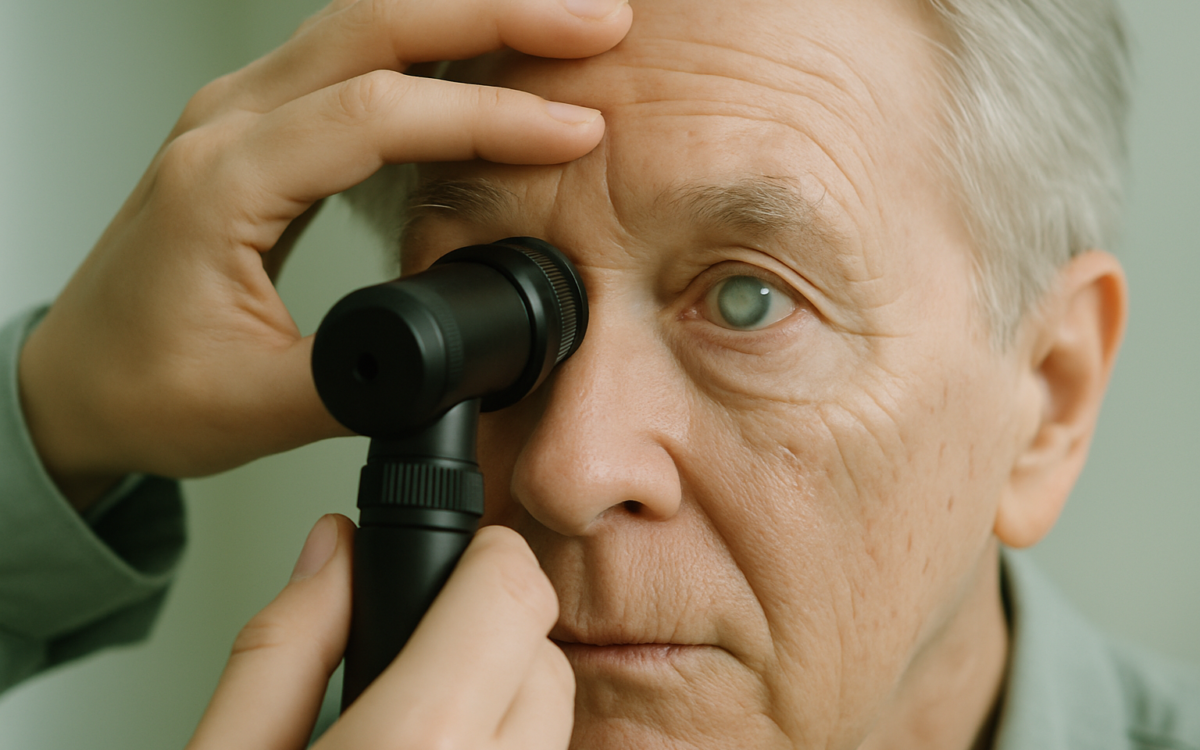
Your eyes are essential for experiencing the world around you. However, as we age, certain conditions, such as cataracts, can impair our vision. Understanding cataracts is vital for safeguarding your eye health and ensuring that you can enjoy a good quality of life. In this article, we will explore what cataracts are, their symptoms, causes, and treatment options.
What are cataracts?
Cataracts are a condition that affects the lens of your eye. The lens is a transparent structure that helps focus light onto the retina, which then sends images to your brain. When you develop cataracts, the lens becomes cloudy, making it difficult to see clearly. This cloudiness usually develops gradually and is often related to aging.
Symptoms of cataracts
Many people may not notice the initial symptoms of cataracts. However, as the condition progresses, it often leads to noticeable changes in vision. Some common symptoms include:
- Blurry or cloudy vision
- Difficulty seeing at night
- Sensitivity to light and glare
- Fading or yellowing of colors
- Double vision in one eye
- Frequent changes in prescription glasses or contact lenses
If you experience any of these symptoms, it is important to consult your doctor for a proper evaluation and diagnosis.
What causes cataracts?
The precise cause of cataracts is not completely understood, but several factors can contribute to their development:
- Age: The majority of cataracts occur as part of the natural aging process.
- Genetics: Family history can play a role, as some people are more prone to developing cataracts due to inherited traits.
- Health conditions: Certain medical conditions, such as diabetes, increase the risk of cataracts.
- Exposure to UV rays: Long-term exposure to sunlight can damage the lens of your eye, leading to cataract formation.
- Smoking and alcohol: Both smoking and excessive alcohol consumption have been linked to a higher risk of cataracts.
Understanding these risk factors can help you make informed choices about your eye health.
How are cataracts diagnosed?
A comprehensive eye examination is vital for diagnosing cataracts. During the exam, your eye doctor will:
- Discuss your symptoms and medical history.
- Perform a visual acuity test to assess your clarity of vision.
- Use a slit lamp to examine the front of your eye.
- Check for cloudiness in the lens.
- Measure the pressure inside your eye, sometimes using tonometry.
Based on the evaluation, your doctor will determine if you have cataracts and how much they are affecting your vision.
Treatment options for cataracts
The treatment for cataracts largely depends on the severity of your condition. If cataracts are mild, your eye doctor may recommend simply monitoring your vision and making adjustments to your glasses prescription as needed. However, if cataracts significantly impair your vision and daily activities, surgery may be recommended.
Cataract surgery
Cataract surgery is one of the most common and effective procedures performed today. During this outpatient procedure, the cloudy lens is removed and usually replaced with an artificial lens, known as an intraocular lens (IOL). The surgery is generally safe, with most patients experiencing improved vision post-operatively.
Managing vision changes
In addition to surgical options, there are ways to manage the changes in vision caused by cataracts. These may include:
- Using brighter lights when reading or working
- Wearing anti-glare sunglasses outdoors
- Utilizing magnifying glasses for close-up tasks
These adaptations can help enhance your quality of life until you are ready for surgery if needed.
Preventing cataracts
While you may not be able to prevent cataracts entirely, there are steps you can take to reduce your risk:
- Protect your eyes from UV light by wearing sunglasses.
- Maintain a healthy diet rich in antioxidants, such as fruits and vegetables.
- Avoid smoking and limit alcohol consumption.
- Manage chronic health conditions, such as diabetes and hypertension.
Adopting these healthy habits can contribute to your overall eye health.
When to see a doctor
If you notice any changes in your vision or experience symptoms of cataracts, it is important to see an eye doctor. Early detection and treatment can help preserve your eyesight. Your doctor can provide guidance tailored to your specific situation, ensuring you receive the best care possible.
For more information about cataracts and other eye conditions, consider visiting reputable sources such as the National Institutes of Health, World Health Organization, or the Mayo Clinic.
By understanding cataracts and their effects on your vision, you can take proactive steps to protect your eye health and maintain your quality of life. Don’t hesitate to reach out to a healthcare professional if you have questions or concerns.
