
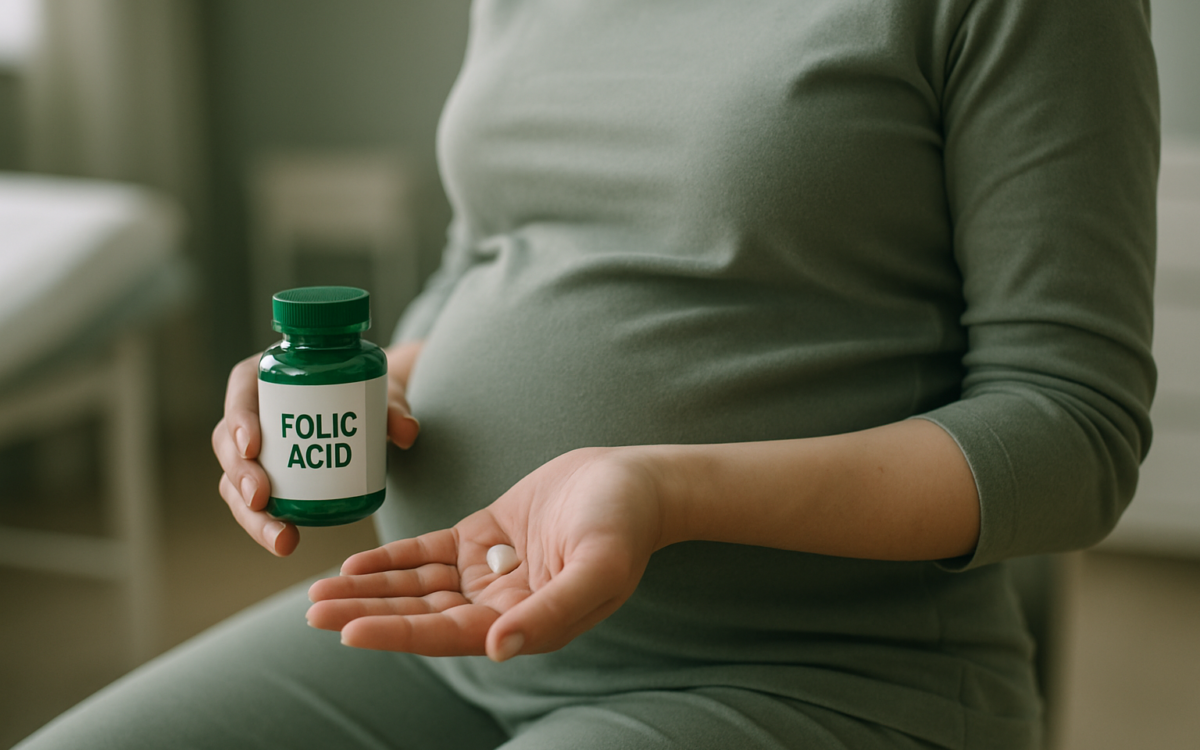
Pregnancy is an exciting yet challenging journey for many women. Among the multitude of considerations during this time, the role of vitamins and minerals becomes crucial. Folic acid—a B vitamin—stands out as one of the most important nutrients for pregnant women. It is essential for the healthy development of the fetus and helps prevent serious birth defects.
What is Folic Acid?
Folic acid, also known as Vitamin B9, is a synthetic form of folate. Folate is naturally found in many foods, including leafy greens, beans, legumes, and fortified cereals. This vitamin plays a crucial role in DNA synthesis and repair, cell division, and overall growth. For pregnant women, having adequate levels of folic acid is particularly vital, as it supports the rapid cell division that occurs during fetal development.
Why is Folic Acid Important in Pregnancy?
The significance of folic acid during pregnancy cannot be overstated. It helps reduce the risk of neural tube defects (NTDs) in the developing fetus. NTDs are serious birth defects that affect the spine and brain. Conditions like spina bifida and anencephaly can occur when the neural tube does not close properly. Research indicates that taking folic acid before conception and during early pregnancy can lower the risk of NTDs by up to 70% (NIH).
Recommended Dosage of Folic Acid
The recommended daily allowance (RDA) of folic acid for pregnant women is 600 micrograms (mcg). Women who are planning to become pregnant are advised to start taking folic acid supplements at least one month before conception and continue throughout pregnancy. Additionally, women with a history of NTDs in previous pregnancies may be advised to take a higher dose of folic acid—up to 4,000 mcg (CDC).
Food Sources of Folic Acid
Incorporating folate-rich foods into your diet can help meet your nutritional needs during pregnancy. Here are some excellent sources of folic acid:
- Leafy green vegetables (such as spinach and kale)
- Citrus fruits (oranges, lemons, and grapefruits)
- Beans and lentils
- Peas
- Avocado
- Fortified cereals and grains
While getting folate from food is important, it may not always provide enough to meet the increased needs during pregnancy. Therefore, a prenatally prescribed supplement is often recommended.
Potential Risks of Low Folic Acid Levels
Insufficient folic acid intake can lead to various complications. Aside from the risk of NTDs, low folic acid levels are also associated with other issues such as:
- Low birth weight
- Preterm delivery
- Placental abruption
Additionally, inadequate folic acid can result in maternal health issues, including anemia. Ensuring proper intake can, therefore, positively affect both mother and baby.
When to See a Doctor
If you’re pregnant or planning to become pregnant, consult your healthcare provider about your folic acid intake. Make sure to discuss any specific health concerns or dietary restrictions. A healthcare professional can recommend appropriate dosages tailored to your individual needs and ensure that you are meeting your nutritional requirements.
Conclusion
Folic acid is a crucial nutrient for pregnant women that supports fetal growth and prevents serious birth defects. Prioritizing folic acid intake through diet and supplementation can help ensure a healthy pregnancy experience. Remember to consult your healthcare provider for tailored recommendations and stay informed about your nutritional health during this critical time.
