
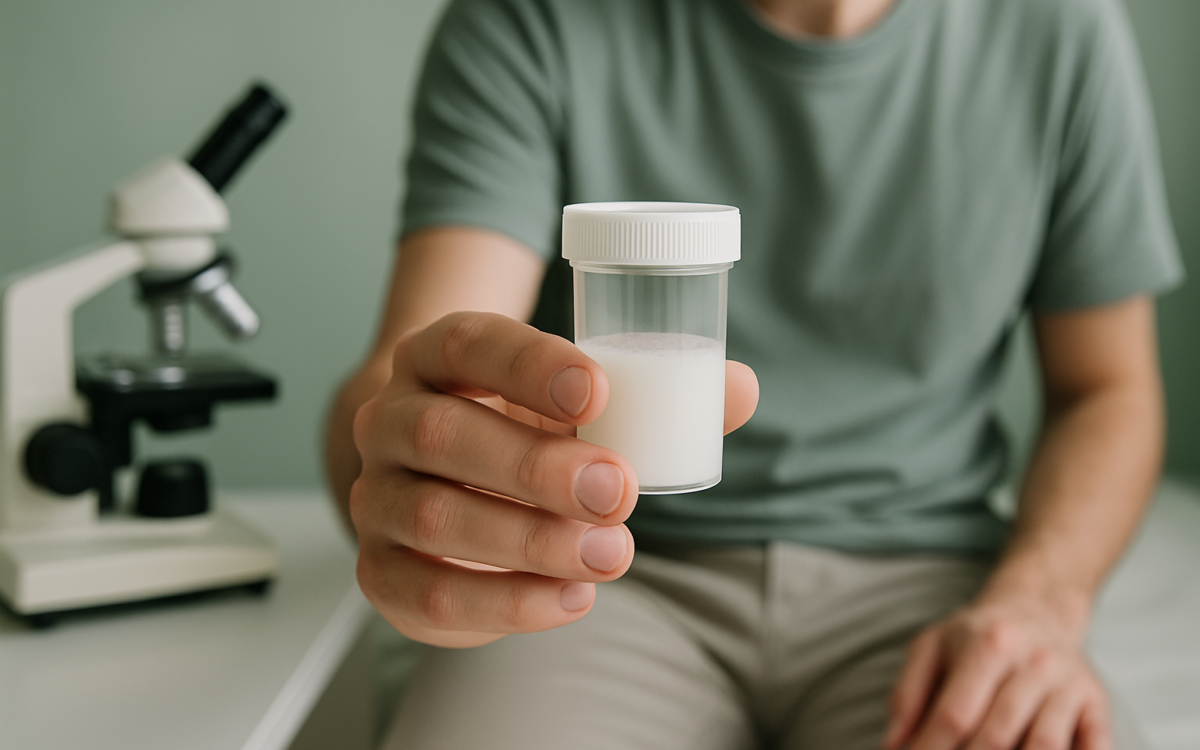
When it comes to starting a family, the focus often tends to be on the female partner. However, sperm health plays an essential role in conception. Understanding what healthy sperm looks like can empower men and couples in their journey toward parenthood. This article will explore the characteristics of healthy sperm, how sperm quality is evaluated, and what factors can influence sperm health.
What is Healthy Sperm?
Healthy sperm are essential for successful fertilization. They need to meet certain criteria, which can include
- Count: A healthy sperm count generally ranges from 15 million to over 200 million sperm per milliliter of semen.
- Mobility: At least 40% of sperm should be motile, meaning they can move effectively.
- Morphology: The shape and structure of the sperm should be normal. A high percentage of sperm should have an oval head and a long tail.
- Volume: A typical ejaculation should contain at least 1.5 milliliters of semen.
These factors together help determine the overall health and viability of sperm.
Importance of Sperm Quality
The quality of sperm is a significant factor in male fertility. Poor sperm quality can lead to challenges in conception. According to the World Health Organization (WHO), infertility affects about 15% of couples worldwide, and male factors contribute to about half of those cases. Understanding and monitoring sperm health can help individuals and couples take proactive steps toward improving fertility.
How is Sperm Quality Evaluated?
Sperm quality is typically assessed through a semen analysis, which is a laboratory test that evaluates several parameters of the sperm. The analysis generally looks at:
- Seminal Fluid Analysis: The consistency and volume of the seminal fluid.
- Sperm Count: The total number of sperm present.
- Motility: The percentage of moving sperm.
- Morphology: The shape and form of sperm under a microscope.
A healthcare provider often recommends a semen analysis if a couple experiences difficulties conceiving after a year of trying (or six months for women over 35).
What Do Healthy Sperm Look Like?
Visually, healthy sperm can be described as follows:
- Color: Normal semen should be a greyish-white color. It’s important to note that any unusual coloration, such as a yellow or green tint, may be a concern.
- Consistency: Healthy semen should be somewhat thick but should liquefy within 15-30 minutes after ejaculation.
- Smell: A normal odor is slightly sweet or musty. A foul or very strong odor could indicate an infection.
Appearance can be a good indicator of overall health, but tests are essential for a precise evaluation.
Factors Affecting Sperm Health
Various lifestyle factors can impact sperm quality:
- Nutrition: A balanced diet rich in fruits, vegetables, whole grains, and lean proteins can improve overall health, including sperm health.
- Exercise: Regular physical activity has been linked to better sperm quality. Aim for at least 30 minutes of moderate exercise most days.
- Weight: Maintaining a healthy weight can prevent hormonal imbalances that may negatively affect sperm production.
- Substance Use: Alcohol, tobacco, and recreational drugs can decrease sperm quality. Limiting or avoiding these substances is advisable.
- Heat Exposure: Avoiding excessive heat exposure to the testicles, like hot tubs and saunas, can help maintain optimal sperm production.
Understanding these factors allows men to take proactive steps to enhance sperm health.
Common Myths About Sperm Health
There are many misconceptions about sperm health that can create confusion:
- Myth: Only Older Men Experience Poor Sperm Quality. Fact: While age can affect sperm health, younger men can also experience poor sperm quality due to lifestyle factors.
- Myth: Frequent Ejaculation Reduces Sperm Quality. Fact: Regular ejaculation does not harm sperm quality; in fact, it may improve it.
- Myth: All Men are Fertile. Fact: Male fertility varies widely, and many factors can impact a man’s ability to conceive.
Addressing these myths can help safeguard reproductive health and encourage men to seek guidance if they have concerns.
When to See a Doctor
If you’re worried about your sperm health, several signs may indicate it’s time to consult a healthcare professional:
- You’ve been trying to conceive for more than a year without success.
- You experience issues such as erectile dysfunction or changes in libido.
- You notice physical changes such as testicular swelling or pain.
- You have a history of testicular issues, such as undescended testicles or prior surgeries.
Consulting a doctor can help identify any underlying issues and guide you toward potential solutions.
Understanding what healthy sperm looks like is not just a detail for biology class; it’s a vital part of reproductive health and family planning. With knowledge and lifestyle adjustments, men can improve their sperm health, paving the way for success in their family-building journey.
