
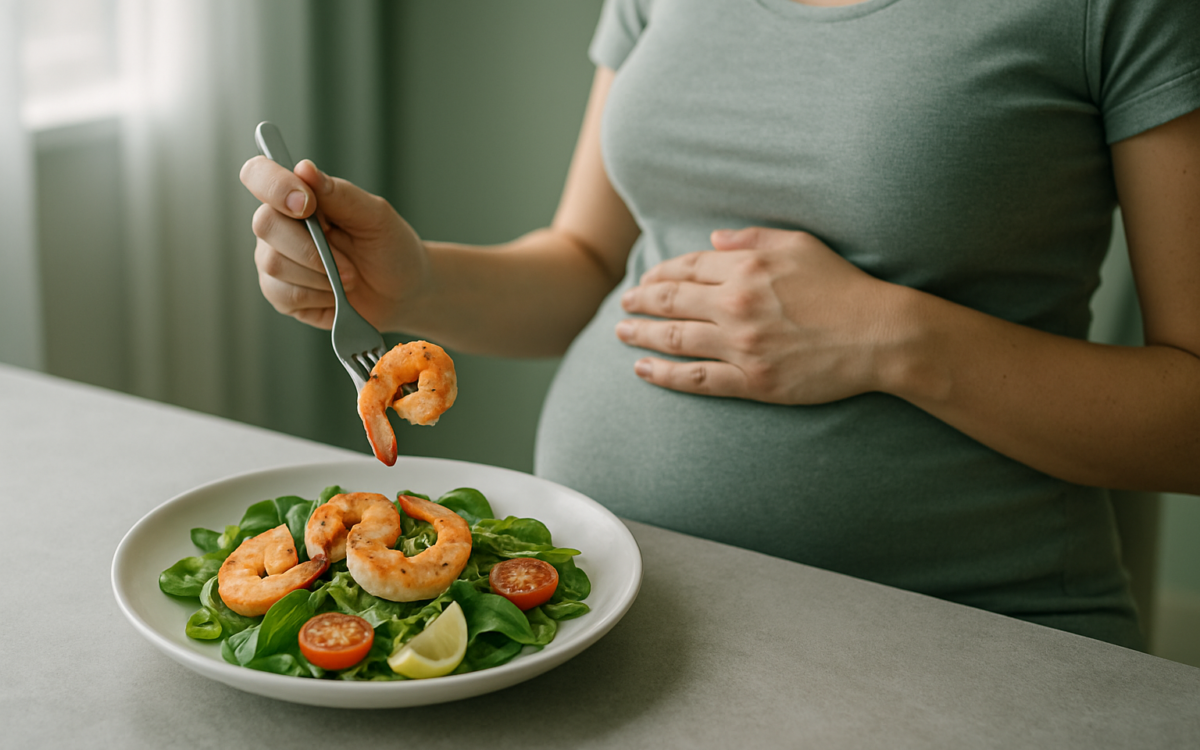
Pregnancy is both an exciting and challenging time, with many questions about what to eat and what to avoid for the health of your growing baby. Among the multitude of foods under scrutiny, seafood often raises eyebrows. Shrimp, in particular, is popular for its versatility and flavor, but many expectant mothers might wonder: Can you eat shrimp when you are pregnant?
Understanding the benefits of shrimp
Shrimp is a low-calorie source of protein that is rich in essential nutrients. For pregnant women, maintaining a healthy diet is crucial, as it supports both maternal health and fetal development. Here are some of the benefits of including shrimp in your diet:
- High-quality protein: Protein supports the formation of tissues and cells in both the mother and baby.
- Omega-3 fatty acids: These healthy fats are known to promote brain and eye development in infants.
- Vitamins and minerals: Shrimp is a good source of selenium, vitamin B12, and iodine, all of which are vital during pregnancy.
Potential risks of eating shrimp during pregnancy
While shrimp offers nutritional advantages, it also comes with concerns. As seafood, shrimp can be susceptible to contamination. Here are some potential risks:
- Mercury exposure: Luckily, shrimp is one of the seafood options that is lower in mercury compared to larger fish like shark and swordfish. However, it is still important to monitor overall seafood consumption.
- Foodborne illness: Raw or undercooked seafood can lead to infections that may pose risks during pregnancy. It is essential to ensure shrimp is cooked thoroughly before consuming.
- Allergic reactions: Shellfish allergies are common, and if you have a known allergy to shrimp or other shellfish, it’s best to avoid it entirely.
Guidelines for consuming shrimp while pregnant
To safely enjoy shrimp during your pregnancy, consider these practical guidelines:
1. Choose cooked shrimp
Always opt for thoroughly cooked shrimp. This minimizes the risk of foodborne illnesses, which can be particularly harmful during pregnancy.
2. Limit portion sizes
Moderation is key. While shrimp is nutritious, it’s advisable to limit your intake to about 8-12 ounces per week, in line with general seafood recommendations for pregnant women. This helps balance the benefits while reducing the risk of contaminants.
3. Select reputable sources
Purchase shrimp from trusted suppliers to ensure quality and safety. Check for labels that indicate the shrimp has been farmed or sourced responsibly.
4. Stay informed about the types of shrimp
Not all shrimp are equal. Wild-caught shrimp is often considered a preferable option as it may contain fewer additives compared to some farmed varieties. Knowing the source can impact nutritional value and safety.
Navigating seafood choices: More than just shrimp
While shrimp can be enjoyed during pregnancy, it’s important to remember that it’s just one part of a diverse diet. Incorporating various other fish and seafood options can provide additional health benefits. The CDC recommends seafood that is low in mercury, including salmon, tilapia, and sardines, which can be excellent choices alongside shrimp.
Consulting health professionals
Always consult with your healthcare provider regarding your diet during pregnancy. They can guide you based on your personal health needs and any potential medical conditions that might affect your dietary choices.
When to see a doctor
If you experience symptoms such as nausea, vomiting, or digestive issues after consuming shrimp or any seafood, or if you have concerns about allergies, it’s essential to seek medical advice. Your healthcare provider can evaluate your symptoms and advise you on next steps.
In conclusion, shrimp can be a nutritious addition to your pregnancy diet when prepared and consumed safely. By following proper guidelines and staying informed, you can enjoy the flavors and benefits of shrimp while caring for your health and your baby’s development.
