
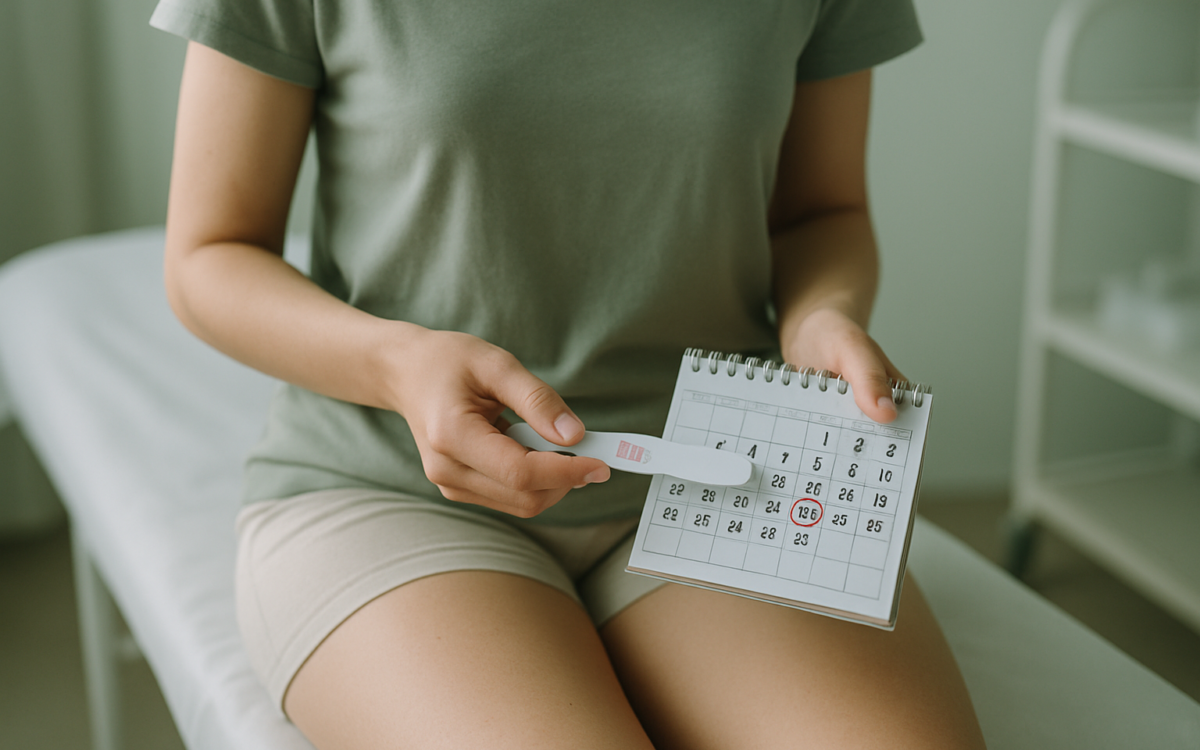
A 2-day overdue period can bring up a mix of emotions and questions. Perhaps you’re feeling hope, worry, or even confusion. While a missed period can be a common experience for many women, understanding the reasons behind it can help you navigate this time more easily. In this article, we’ll explore the potential reasons for a delayed period, tips for tracking your cycle, and what steps you might want to consider.
What Causes a Delayed Period?
A woman’s menstrual cycle can vary significantly due to a multitude of factors. Here are some common reasons why you might find yourself two days overdue:
- Pregnancy: One of the most obvious reasons for a delayed period is pregnancy. If you’re sexually active and miss your period, consider taking a pregnancy test for confirmation.
- Stress: Physical or emotional stress can have a significant impact on your menstrual cycle. Stress affects hormone levels that regulate your cycle, potentially leading to delays.
- Changes in Weight: Sudden weight gain or loss can affect your body’s hormone balance, leading to missed or irregular periods.
- Hormonal Imbalances: Conditions such as polycystic ovary syndrome (PCOS) or thyroid disorders can cause disruptions in your menstrual cycle.
- Exercise: High levels of physical activity can also lead to missed periods. Athletes or those who engage in intense workouts may experience changes in their cycles.
- Age: If you’re approaching menopause, your body may start to experience irregular cycles due to hormonal changes.
Recognizing the Signs of Pregnancy
For many women, a missed period raises the possibility of pregnancy. If you’re wondering about this possibility, you might want to watch for other early signs of pregnancy. These include:
- Nausea or vomiting
- Breast tenderness or swelling
- Increased urination
- Fatigue
- Unexpected mood swings
If you notice any of these symptoms along with your overdue period, it may be a good idea to take a home pregnancy test or consult with a healthcare provider. For further information about pregnancy testing, you can visit the CDC’s pregnancy planning page.
How to Track Your Cycle
Keeping track of your menstrual cycle can help you identify patterns over time. Here are a few simple ways to do so:
- Calendar Method: Mark the first day of your period on a calendar and calculate the average length of your cycle over several months.
- Apps: Consider using a menstrual tracking app that can make tracking easier. Many apps can help you log your symptoms and predict future periods.
- Symptoms Log: Pay attention to physical signs or symptoms such as cramps, mood changes, and breast tenderness.
Being aware of your cycle can help you understand when your period is due and what may be affecting it.
When Stress or Lifestyle Changes Impact Your Cycle
As previously mentioned, stress and significant lifestyle changes can impact your menstrual cycle. Here are some tips to help manage stress and maintain your overall well-being:
- Practice Mindfulness: Try relaxation techniques such as meditation or yoga to help alleviate stress.
- Maintain a Healthy Diet: Eating balanced meals with plenty of fruits, vegetables, and lean proteins can provide the nutrients your body needs.
- Engage in Regular Exercise: Moderate exercise can improve your mood and overall health, but avoid over-exercising.
- Get Enough Sleep: Proper rest is crucial in helping your body cope with stress and hormonal regulation.
Staying healthy and managing stress can help regulate your menstrual cycle.
When to See a Doctor
If you are consistently experiencing delayed periods or if your period is more than a week overdue, it may be time to consult a healthcare provider. Other reasons to seek medical advice include:
- Severe pain or discomfort
- Heavy bleeding or unusual discharge
- Difficulty conceiving if you’re trying to become pregnant
Professional guidance can provide insights and rule out any underlying conditions. You can learn more about menstrual health and when to seek medical advice from the Mayo Clinic.
Conclusion
A 2-day overdue period can stem from various factors ranging from pregnancy to lifestyle changes. Understanding your body and being aware of your menstrual cycle can empower you to make informed decisions. If you’re ever in doubt or concerned about your health, don’t hesitate to reach out to a healthcare provider for further guidance. Remember, your menstrual health is an essential part of your overall well-being.
