
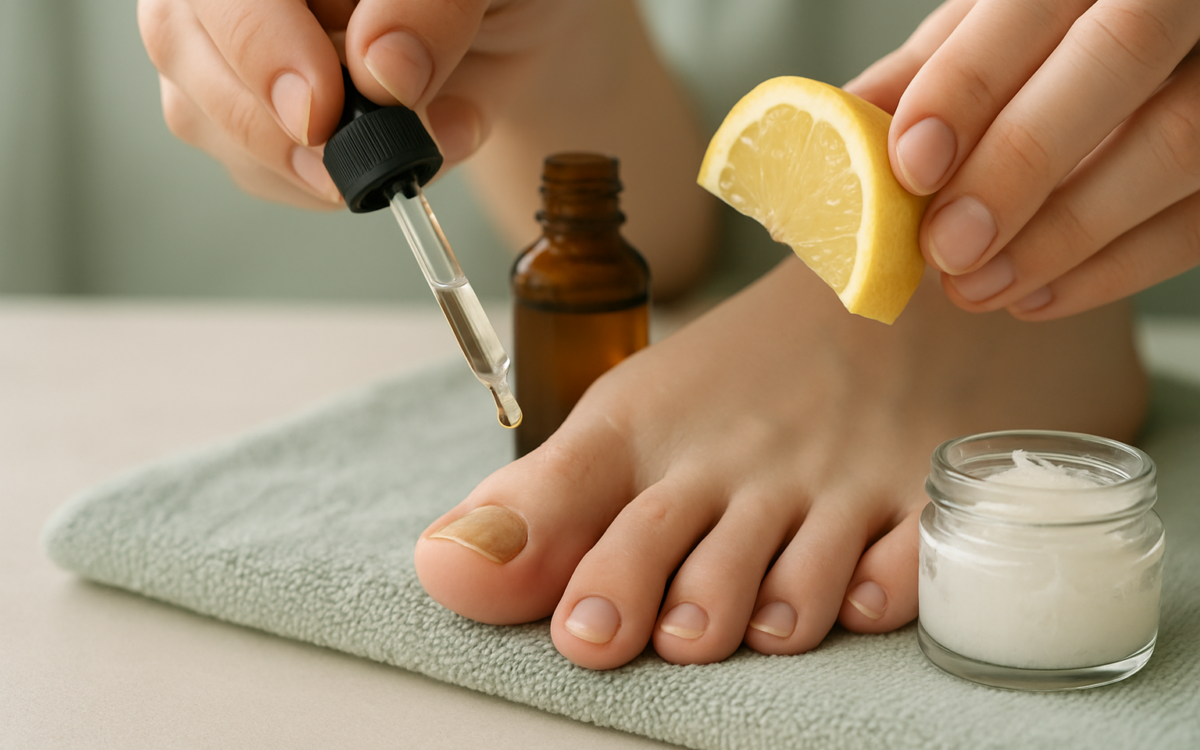
Toenail fungus, or onychomycosis, can be an uncomfortable and sometimes embarrassing condition. It often manifests as discoloration, thickening, or crumbling of the nails. While medical treatments are available, many people seek natural remedies to alleviate toenail fungus quickly from the comfort of home. This article explores some of the most effective home remedies backed by evidence and anecdotes.
Understanding toenail fungus
Toenail fungus occurs when fungi invade the nail bed, thrive in warm and moist environments, and multiply. It can often be spread through communal areas like swimming pools and gyms. Awareness of the condition enables better management and prevents recurrence. Understanding its causes, symptoms, and preventive measures lays the groundwork for treatment options, both medical and natural.
Common home remedies for toenail fungus
1. Tea tree oil
Tea tree oil is a popular essential oil known for its antifungal properties. It may be effective against toenail fungus when applied topically. A study published in the *Journal of Family Practice* showed that this oil could help reduce fungal nail infections. To use it, dilute a few drops with a carrier oil like coconut oil, and apply it to the affected area twice daily.
2. Apple cider vinegar
Apple cider vinegar (ACV) is lauded for its antimicrobial properties. Soaking your feet in a mixture of equal parts ACV and water for about 30 minutes each day can help. According to the Mayo Clinic, the acidity in ACV may create an environment that is hostile to fungi, thereby curbing their growth.
3. Baking soda and vinegar
A combination of baking soda and vinegar can help create an inhospitable environment for fungi. Mix equal parts baking soda with water to form a paste, apply it to your toenails, and let it sit for 10 minutes. Rinse it off, and then soak your feet in vinegar for about 20 minutes. This combination helps neutralize odors and may inhibit fungal growth.
4. Garlic
Garlic is not just a flavorful ingredient; it also possesses antifungal properties. Crushing a few cloves of garlic and applying the paste to the infected toenail can be beneficial. Leave it on for 30 minutes before rinsing it off. Regular application can support the healing process, as indicated by findings in NIH studies.
Alternative methods and lifestyle adjustments
1. Keeping nails trimmed
Keeping your toenails short and trimmed can help prevent the growth of fungi. It minimizes the likelihood of fungi settling under or around the nails. Use sterilized clippers, and consider regular pedicures to maintain nail hygiene.
2. Proper footwear
Choose shoes that allow your feet to breathe. Opt for well-ventilated footwear made from natural materials. Avoid wearing the same pair of shoes daily; give them time to air out.
3. Foot hygiene
Daily foot hygiene is crucial. Wash your feet regularly, dry them thoroughly, especially between the toes, and consider using antifungal powders in your shoes to absorb excess moisture. This proactive approach can significantly reduce the risk of developing fungal infections.
Fundamental principles for effective treatment
Consistency is key in using home remedies. While many of these options show promise, regular application over weeks or months may be necessary for significant results. Keep in mind that everyone’s body is different, so what works for one person may not work for another. Overall, patience and persistence are important in treating toenail fungus.
When to see a doctor
If home remedies do not improve your toenail fungus within a few weeks, or if you experience severe pain, swelling, or redness, it’s essential to consult a healthcare provider. A doctor may prescribe stronger antifungal medications or consider alternative treatment options. For some individuals, particularly those with diabetes, weakened immune systems, or other underlying health conditions, professional medical treatment is crucial to prevent complications.
Conclusion
Toenail fungus can be a stubborn condition, but various home remedies may help you tackle the issue effectively. While treatments like tea tree oil, apple cider vinegar, and garlic show potential, remember to maintain good foot hygiene and lifestyle practices. Always consult a healthcare professional when symptoms persist or worsen to ensure appropriate care.
