
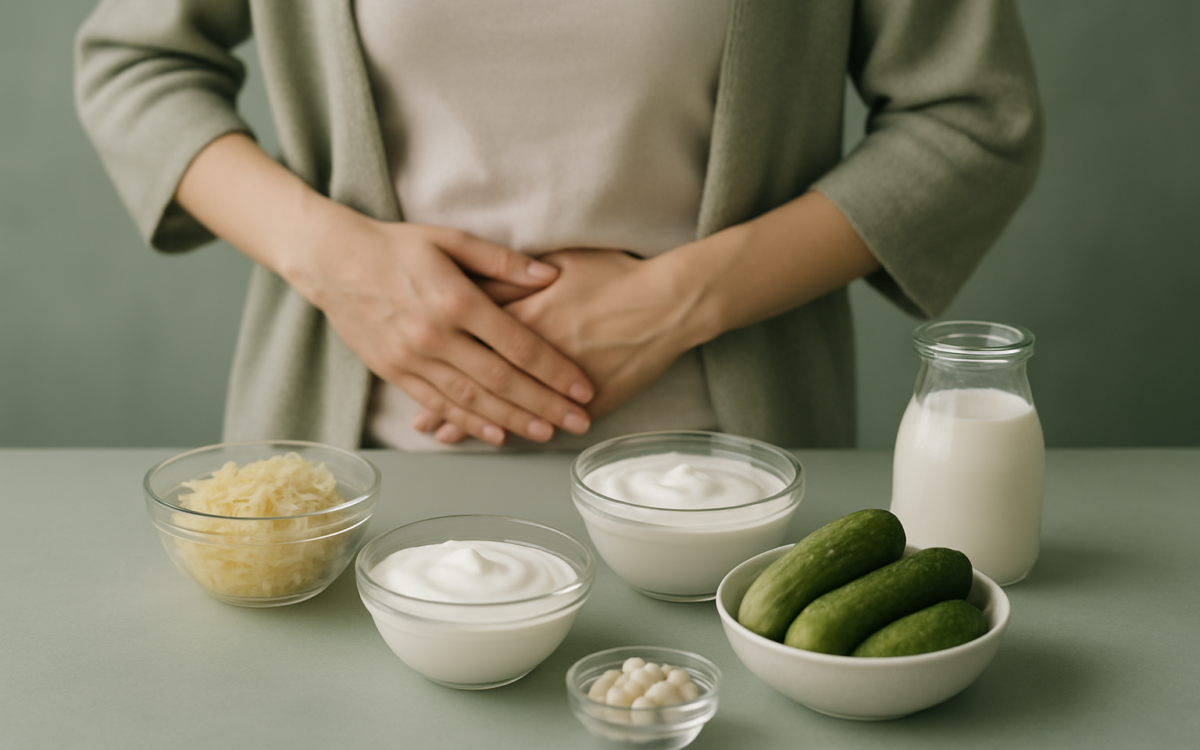
Understanding the connection between diet and vaginal health is essential for many women. While we often hear about how gut health influences our overall well-being, it may come as a surprise that what we eat can also affect vaginal health. One key player in this connection is probiotics—beneficial bacteria found in certain foods.
What Are Probiotics?
Probiotics are live microorganisms that can provide health benefits when consumed in adequate amounts. They are often referred to as ‘good’ bacteria and are known to support the balance of the body’s microbiome, especially in the gut. Research shows that a healthy balance of bacteria not only protects your digestive system but also contributes to overall feminine health, including vaginal health.
How Probiotics Enhance Vaginal Health
The vagina, much like the gut, has a natural microbiome consisting of various bacteria. A dominant strain of Lactobacillus is typically present in a healthy vaginal microbiome. Probiotics can help maintain this balance by:
- Reducing the growth of harmful bacteria and yeast.
- Enhancing the immune response in the vaginal area.
- Supporting the production of lactic acid, which maintains a healthy pH level.
Maintaining a balanced vaginal microbiome can help prevent infections, such as bacterial vaginosis and yeast infections, and promote overall well-being.
Probiotic-Rich Foods to Include in Your Diet
Incorporating probiotic-rich foods into your daily meals can be a delicious and effective way to support vaginal health. Here are some of the most potent sources of probiotics:
1. Yogurt
Plain yogurt, particularly those labeled with ‘live and active cultures,’ is one of the easiest ways to introduce probiotics into your diet. In addition to probiotics, yogurt contains calcium and vitamin D, both of which contribute to overall health.
2. Kefir
Kefir is a fermented milk drink, similar to yogurt but thinner in consistency. It contains a wider variety of probiotic strains, making it a powerhouse for gut and vaginal health. You can enjoy it on its own or add it to smoothies.
3. Sauerkraut
This fermented cabbage dish is not only a staple in many diets worldwide but also a fantastic source of probiotics. Sauerkraut can easily be added to salads, sandwiches, or enjoyed as a side dish.
4. Kimchi
Kimchi is a traditional Korean dish made from fermented vegetables, primarily napa cabbage and radishes. Like sauerkraut, it’s rich in probiotics and can be enjoyed as a condiment or added to stir-fries and soups.
5. Miso
Miso is a Japanese fermented soybean paste that can be used to make miso soup or dressings. It contributes probiotics while also being rich in vitamins and minerals.
6. Tempeh
Tempeh is another fermented soybean product, similar to tofu but with a denser texture. It’s a great source of protein and can be used in various dishes, from stir-fries to salads.
Other Probiotic Sources
While the foods listed above are excellent sources of probiotics, there are also other options to consider:
- Fermented pickles (that use vinegar and brine)
- Fermented soy sauces
- Non-dairy options like coconut yogurt or almond milk yogurt
When choosing probiotic-rich foods, it’s essential to pay attention to the label. Look for products that state they contain ‘live cultures’ and avoid those with added sugars, as they may hinder probiotic benefits.
Balancing Probiotics and Prebiotics
In addition to probiotics, it’s crucial to incorporate prebiotics into your diet. Prebiotics are non-digestible food components that promote the growth of beneficial bacteria. Foods such as garlic, onions, bananas, and asparagus provide the nutrients needed for probiotics to thrive. Balancing both can further enhance your vaginal health.
Other Lifestyle Factors That Influence Vaginal Health
Alongside a diet rich in probiotics and prebiotics, various lifestyle factors can support vaginal health:
- Hydration: Drinking plenty of water helps maintain a healthy mucosal lining.
- Hygiene: Practicing good hygiene can prevent infections.
- Safe sex: Using protection can reduce the risk of sexually transmitted infections.
- Regular gynecological check-ups: Regular examinations can help detect potential issues early.
When to See a Doctor
If you experience unusual vaginal symptoms such as persistent itching, unusual discharge, pain during intercourse, or any other discomfort, it’s essential to consult a healthcare provider. They can help identify potential underlying issues and recommend appropriate treatments.
Conclusion
Probiotic-rich foods offer a natural way to support your vaginal health. By incorporating these delicious and nutritious foods into your diet, you can foster a balanced microbiome that plays an essential role in your overall well-being. Always remember that maintaining health is a holistic endeavor, so combine dietary changes with healthy lifestyle practices to maximize benefits.
