
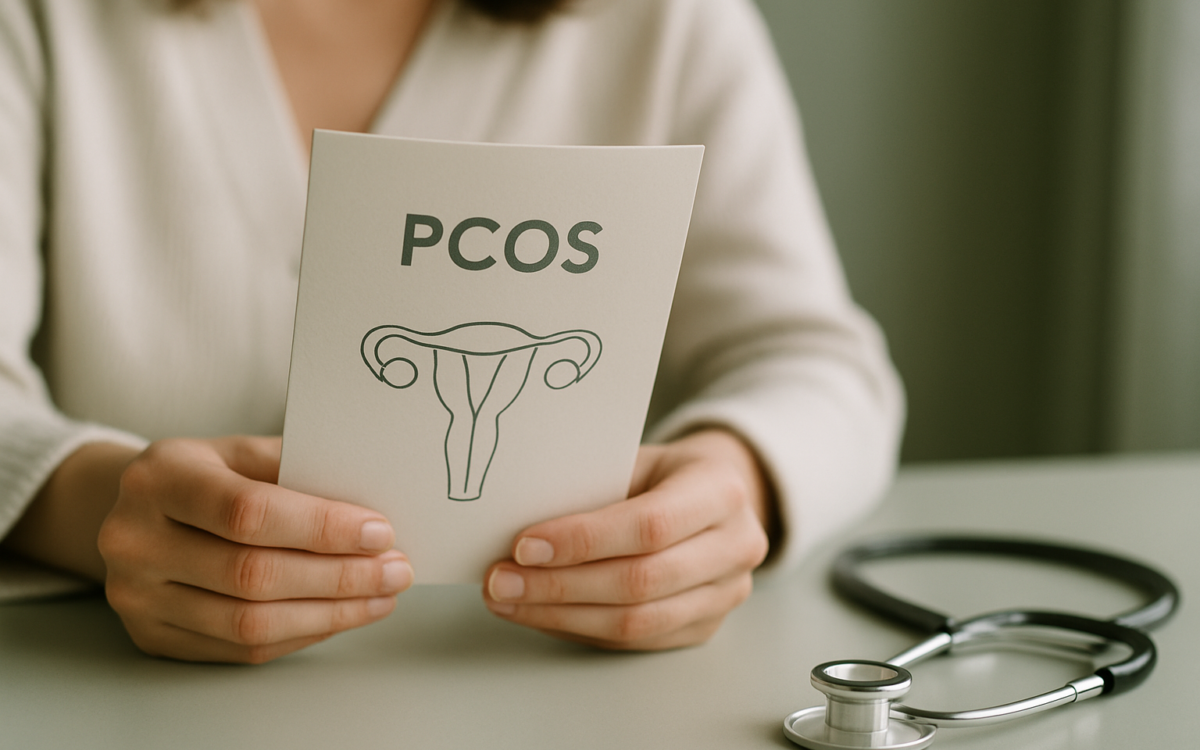
If you’ve heard the term PCOS and wondered what it stands for, you’re not alone. Polycystic Ovary Syndrome (PCOS) is a condition that impacts many women worldwide, yet it’s often misunderstood. This article will delve into what PCOS is, its symptoms, causes, and the various treatment options available. Our aim is to equip you with the knowledge to better understand this syndrome and navigate your health journey.
What is Polycystic Ovary Syndrome (PCOS)?
Polycystic Ovary Syndrome is a hormonal disorder that affects individuals with ovaries, often during their reproductive years. It is characterized by a combination of symptoms that can affect menstrual cycles, fertility, physical appearance, and overall health. The term “polycystic” refers to the many small cysts that can form on the ovaries, although not all women with PCOS develop these cysts.
Recognizing Symptoms of PCOS
PCOS manifests differently in each person, but some common symptoms include:
- Irregular or absent menstrual periods
- Excessive hair growth (hirsutism) on the face and body
- Acne and oily skin
- Weight gain or difficulty losing weight
- Thinning hair or hair loss
- Infertility or difficulty conceiving
Many people with PCOS may experience a combination of these symptoms, which can affect their quality of life and emotional well-being.
What Causes PCOS?
The exact cause of PCOS is not fully understood, but several factors seem to contribute to its development. These include:
- Hormonal Imbalances: Women with PCOS often have higher levels of androgens, which are male hormones typically present in lower levels in females. This hormonal imbalance can lead to many of the symptoms associated with PCOS.
- Insulin Resistance: Many people with PCOS have insulin resistance, meaning their bodies do not use insulin effectively. This can lead to increased insulin levels in the blood, which may cause weight gain and contribute to health issues.
- Genetics: There appears to be a hereditary component to PCOS. If you have a family history of PCOS, you may be more likely to develop the condition.
Diagnosis of PCOS
Diagnosing PCOS can involve several steps, including:
- A thorough review of your medical history and symptoms
- A physical exam, including a pelvic exam
- Blood tests to check hormone levels and rule out other conditions
- An ultrasound to examine the ovaries and check for the presence of cysts
It is advisable to consult with a doctor if you suspect you have PCOS so you can receive a proper diagnosis and appropriate guidance.
Treatment Options Available
While there is no one-size-fits-all cure for PCOS, many treatment options can help manage symptoms:
- Lifestyle Changes: Weight management through a healthy diet and regular exercise can significantly improve symptoms of PCOS. Many find that losing even a small percentage of their body weight can help restore menstruation and improve insulin sensitivity.
- Dental Care: Medications such as birth control pills can help regulate menstrual cycles, reduce hirsutism, and improve acne for many women.
- Fertility Treatments: If pregnancy is desired, options such as ovulation-inducing medications and assisted reproductive technologies may be considered. Consult with a fertility specialist for tailored advice.
- International Treatment Perspectives: PCOS treatment can vary globally. For instance, clinics like acibademinternational.com offer specialized care and support for PCOS management in a more holistic context, considering cultural and lifestyle factors that might influence treatment effectiveness.
Living with PCOS
Living with PCOS can be challenging, but strategies are available to help manage the condition more effectively. Women with PCOS often find that connecting with support groups, whether in person or online, can provide valuable resources and emotional support. Educating oneself about the condition, staying aware of potential health risks, and maintaining open communication with healthcare providers are also crucial in the journey.
When to See a Doctor
If you experience symptoms that might suggest PCOS, such as irregular periods, excessive hair growth, or difficulty getting pregnant, it’s important to consult a healthcare professional. They can provide a diagnosis, recommend appropriate treatment, and help you navigate the complexities of this syndrome.
Understanding what PCOS stands for and how it affects you is the first step toward taking control of your health. By being proactive and informed, you can find effective strategies to manage PCOS and improve your quality of life.
