
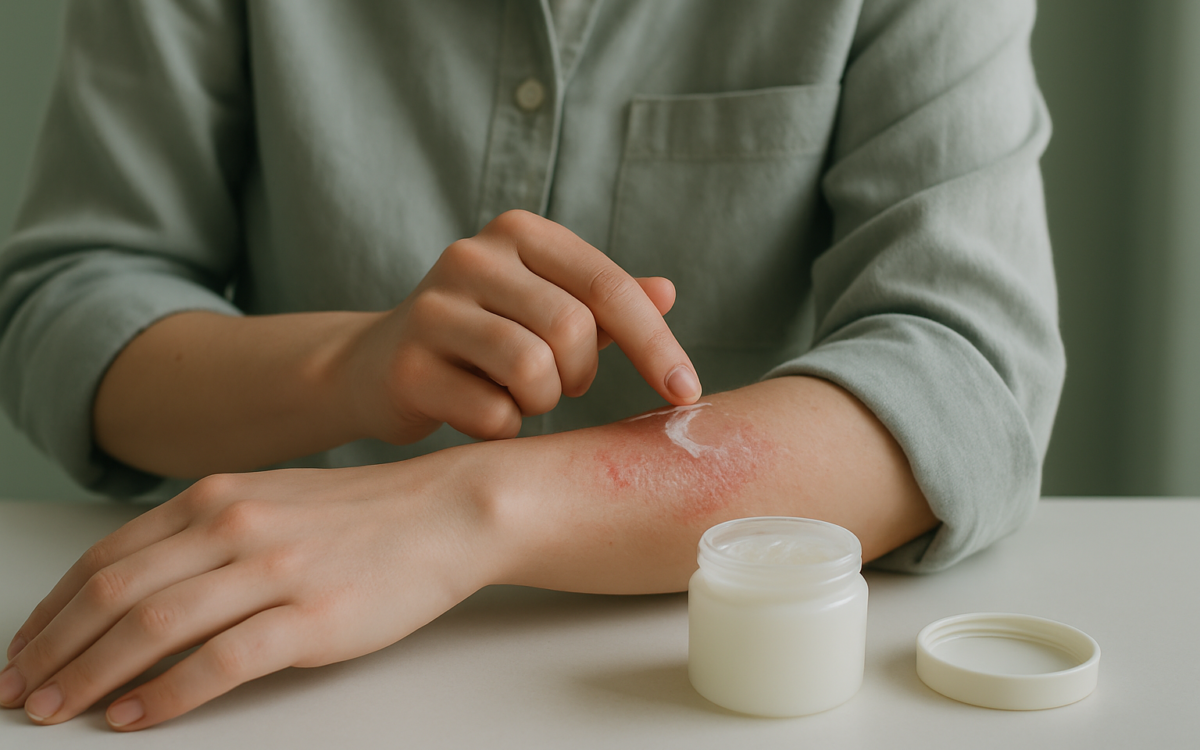
Dermatitis can be a frustrating and often uncomfortable condition that affects many people. It manifests as inflammation of the skin, leading to symptoms such as redness, itching, and dryness. While there are numerous treatments available, many people turn to Vaseline, or petroleum jelly, as a soothing solution for their dermatitis. This article explores how Vaseline may benefit those struggling with this skin condition.
What Is Dermatitis?
Dermatitis is a general term used to describe inflammation of the skin. It can take different forms, such as atopic dermatitis (commonly known as eczema), contact dermatitis, and seborrheic dermatitis, among others. Each type has its own causes and triggers, but they share common symptoms, including:
- Redness
- Itching
- Dryness
- Scales or peeling skin
Understanding the type of dermatitis you have is essential, as it helps tailor your treatment, including whether Vaseline could be beneficial.
How Does Vaseline Work?
Vaseline is a brand name for petroleum jelly, a semi-solid mixture of hydrocarbons derived from petroleum. It acts primarily as an occlusive agent, which means it forms a protective barrier on the skin. This barrier can help retain moisture, which is critical for skin health, especially when dealing with dermatitis. By locking in moisture, Vaseline can promote healing and reduce dryness and irritation.
Benefits of Using Vaseline on Dermatitis
There are several reasons someone might consider using Vaseline on dermatitis:
1. Moisturization
One of the primary benefits of using Vaseline is its ability to moisturize the skin effectively. Keeping the skin hydrated can help reduce flares of dermatitis, significantly improving comfort levels. The protective barrier Vaseline creates is particularly beneficial for those with dry skin.
2. Protection from Irritants
Vaseline may also shield the skin from irritants and allergens that may worsen dermatitis symptoms. By applying a thin layer of Vaseline before exposure to potential irritants, you can help protect sensitive skin.
3. Soothing Effect
The application of Vaseline can provide immediate relief from itching and discomfort. While it doesn’t treat the underlying causes of dermatitis, its soothing properties can help alleviate some of the frustrating symptoms.
4. Non-Comedogenic Properties
Contrary to what some may believe, Vaseline is considered non-comedogenic, meaning it doesn’t clog pores. This makes it a suitable option for many skin types, including those prone to acne.
How to Use Vaseline Effectively
Here are some tips for using Vaseline on dermatitis:
- Clean the Skin: Before applying Vaseline, gently clean the affected area with a mild soap and pat it dry.
- Apply a Thin Layer: Use a small amount of Vaseline and apply it evenly to the affected areas. You don’t need a thick layer—just enough to cover the skin.
- Frequency: Depending on your symptoms, you may apply Vaseline several times a day, especially after washing your hands or bathing.
- Consider Timing: Applying Vaseline immediately after bathing can be particularly effective since the skin is most hydrated at that moment.
Potential Drawbacks
While Vaseline does have benefits, it’s essential to be aware of potential drawbacks:
- Greasy Residue: Vaseline is oily and can leave a greasy feeling, which some people might find uncomfortable.
- Not a Cure: It’s important to remember that while Vaseline can help manage symptoms, it doesn’t cure dermatitis. For long-term management, it’s essential to work with a healthcare provider to establish a comprehensive treatment plan.
Alternative Treatments for Dermatitis
Vaseline is one option among many for managing dermatitis. Depending on the type and severity, additional treatments may be helpful:
- Topical Steroids: Over-the-counter or prescription creams may help reduce inflammation.
- Moisturizing Creams: Non-greasy moisturizers can also be beneficial, especially when used in conjunction with Vaseline.
- Medicated Ointments: In more severe cases, a doctor may recommend ointments with specific ingredients to treat the condition.
When to See a Doctor
If your dermatitis does not improve with home treatment or if it appears to be worsening, it’s time to consult a healthcare professional. Signs you should seek medical advice include:
- Severe itching preventing sleep
- Signs of infection, such as increased redness or oozing
- Persistent symptoms despite using over-the-counter treatments
Your healthcare provider can help determine the most appropriate treatment plan tailored to your specific needs.
Conclusion
Using Vaseline for dermatitis can be a practical and soothing approach to managing symptoms. Its ability to moisturize and protect the skin can provide relief for many individuals struggling with this condition. However, it’s crucial to consult with a healthcare professional to explore all available treatment options. Proper management of dermatitis often involves a personalized plan that addresses individual needs, allowing you to find relief and enjoy healthier skin.
For more information on dermatitis and skin health, you can refer to reputable sources like the NIH and Mayo Clinic.
