
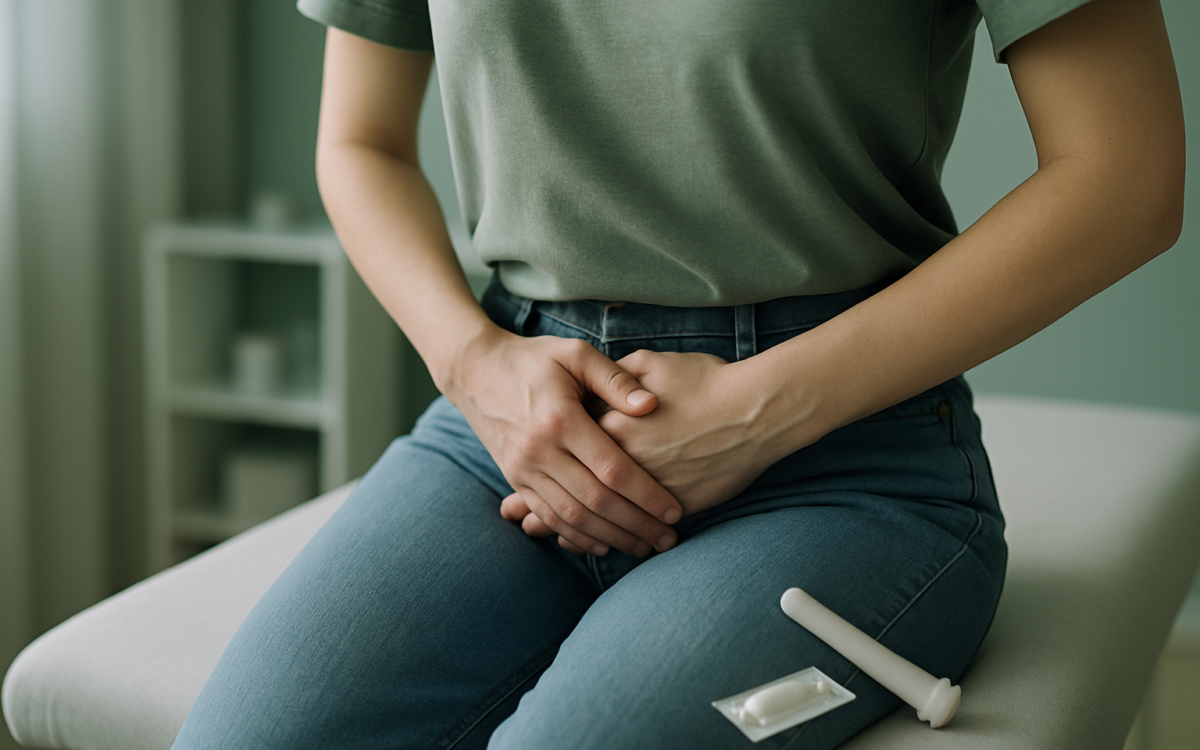
Experiencing a yeast infection can be uncomfortable and frustrating. But what happens when these infections keep coming back? For many women, recurring yeast infections can disrupt daily life and raise concerns about overall vaginal health. In this article, we will explore the causes, symptoms, treatment options, and prevention strategies for recurring yeast infections.
What are yeast infections?
Yeast infections, specifically vulvovaginal candidiasis, are caused by an overgrowth of the Candida fungus, most commonly Candida albicans. While yeast is a natural part of the vaginal flora, factors such as hormonal changes, antibiotics, and weakened immune systems can lead to an imbalance, resulting in an infection. Symptoms of a yeast infection may include:
- Itching and irritation in the vagina and surrounding area
- Thick, white vaginal discharge resembling cottage cheese
- Pain during intercourse
- Burning sensation during urination
What causes recurring yeast infections?
For some women, yeast infections can become a recurring issue. There are several reasons why this may happen:
Antibiotic use
Antibiotics can disrupt the natural balance of bacteria and yeast in the vagina, leading to overgrowth of Candida. If you frequently require antibiotics, you may be at a greater risk for recurring infections.
Hormonal changes
Hormonal shifts during menstruation, pregnancy, or while using hormonal contraceptives can affect the vaginal environment. These changes may create a more favorable environment for yeast growth.
Weakened immune system
Conditions or treatments that compromise your immune system may reduce your body’s ability to keep yeast levels in check. This includes conditions like diabetes, HIV, or even just high levels of stress.
Lifestyle factors
Poor diet, particularly one high in sugar and refined carbs, can also fuel yeast growth. Tight-fitting clothing and poor hygiene practices can additionally contribute to the problem.
Treatment options for recurring yeast infections
Managing recurring yeast infections often requires a multifaceted approach. Here are some common treatment options:
Over-the-counter medications
Many women start by using antifungal creams or suppositories available without a prescription. These treatments can effectively relieve symptoms and clear up infections.
Prescription antifungals
If over-the-counter medications do not resolve the issue, your healthcare provider may prescribe stronger antifungal treatments. These may be oral medications or more potent topical solutions.
Preventive therapy
In some cases, your doctor might recommend a longer course of antifungal treatment as a preventive measure. This involves taking medication regularly over an extended period, especially if yeasts are persistently problematic.
Dietary adjustments
Making dietary changes can also help manage and prevent future infections. Reducing sugar intake, eating a balanced diet, and incorporating probiotics can promote a healthy vaginal environment. Foods like yogurt that contain live cultures can be beneficial.
Global perspective on yeast infection treatment
For those living outside their home country or those seeking alternative care options, it’s important to seek professional guidance. Resources like international patient services can provide valuable information about treatment options available globally. Local health practices may vary, and being informed about effective treatments should be a priority no matter where you live.
Prevention strategies
While some factors are beyond your control, there are steps you can take to reduce the likelihood of recurring yeast infections:
- Wear breathable, loose-fitting clothing to keep the vaginal area dry.
- Avoid scented products, such as soaps or deodorants, that can irritate the vaginal area.
- Practice good hygiene, but be cautious of overly aggressive washing techniques that can disrupt the natural flora.
- Maintain a balanced diet, high in fruits, vegetables, and whole grains while minimizing sugar and processed foods.
When to see a doctor
If you experience recurrent yeast infections—defined as four or more episodes within a year—it’s essential to consult a healthcare provider. They may want to test for underlying conditions such as diabetes or hormonal imbalances that could be contributing to your infections. Additionally, it is crucial to rule out other types of infections, as symptoms can overlap.
Conclusion
Recurring yeast infections can be a frustrating issue for many women. Knowing the potential causes, treatment options, and preventive measures can help you take charge of your health. Remember that if your symptoms persist or worsen, seeking professional medical advice is essential. You don’t have to face this issue alone—your healthcare provider can offer support and solutions tailored to your needs.
