
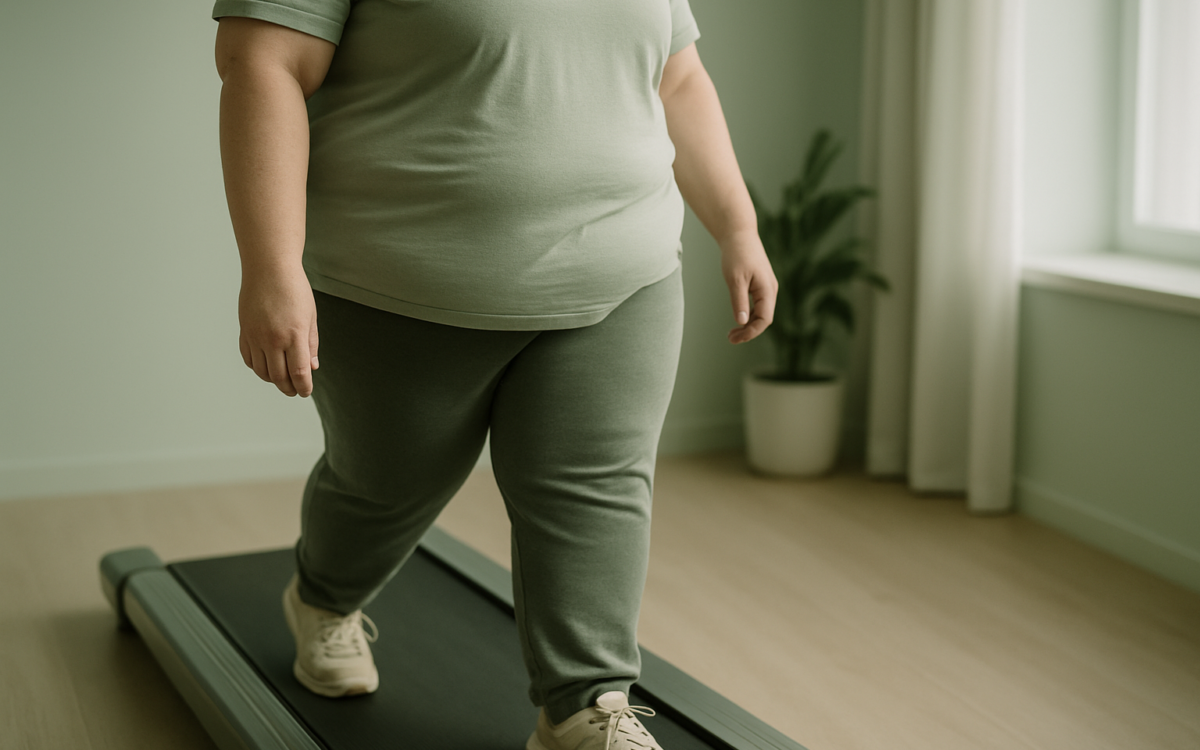
When it comes to losing weight, many people think they need to hit the gym or invest in expensive exercise equipment. However, one of the simplest yet most effective forms of physical activity is walking. You don’t need fancy gear or a gym membership to shed pounds; just a good pair of shoes and a commitment to get moving. In this article, we’ll explore how much walking you need to do to lose weight and share tips on making it a regular part of your life.
Understanding Weight Loss Basics
To understand how walking can help you lose weight, it’s important to grasp some basic concepts about weight loss. Your body burns calories throughout the day, even when you’re not exercising. When you consume more calories than you burn, you gain weight. Conversely, when you burn more calories than you consume, you lose weight. This difference between calories in and calories out is known as a calorie deficit.
Walking can contribute to creating that calorie deficit. According to the Centers for Disease Control and Prevention (CDC), engaging in physical activity like walking helps increase the number of calories you burn.
How Much Walking is Ideal for Weight Loss?
The amount of walking needed for weight loss can vary based on individual factors, including your starting weight, diet, age, and overall health. However, general guidelines suggest that:
- Walking at a moderate pace (about 3-4 miles per hour) for at least 150 minutes a week can help maintain your weight.
- For weight loss, you may need to increase this to 200-300 minutes each week.
This translates to about 30-60 minutes of walking most days of the week. You can break it down into shorter sessions if that’s easier for you. For example, three 10-minute walks throughout the day can be just as effective.
Incorporating Walking into Your Daily Routine
Integrating more walking into your daily life doesn’t have to be overwhelming. Here are some simple ways to make walking a regular part of your routine:
- Take the Stairs: Skip the elevator and take the stairs whenever possible.
- Walk During Breaks: Use your work breaks to go for a short walk, even if it’s just around the office.
- Walk Your Dog: Take your furry friend out for walks more regularly or for longer durations.
- Park Further Away: Choose a parking spot further from your destination to get in some extra steps.
- Set Goals: Use a pedometer or a fitness tracker to monitor your steps and set daily goals.
The Impact of Walking on Your Health
Beyond weight loss, walking has numerous other health benefits. Regular walking can help:
- Improve cardiovascular health by lowering blood pressure and cholesterol levels.
- Boost mood and reduce symptoms of anxiety and depression.
- Enhance your immune system, helping to prevent illnesses.
- Improve joint health and reduce the risk of arthritis.
- Increase bone strength and reduce the risk of osteoporosis.
Incorporating walking into your life is not only beneficial for weight management but also promotes overall well-being.
Combining Walking with a Healthy Diet
While walking is a great exercise for weight loss, it works best when combined with a balanced diet. Here are some dietary tips to complement your walking routine:
- Eat Whole Foods: Focus on fruits, vegetables, whole grains, and lean proteins.
- Stay Hydrated: Drink plenty of water, especially before and after your walks.
- Watch Portions: Be mindful of portion sizes to help manage calorie intake.
- Limit Sugary Foods: Reduce consumption of sugary drinks and snacks.
Combining walking with healthy eating can maximize your weight loss efforts and ensure you are on the path to a healthier lifestyle.
When to See a Doctor
It’s always a good idea to consult a healthcare professional before starting any new exercise program, especially if you have pre-existing health conditions or concerns. If you experience pain, discomfort, or unusual symptoms while walking, reach out to your doctor for advice.
Conclusion
Walking is a simple yet effective way to aid in weight loss and improve overall health. By dedicating time each week to walk, you can not only help shed pounds but also enhance your physical and mental well-being. Remember to start slowly, enjoy the process, and pair your walking routine with healthy eating for the best results. With time and dedication, you can turn walking into both a habit and a pathway to better health.
