
Stretching is often overlooked, yet it plays a vital role in maintaining overall health and wellness. Whether you’re starting a new exercise regimen or simply looking to improve your flexibility, a well-structured stretching routine can make a world of difference. This article provides a clear and straightforward stretching routine perfect for beginners, helping you ease into the practice and obtain its numerous benefits.
Why Stretching is Important
Stretching has several benefits, including:
- Improved Flexibility: Regular stretching increases your range of motion, making daily activities and physical exercises easier.
- Injury Prevention: Stretching can help prepare your muscles and joints for physical activity, potentially reducing the risk of injury.
- Enhanced Circulation: Stretching can improve blood flow to the muscles, promoting recovery and overall muscle health.
- Stress Relief: Stretching may help relieve tension in the muscles, providing both physical and mental relaxation.
According to the National Institutes of Health, incorporating stretching into your daily routine can significantly enhance your physical health and well-being.
Basic Principles of Stretching
Before diving into our stretching routine, it’s important to understand some basic principles:
- Warm Up First: Always start with a gentle warm-up, such as light walking or marching in place for 5-10 minutes. This increases blood flow to your muscles and prepares them for stretching.
- Listen to Your Body: Stretching should never be painful. Go to a point where you feel gentle tension, not pain.
- Hold Your Stretches: Aim to hold each stretch for 15-30 seconds and breathe deeply. This helps your muscles relax and lengthen.
- Be Consistent: For the best results, incorporate stretching into your routine multiple times a week.
Your Beginner Stretching Routine
Now that you know the basics, here is a simple routine to follow:
1. Neck Stretch
Sit or stand with your back straight. Gently tilt your head to one side, bringing your ear toward your shoulder. Hold for 15-30 seconds, then switch sides.
2. Shoulder Stretch
Bring one arm across your body at shoulder height. Use the opposite arm to pull it closer to your chest. Hold for 15-30 seconds, then switch arms.
3. Triceps Stretch
Raise one arm overhead, bend at the elbow, and reach down your back. Use your opposite hand to gently push your elbow back. Hold for 15-30 seconds, then switch arms.
4. Chest Stretch
Stand tall, clasp your hands behind your back, and straighten your arms. Lift your arms slightly while squeezing your shoulder blades together. Hold for 15-30 seconds.
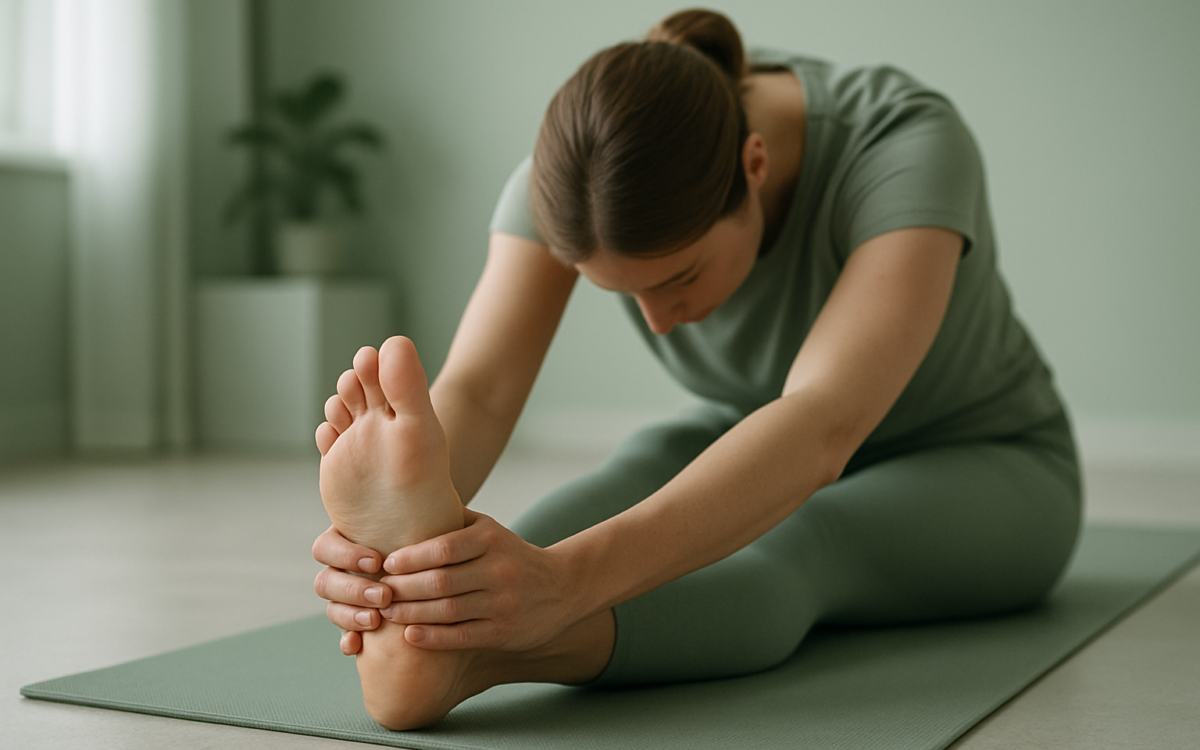
5. Hamstring Stretch
Sit on the ground with one leg extended and the other leg bent. Reach toward your toes, keeping your back straight. Hold for 15-30 seconds, then switch legs.
6. Calf Stretch
Stand facing a wall or sturdy surface. Place one foot behind you with the heel stable on the ground and lean forward slightly. Hold for 15-30 seconds, then switch legs.
Tips for Success
To make the most of your stretching routine, consider the following tips:
- Incorporate Breathing: Breathe deeply and evenly throughout each stretch. This will help you relax and deepen the stretch.
- Focus on Tight Areas: Pay extra attention to areas in your body that feel tight or tense. Regularly stretching these areas can provide relief.
- Stay Hydrated: Drink plenty of water before and after stretching to keep your muscles hydrated and functioning well.
- Use Props: Consider using a yoga strap or towel to assist in certain stretches if you can’t reach your feet or maintain the stretch comfortably.
When to See a Doctor
If you experience persistent pain during stretching or notice any unusual symptoms, it may be time to consult a healthcare professional. Common signs to seek medical advice include:
- Aching or sharp pain that doesn’t improve with rest or gentle stretching
- Swelling or bruising around a joint or muscle
- Inability to move a joint or limb normally
Consulting a doctor can help identify any underlying issues and ensure you’re stretching safely.
Final Thoughts
Incorporating a stretching routine into your daily life is a fantastic way to enhance flexibility, reduce tension, and promote overall wellness. Start with the basic stretches outlined in this article and be patient with your progress. Remember that consistency is key, and always listen to your body. Whether you plan to use this routine before a workout or as a standalone practice, you’re taking a positive step toward better health. For more information on stretches and physical activity guidelines, visit the World Health Organization and keep exploring the many benefits of staying active.
