
When teeth are lost due to injury, decay, or gum disease, it can significantly affect a person’s confidence and overall well-being. Fortunately, advances in dental technology have led to the development of dental implants. But who is the right professional to turn to for this procedure? Enter the implant dentist. This article explores what an implant dentist does, the benefits of choosing one, and essential information to consider before getting dental implants.
What Is an Implant Dentist?
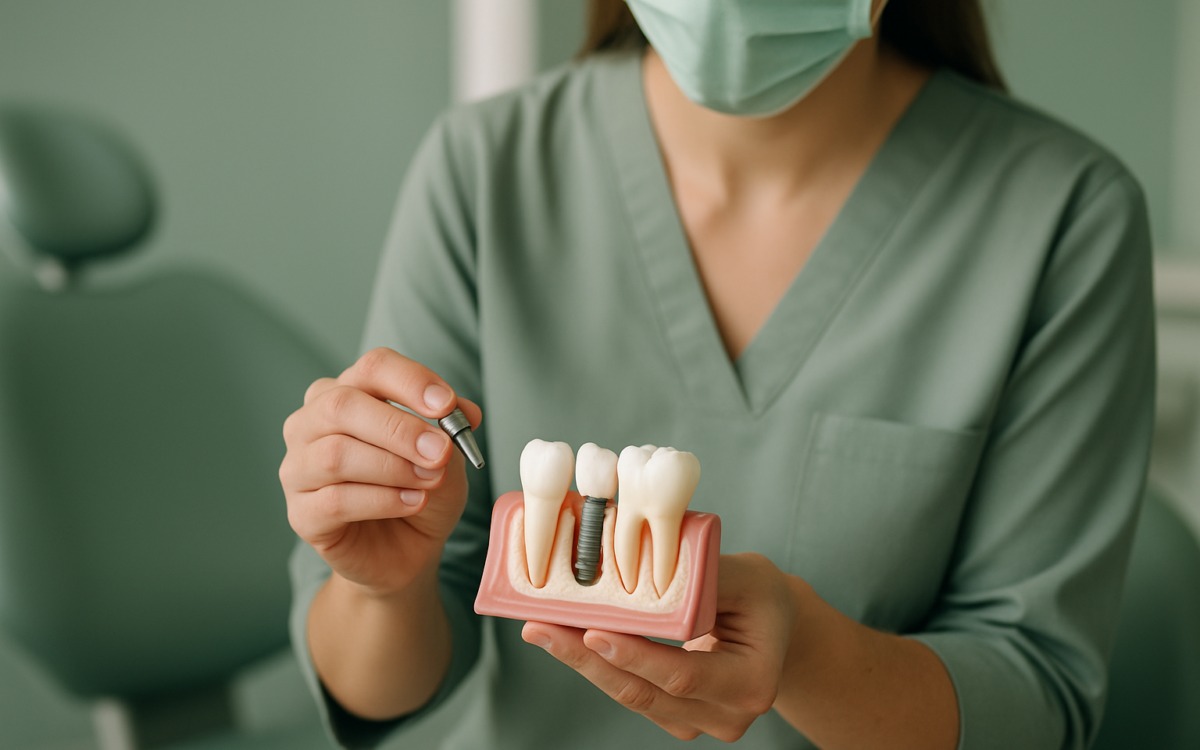
An implant dentist is a dental professional who specializes in the placement of dental implants. Dental implants are small titanium posts surgically placed into the jawbone, functioning as artificial tooth roots. They serve as a sturdy foundation for replacement teeth, which are custom-made to fit your mouth. While some general dentists may also place implants, implant dentists typically have advanced training and education in this field.
Training and Qualifications
To become an implant dentist, one must first complete dental school and earn a Doctor of Dental Surgery (DDS) or Doctor of Dental Medicine (DMD) degree. After that, many choose to further their education through residency programs focused on oral and maxillofacial surgery or periodontics, specializing in the diagnosis and treatment of gums and supporting structures of the teeth. This additional training offers implant dentists the expertise to perform complex procedures safely and effectively. According to the National Institutes of Health, approximately 5 to 10 percent of dental professionals are implant-certified, indicating a specialized focus.
Why Choose an Implant Dentist?
When considering dental implants, choosing an implant dentist has several advantages:
- Expertise: Their advanced training means they are well-versed in the latest techniques and technologies, allowing for more successful outcomes.
- Comprehensive Planning: Implant dentists conduct thorough evaluations of your oral health and create a personalized treatment plan that considers your unique dental needs.
- Follow-Up Care: After the procedure, implant dentists provide ongoing care and checkups to ensure that your implants integrate well with your jawbone and that your overall dental health is maintained.
The Dental Implant Process
The dental implant process usually takes several months and involves multiple steps:
1. Initial Consultation
This first visit involves a comprehensive examination of your teeth and gums. Your implant dentist may recommend imaging tests, such as X-rays or a CT scan, to assess bone density and structure.
2. Treatment Plan Development
Based on your evaluation, your implant dentist will create a tailored plan that outlines the implant options suitable for you. They will discuss the number of implants needed and the type of restoration, ensuring you understand the process ahead.
3. Implant Placement
During the placement procedure, the titanium implant is inserted into your jawbone under local anesthesia. This step may take an hour or more, depending on how many implants you’re receiving.
4. Osseointegration
Following implant placement, a healing period of several weeks to months begins. This is crucial as the bone gradually integrates with the implant, providing a stable foundation for your new teeth.
5. Abutment Placement
Once healed, a small connector called an abutment is attached to the implant, upon which the artificial tooth will be placed.
6. Final Restoration
Finally, custom-made crowns, bridges, or dentures are fitted onto your abutment, completing the process and restoring your smile.
Potential Risks and Considerations
<pAs with any surgical procedure, dental implants come with risks, and it’s essential to discuss these with your implant dentist:
- Infection: There is a risk of infection at the implant site, particularly if post-operative care is not followed diligently.
- Implant Failure: In some cases, the implant may not integrate properly with the bone, leading to implant failure.
- Damage to Surrounding Structures: There may be a possibility of nerve or tissue injury during the surgical procedure, which can result in numbness or pain.
It is important to address any concerns and ask questions during your consultation to ensure you have a clear understanding of the risks involved.
Maintaining Your Implants
Once you have had dental implants, maintaining good oral hygiene is crucial for their longevity. Here are some tips:
- Brush your teeth at least twice a day and floss daily.
- Use an antimicrobial mouthwash to help eliminate bacteria.
- Regular dental visits for professional cleaning and check-ups are essential for oral health.
- Report any unusual pain or discomfort to your dentist immediately.
When to See a Doctor
If you are experiencing tooth loss or have persistent dental issues, consider consulting an implant dentist as soon as possible. Early intervention can help prevent more severe complications affecting your oral health. Symptoms such as pain at the implant site, swelling, or unusual discharge should prompt immediate evaluation.
In conclusion, an implant dentist plays a crucial role in restoring smiles and improving quality of life through advanced dental solutions. By understanding their expertise and the dental implant process, you can make informed decisions about your oral health. Remember to consult with your dental health professional regarding your unique needs and concerns.
