
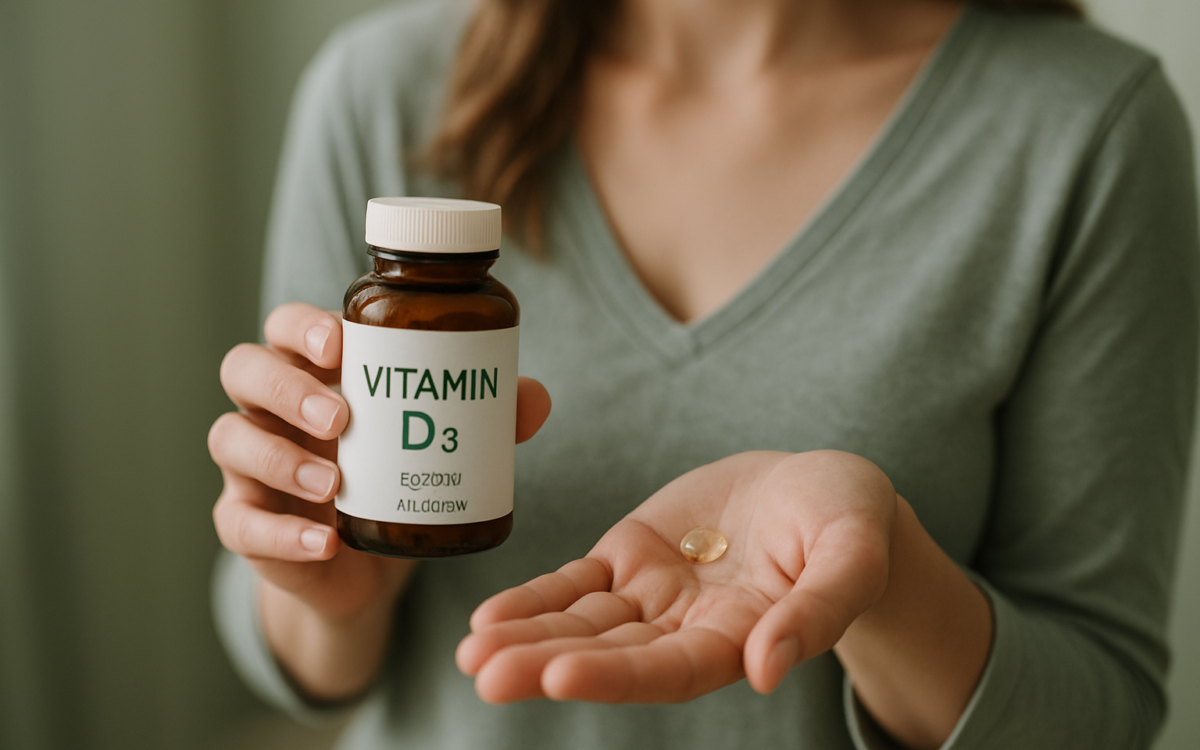
Vitamin D is often called the “sunshine vitamin” because our bodies produce it when exposed to sunlight. However, for many women, getting enough Vitamin D can be a challenge. Factors like limited sun exposure, dietary restrictions, and lifestyle choices can lead to deficiencies. This is where Vitamin D3 supplements come into play. In this article, we will explore the benefits of Vitamin D3 supplements specifically for women and how they can contribute to overall health.
What is Vitamin D3?
Vitamin D3, or cholecalciferol, is one form of Vitamin D. It is produced by the body in response to sunlight and can also be obtained through certain foods and supplements. Unlike other vitamins, Vitamin D functions more like a hormone, regulating calcium and phosphate in the body. These minerals are critical for maintaining healthy bones, teeth, and muscles.
Why Women Need Vitamin D3
Women’s health demands special attention due to various physiological changes throughout different life stages, including puberty, menstruation, pregnancy, and menopause. Here are several reasons why adequate Vitamin D3 levels are particularly vital for women:
Bone Health
Women are more prone to osteoporosis, especially post-menopause, due to the decline in estrogen levels. Vitamin D3 plays an essential role in calcium absorption and bone mineralization. Research shows that women with higher levels of Vitamin D have better bone density, reducing the risk of fractures and osteoporosis later in life (NIH).
Immune System Support
A robust immune system is crucial for everyone, especially women who might be juggling multiple responsibilities. Studies indicate that Vitamin D3 can enhance the pathogen-fighting effects of monocytes and macrophages—white blood cells that are crucial for immune defense. This makes Vitamin D3 an essential nutrient for supporting overall immune health (WHO).
Mood Regulation
Vitamin D3 is linked to mood regulation and may play a role in preventing certain mood disorders. Some studies suggest that lower levels of Vitamin D are associated with a higher risk of depression and anxiety. Women are especially vulnerable to mood fluctuations due to hormonal changes throughout their lives. Ensuring adequate Vitamin D3 intake might help improve mood and emotional well-being.
Sources of Vitamin D3
You can obtain Vitamin D3 from various sources:
- Sunlight: Spending time outdoors allows your skin to synthesize Vitamin D3. Aim for 10-30 minutes of sun exposure several times a week.
- Food: Fatty fish (like salmon and mackerel), egg yolks, cheese, and fortified foods (such as milk and cereals) are good dietary sources of Vitamin D3.
- Supplements: For those who struggle to get enough Vitamin D from sunlight and food, supplements can help bridge the gap.
Choosing the Right Supplement
If you’re considering a Vitamin D3 supplement, here are a few tips to help you make an informed choice:
- Form: Vitamin D3 supplements come in various forms, including soft gels, capsules, and gummies. Choose one that best suits your lifestyle.
- Dosage: Recommended dietary allowances (RDAs) vary based on age and other factors. For most adult women, 600 to 800 IU (International Units) daily is suggested, but some may need more. Always consult your healthcare provider for personalized recommendations.
- Quality: Look for products that have been third-party tested for quality and purity. Understanding ingredient sourcing can help ensure you’re getting the best product.
Possible Side Effects and Considerations
While Vitamin D3 is generally safe, taking excessive amounts can lead to toxicity, causing high levels of calcium in the blood (hypercalcemia), which can result in nausea, vomiting, and kidney issues. It’s essential to stay within the recommended limits and consult your doctor before starting any new supplement, especially if you are pregnant, breastfeeding, or taking other medications.
When to See a Doctor
If you’re concerned about your Vitamin D levels or experience symptoms such as fatigue, bone pain, muscle weakness, or mood changes, it may be time to consult your healthcare provider. They can suggest blood tests to check your Vitamin D levels and recommend appropriate dietary adjustments or supplements.
In conclusion, Vitamin D3 is an essential nutrient for women that plays a significant role in bone health, immune support, and even mood regulation. Whether through sunlight, diet, or supplements, ensuring you maintain adequate levels is key to achieving overall wellness. Always consult your healthcare provider for personalized advice tailored to your specific health needs.
