
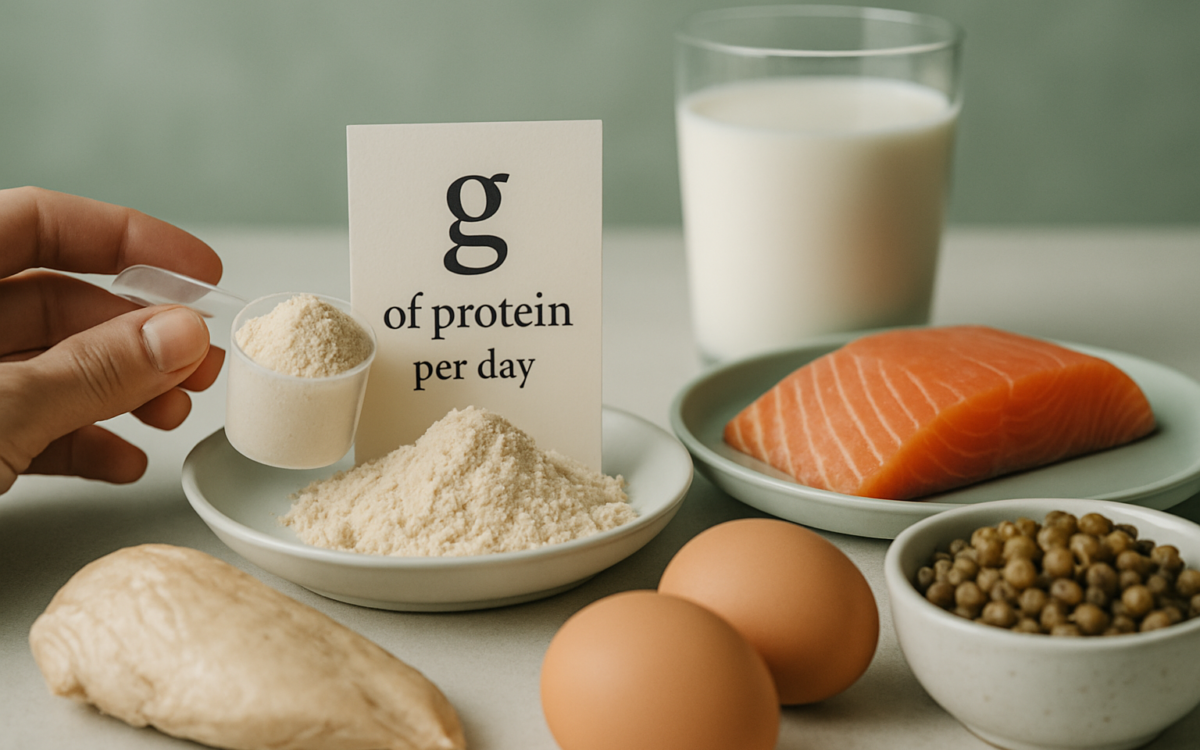
Protein is often called the building block of life, and for good reason. Every day, our bodies rely on this essential nutrient to perform a range of functions, from building muscles to boosting our immune system. But how much protein do we actually need? Understanding your protein requirements can greatly improve your health and help you meet your fitness goals.
What is protein and why do we need it?
Protein is a macronutrient made up of amino acids. These amino acids are crucial for various bodily functions, including:
- Building and repairing tissues
- Supporting immune function
- Producing hormones and enzymes
- Providing energy when carbohydrates and fats are not available
Since our bodies don’t store protein like they do fats or carbohydrates, we need to consume it regularly through our diet. This raises the question: just how much protein do we need each day?
Daily protein recommendations
The amount of protein you need can vary based on several factors, including your age, sex, activity level, and specific health goals. According to the National Institutes of Health (NIH) and the World Health Organization (WHO), the general recommendation for protein intake varies as follows:
- Adults: About 46 grams for women and 56 grams for men each day.
- Athletes: Those involved in intense training may require around 1.2 to 2.0 grams of protein per kilogram of body weight.
- Aging adults: Older adults may benefit from higher protein intake, roughly 1.0 to 1.2 grams per kilogram of body weight, to support muscle mass and strength.
To convert your weight from pounds to kilograms, divide your weight by 2.2. For example, if you weigh 150 pounds, you would weigh about 68 kilograms (150 ÷ 2.2).
Factors influencing protein needs
While general guidelines exist, several factors can influence how much protein you may need:
1. Age
As you age, your protein requirements may increase. The body becomes less efficient at utilizing protein, suggesting that older adults need more to maintain muscle mass and overall health.
2. Physical activity
If you lead a highly active lifestyle or engage in regular exercise, your protein needs increase. Athletes, particularly those focused on strength training, may need more protein to help repair and build muscle tissues.
3. Health conditions
Specific health conditions like kidney disease may require you to lower your protein intake, while conditions like malnutrition or recovery from surgery often necessitate higher protein consumption. Always consult your healthcare provider if you have health concerns related to diet.
4. Dietary preferences
Vegans and vegetarians can meet their protein needs through plant-based sources like beans, lentils, tofu, and quinoa. However, it’s essential to ensure that these foods are consumed in adequate amounts to reach your daily protein requirement.
How to measure your protein intake
Measuring how much protein you consume can help you stay on track with your daily needs. Here are some practical ways to ensure you’re meeting your protein goals:
- Read nutrition labels: Many packaged foods provide detailed nutritional information, including protein content.
- Use a food diary: Tracking your meals and snacks can be an eye-opening experience that helps you recognize your protein intake patterns.
- Consult with a nutritionist: A registered dietitian can help create a personalized plan tailored to your specific dietary needs and goals.
Sources of protein
Incorporating a variety of protein sources into your daily meal plan is vital for obtaining all essential amino acids. Here are some excellent sources:
Animal-based sources:
- Chicken and turkey
- Fish and seafood
- Lean beef and pork
- Dairy products like milk, cheese, and yogurt
Plant-based sources:
- Legumes, such as lentils and chickpeas
- Quinoa and whole grains
- Nuts and seeds
- Soy products like tofu and tempeh
When to see a doctor
If you have concerns about your protein intake, dietary restrictions, or health conditions affecting your nutritional needs, it’s best to consult a healthcare professional. They can help assess your situation and provide tailored advice to optimize your health.
Conclusion
Understanding how many grams of protein you need each day is a vital step towards maintaining good health and achieving your fitness goals. Whether you’re an athlete, an older adult, or simply interested in improving your overall well-being, paying attention to your protein intake can make a significant difference in your health journey. Remember, it’s essential to choose a variety of protein sources and consult a healthcare provider if you have questions about your individual needs.
