
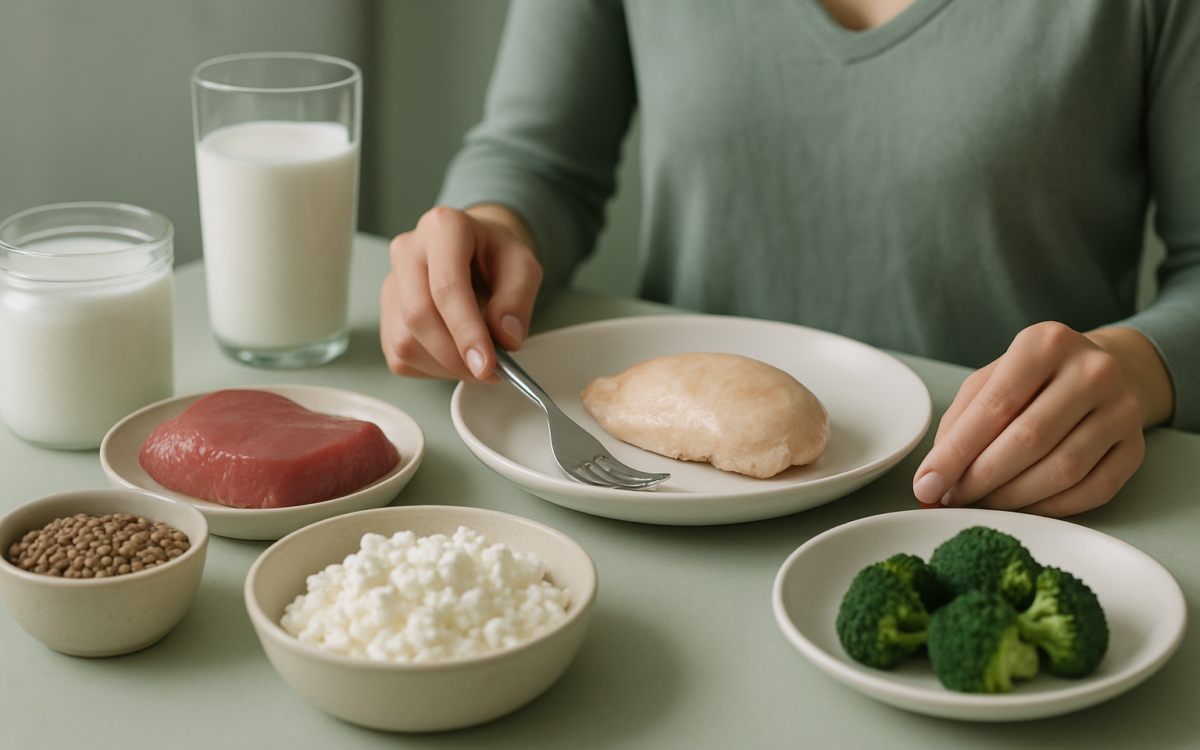
Protein is an essential nutrient that plays a critical role in our overall health. It helps build and repair tissues, produces enzymes and hormones, and supports a healthy immune system. But many people wonder, “How much protein should I consume a day?” This question is particularly important for those looking to maintain a healthy lifestyle, lose weight, or build muscle. In this article, we’ll explore the factors that influence your daily protein needs and provide practical guidance to help you meet those needs.
Understanding Protein Requirements
The recommended protein intake varies depending on several factors, including age, sex, weight, and physical activity level. According to the National Institutes of Health (NIH), the Dietary Reference Intake (DRI) for protein is approximately 46 grams per day for women and 56 grams per day for men. This is a general guideline, and your specific requirements may be higher or lower based on your lifestyle and health goals.
Daily Protein Intake Based on Activity Level
One of the most significant factors that affects how much protein you need is your activity level. Here’s a breakdown:
- Sedentary Lifestyle: If you aren’t very active, you may only need the minimum protein intake of 0.8 grams of protein per kilogram of body weight.
- Moderately Active: For those who engage in light to moderate exercise, a protein intake of about 1.0 to 1.2 grams per kilogram of body weight may be sufficient.
- Active or Intense Training: Individuals involved in weight training, endurance sports, or other intense activities might require more—up to 1.6 to 2.0 grams per kilogram of body weight.
For example, a 70 kg (approximately 154 lbs) person who is moderately active should aim for about 70 to 84 grams of protein each day.
Protein Needs by Age and Gender
Age and gender play important roles in determining how much protein you should consume daily. Children and adolescents have higher protein requirements relative to their body weight to support growth and development. Older adults may also benefit from higher protein intake to help maintain muscle mass and strength as they age.
Here’s a general guideline:
- Children (1-3 years): 13 g/day
- Children (4-8 years): 19 g/day
- Teenagers (9-13 years): 34 g/day for both boys and girls
- Active Older Adults: May benefit from 1.2 to 2.0 grams per kilogram of body weight.
- Women during Pregnancy or Lactation: Need about 71 grams per day to support the growing fetus or nursing baby.
It’s essential to adjust your protein intake according to these factors to support overall well-being.
Protein Quality: Whole Foods vs. Processed Sources
Not all protein sources are created equal. Focus on high-quality protein sources that not only provide the necessary amino acids but also come with additional nutrients. Here are some examples:
- Animal Sources: Eggs, dairy, chicken, fish, and lean meats are complete proteins, meaning they contain all the essential amino acids.
- Plant Sources: Beans, lentils, tofu, quinoa, nuts, and seeds are excellent plant-based proteins. Some may need to be combined to ensure you’re getting all essential amino acids.
- Processed Protein Products: Be mindful of protein bars or shakes, as many contain added sugars or other ingredients that may not be as healthy.
For a balanced diet, aim to get protein from a variety of sources to ensure adequate nutrient intake.
Signs You May Need More Protein
If you’re unsure about whether you’re meeting your protein needs, watch for some common signs that may indicate you’re not consuming enough:
- Unexplained weight loss or difficulty maintaining weight
- Muscle weakness or fatigue during physical activities
- Frequent illnesses or slow recovery from injuries
- Skin issues, such as dryness, that may indicate nutrient deficiencies
If you notice these symptoms, it may be worth discussing your diet with a healthcare provider.
When to See a Doctor
If you’re unsure about how much protein you should be consuming based on your personal circumstances, or if you have specific health concerns, it’s a good idea to consult a healthcare professional. This is especially important if you have chronic medical conditions, are considering starting a new diet, or need specialized nutritional advice.
Conclusion
Determining how much protein you should consume each day is not a one-size-fits-all equation. Factors such as age, sex, activity level, and overall health all play a role in your daily protein needs. By focusing on a balanced diet with a variety of protein sources and keeping your lifestyle in mind, you can better meet your nutritional requirements. As always, if you have specific dietary concerns, consult a healthcare provider for personalized guidance.
