
Protein is a crucial part of our diets, serving many important roles in the body. From building and repairing tissues to supporting immune function and hormone production, getting the right amount of protein is essential for overall health. But how much protein should you eat in a day? This question often sparks debates and confusion. In this article, we will explore the recommended daily protein intake based on different factors, such as age, activity level, and specific goals.
The Basics of Protein Intake
Protein is made up of amino acids, which are the building blocks of our bodies. It is found in both animal-based and plant-based foods. The recommended dietary allowance (RDA) for protein varies depending on several factors, including age, gender, and level of physical activity.
The RDA for protein is generally set at 0.8 grams of protein per kilogram of body weight for sedentary adults. This means that if you weigh 70 kg (about 154 lbs), you should consume approximately 56 grams of protein per day. However, this is just a baseline, and individual needs can vary significantly.
Factors Influencing Protein Needs
Several factors can influence how much protein you should consume each day. These include:
- Age: As we age, muscle mass often declines, leading to a greater need for protein to preserve muscle strength. Older adults may require around 1.0 to 1.2 grams of protein per kilogram of body weight.
- Activity Level: Those who are physically active, especially athletes and bodybuilders, often require more protein to support muscle recovery and growth. Depending on the intensity of exercise, recommendations can go up to 1.6 to 2.2 grams per kilogram.
- Health Status: Certain health conditions, such as recovering from surgery or dealing with chronic illness, may increase protein needs. Consulting a healthcare provider is advised in these situations.
- Body Composition Goals: If your goal is to lose weight, building muscle, or maintain a healthy weight, your protein needs may also vary. A higher protein intake can promote satiety and help maintain muscle during weight loss.
Protein Sources: Animal vs. Plant
When considering your protein intake, it’s essential to think about where you get your protein from. There are two main categories: animal proteins and plant proteins.
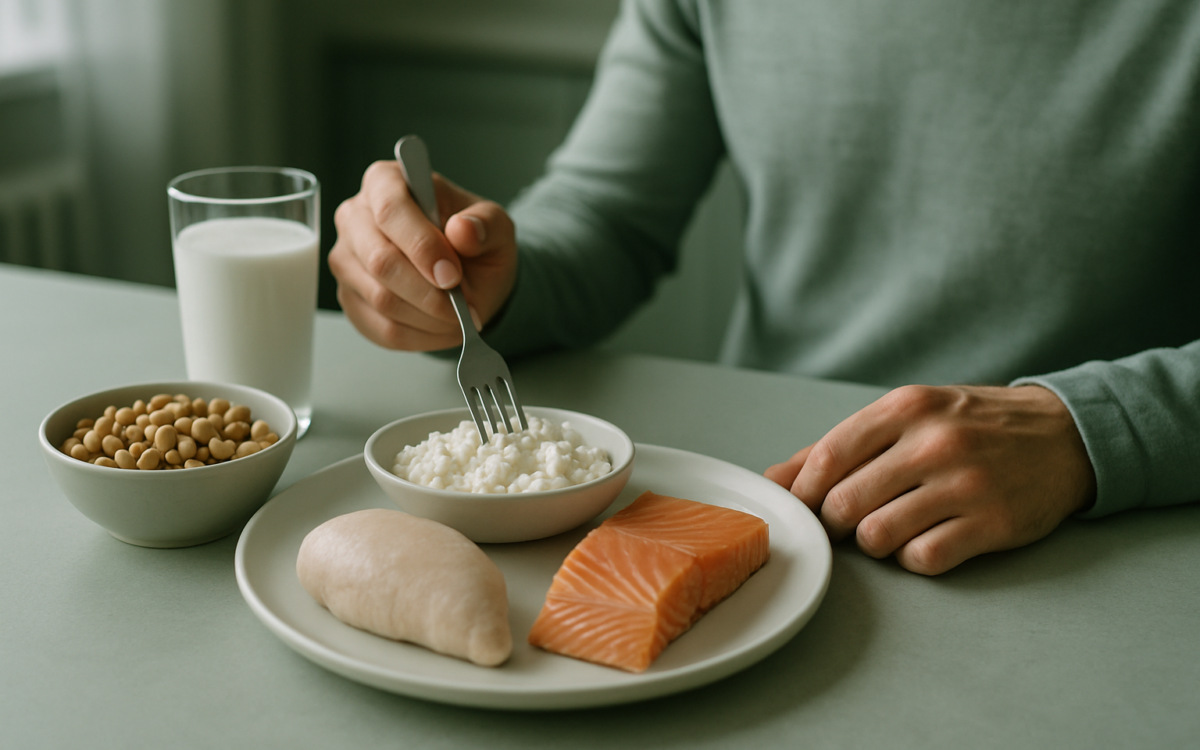
Animal Proteins: Foods like meat, fish, eggs, and dairy are considered complete protein sources because they contain all the essential amino acids your body needs. For example, lean meats like chicken and fish are excellent sources of high-quality protein.
Plant Proteins: Sources like beans, lentils, nuts, and whole grains offer protein, but they may lack one or more of the essential amino acids. However, by combining different plant-based foods, such as rice and beans, you can achieve a complete amino acid profile. Plant-based diets can be rich in fiber and low in saturated fat, making them a healthy choice.
How to Calculate Your Protein Needs
Calculating your daily protein requirement can be simple. Here’s how:
- Determine your weight in kilograms (1 kg = 2.2 lbs).
- Decide on your protein multiplier based on your activity level:
- Sedentary adults: 0.8 grams
- Active adults: 1.0 to 1.6 grams
- Athletes: 1.2 to 2.2 grams
- Multiply your weight in kg by your protein multiplier to find your daily protein goal.
For example, a 70 kg adult who is moderately active might need around 1.2 grams of protein, leading to a daily total of approximately 84 grams of protein.
Signs You May Need More Protein
While most people can obtain enough protein through a balanced diet, some signs may indicate you need to increase your protein intake:
- Fatigue or weakness
- Muscle loss or decreased strength
- Slow recovery from injuries or exercise
- Persistent hunger or cravings
If you notice these signs or have specific fitness goals, it may be worthwhile to reassess your protein consumption. Engaging in a discussion with a nutritionist or healthcare provider can help tailor your intake to your personal needs.
When to See a Doctor
If you have concerns about your protein intake, especially if you have a health condition that affects your dietary needs, it’s essential to consult a healthcare professional. This includes conditions like kidney disease, which can affect how your body processes protein, or if you’re experiencing significant changes in weight, energy levels, or muscle strength.
Conclusion
Understanding how much protein you should eat each day involves more than following a one-size-fits-all recommendation. Individual factors such as age, activity level, and overall health play a pivotal role in determining your protein needs. By being mindful of your dietary habits and ensuring an adequate intake from both animal and plant sources, you can support your body’s needs and maintain a healthy lifestyle.
For more personalized advice, consider consulting a registered dietitian or nutritionist, especially if you’re looking to make significant changes to your diet.
