
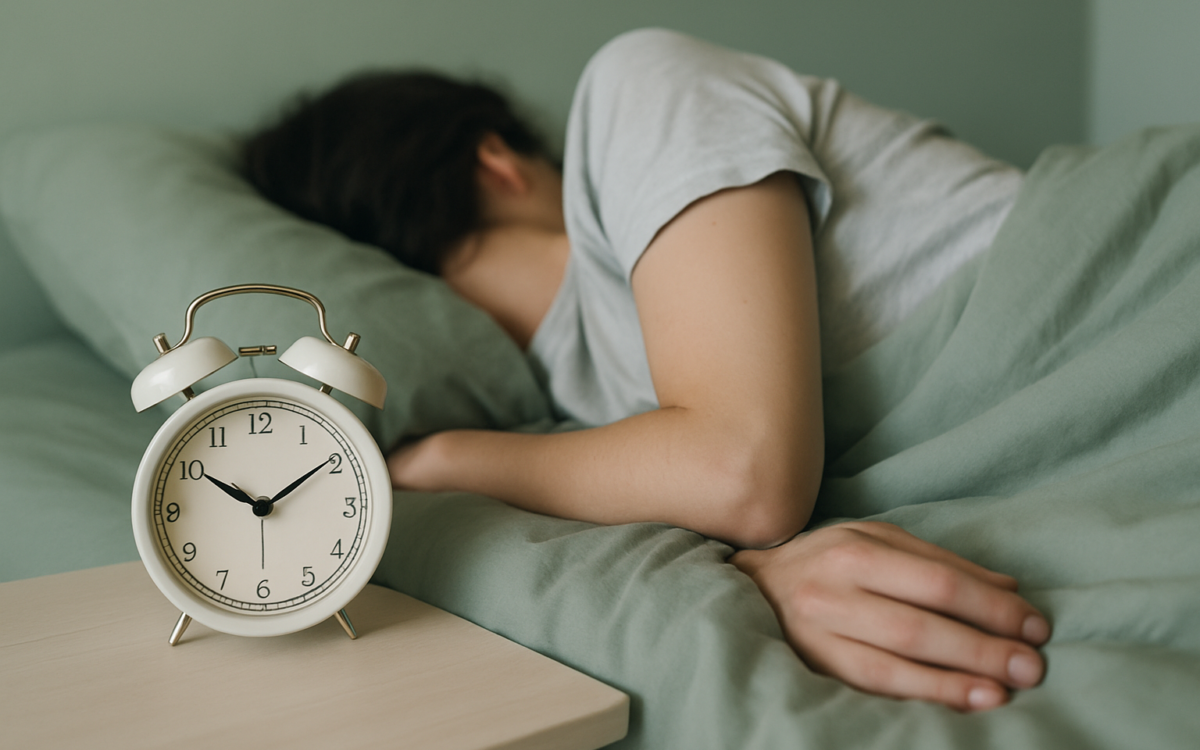
Most of us have experienced those nights where sleep seems just out of reach. Whether it’s racing thoughts, anxiety, or just a noisy environment, falling asleep quickly can feel impossible. However, understanding how to create the right conditions for sleep can be a game changer. In this article, we’ll explore proven strategies and habits that can help you drift into slumber faster and wake up refreshed.
Create a Sleep-Inducing Environment
Your sleep environment plays a significant role in how quickly you can fall asleep. Here are some tips to optimize your bedroom:
- Keep it Dark: Darkness signals your brain that it’s time to sleep. Consider blackout curtains or an eye mask if necessary.
- Control the Temperature: A cooler room (around 60-67°F) can help promote better sleep. Adjust your thermostat or use fans as needed.
- Minimize Noise: Use earplugs or a white noise machine to drown out disruptive sounds.
- Invest in Comfort: A good mattress and pillows that suit your sleeping style can significantly impact your ability to fall asleep quickly.
Establish a Consistent Sleep Schedule
Going to bed and waking up at the same time every day, even on weekends, helps regulate your body’s internal clock. Aim for 7-9 hours of sleep each night for optimal health. Here are some additional tips:
- Wind Down: Create a relaxing pre-sleep ritual like reading or taking a warm bath. This cues your body that it’s time to wind down.
- Avoid Naps: If you struggle with nighttime sleep, it might be best to limit naps during the day.
- Set a Bedtime Alarm: Use your phone or a clock to remind you when it’s time to start your bedtime routine.
Limit Exposure to Screens
The blue light emitted by phones, tablets, and computers can disrupt your sleep cycle by suppressing melatonin production. Here’s how to manage your screen time:
- Create a Tech Curfew: Aim to turn off all screens at least 30-60 minutes before bed.
- Use Night Mode: Many devices have settings that reduce blue light exposure; use these features in the evening if you must use screens.
- Find Relaxing Alternatives: Instead of scrolling through social media, consider activities like gentle yoga, meditating, or listening to calming music.
Practice Relaxation Techniques
Relaxation techniques can calm your mind and prepare your body for sleep. Here are some practices to consider:
- Deep Breathing: Take slow, deep breaths to help decrease anxiety and promote relaxation.
- Progressive Muscle Relaxation: Tense and then relax each muscle group in your body, starting from your toes and working your way up.
- Mindfulness Meditation: Focusing on the present moment can reduce stress and help you let go of worries that might keep you awake.
Be Mindful of Your Diet
What you eat and drink can impact your ability to fall asleep. Consider these dietary tips:
- Avoid Caffeine: Limit caffeine intake in the afternoon and evening. Be mindful of sources like coffee, tea, chocolate, and some sodas.
- Skip Heavy Meals: Eating large meals close to bedtime can disrupt sleep. If you need a snack, opt for something light and sleep-friendly, like yogurt or a banana.
- Stay Hydrated: While staying hydrated is essential, try to limit drinks right before bed to avoid frequent bathroom trips during the night.
Consider Herbal Remedies
Some people find that herbal remedies can aid in relaxation and promote sleep. However, consult with a healthcare provider before trying any new supplements. Here are a few options often discussed:
- Chamomile Tea: Known for its calming properties, chamomile tea is a popular bedtime beverage that may help promote sleep.
- Lavender: The scent of lavender may help reduce anxiety and improve sleep quality. Consider lavender essential oil or sachets.
- Melatonin: A hormone that regulates sleep-wake cycles, melatonin supplements can be helpful for some, especially when traveling or adjusting to new time zones.
When to See a Doctor
If you find that trouble sleeping persists despite trying these remedies, it may be time to seek professional advice. Conditions like chronic insomnia can indicate an underlying issue that requires attention. Consult a healthcare professional if sleep problems interfere with your daily life or if you experience excessive daytime sleepiness.
Understanding the importance of sleep and taking proactive steps to improve your sleep habits can have a positive impact on your overall health. By creating a conducive sleep environment, establishing a regular schedule, managing your screen time, practicing relaxation techniques, being mindful of your diet, and considering herbal remedies, you can enhance your chances of falling asleep quickly and enjoying restorative rest.
