
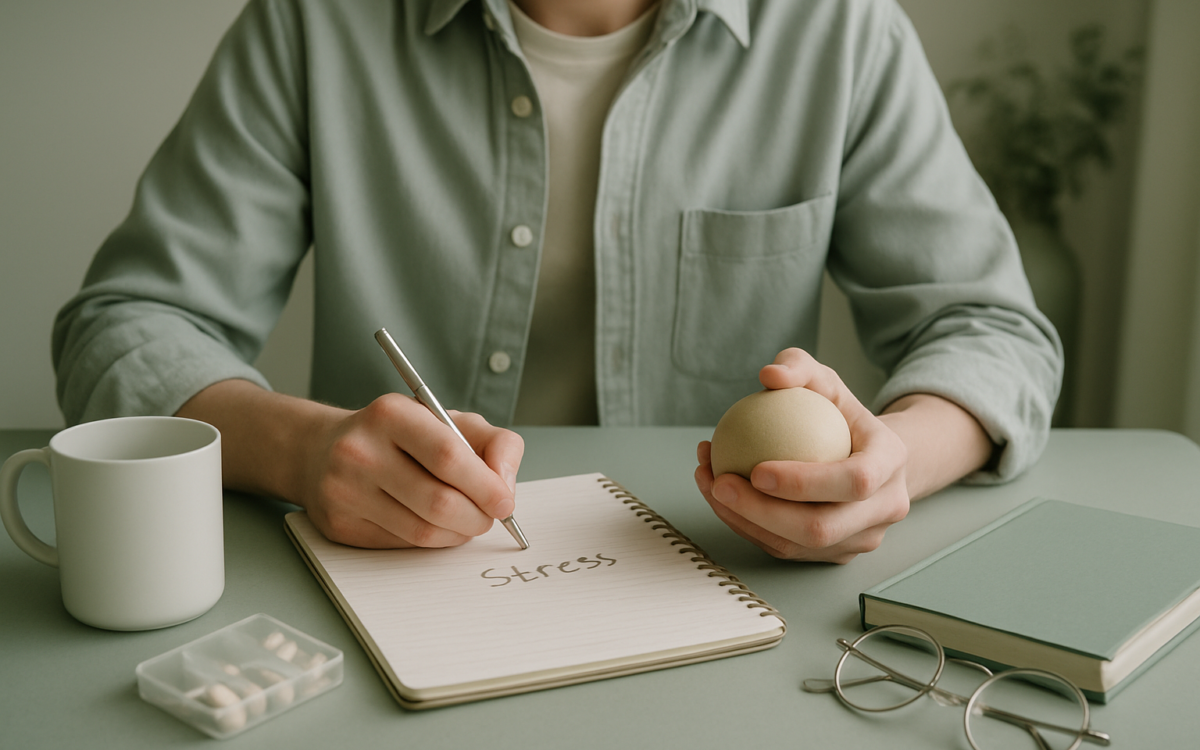
Life can often feel overwhelming, with constant pressures from work, family, and social commitments. Stress is a natural response to these demands, but when it becomes chronic, it can affect your overall health. Thankfully, there are numerous stress coping strategies to help you regain control and improve your mental well-being. This article explores practical techniques to manage stress effectively, making your daily life a little easier.
Understanding Stress and Its Effects
Stress is your body’s response to challenges or demands. While short bursts of stress can motivate you to meet deadlines and tackle difficult tasks, prolonged stress can lead to serious health issues. According to the World Health Organization, chronic stress can lead to anxiety, depression, heart disease, and other health problems. Recognizing the signs of stress is crucial in learning how to cope with it.
Mindfulness and Meditation
One of the most effective coping strategies is practicing mindfulness and meditation. Mindfulness involves focusing on the present moment without judgment. This practice can help reduce stress by allowing you to step back from overwhelming thoughts and feelings. Here are some tips for incorporating mindfulness into your daily routine:
- Breathe deeply: Take a few minutes each day to focus on your breath. Inhale deeply through your nose, hold for a moment, and exhale slowly through your mouth.
- Observe your surroundings: Spend time outside and take notice of the sights, sounds, and smells around you. This can help ground you in the moment.
- Try guided meditation: Use apps or videos to follow along with guided meditations. These can range from just a few minutes to longer sessions.
Research shows that mindfulness can decrease stress levels and promote emotional health (see [NIH](https://www.ncbi.nlm.nih.gov/)).
Physical Activity as a Stress Reliever
Physical exercise is not just good for your body; it’s also essential for your mind. Engaging in regular physical activity can boost your mood and reduce feelings of stress. Here are some ways to get moving:
- Find an activity you enjoy: Whether it’s dancing, swimming, jogging, or playing a sport, choose something you love to stay active.
- Start small: If you’re new to exercise, begin with short 10-15 minute sessions and gradually increase the duration as you feel comfortable.
- Join a group: Participating in a fitness class or group activity can make exercise more enjoyable and help you meet new people.
According to the CDC, just 150 minutes of moderate exercise each week can significantly improve mental health.
Connecting with Others
Social support is vital when navigating stress. Staying connected with friends and family can offer emotional support and a sense of belonging. Here are some ways to strengthen your social connections:
- Reach out: Don’t hesitate to talk to someone about how you’re feeling. A simple phone call or text can lift your spirits.
- Join community groups: Consider joining clubs or volunteer organizations in your area that align with your interests.
- Schedule regular meet-ups: Try to make time each week or month to connect with loved ones, whether in person or virtually.
Research has shown that social connections can lessen the impact of stress (see [Mayo Clinic](https://www.mayoclinic.org/)), enhancing your emotional resilience.
Practicing Gratitude
Gratitude is a powerful tool for managing stress. Taking time to acknowledge and appreciate the good things in your life can shift your focus from what’s causing stress to what brings you joy. Here are several ways to practice gratitude:
- Keep a gratitude journal: Write down three things you’re grateful for every day. This simple act can help train your mind to focus on positivity.
- Express thanks: Reach out to someone who has positively impacted your life and thank them, either in person or in a letter.
- Reflect on your achievements: Regularly remind yourself of your accomplishments, however small they may seem.
Studies suggest that practicing gratitude can improve mental health and lower stress levels (see [Cleveland Clinic](https://my.clevelandclinic.org/)), providing a powerful counterbalance to daily stressors.
Setting Boundaries
Learning to say no and set boundaries is essential in managing stress. Many people take on more responsibilities than they can handle, leading to burnout. Here are some strategies for establishing healthy boundaries:
- Assess your commitments: Review your current obligations and identify areas where you can cut back.
- Communicate your limits: Be open with those around you about what you can and cannot take on. Most people will understand your need to prioritize your well-being.
- Practice saying no: It may feel uncomfortable, but saying no to additional responsibilities can help prevent overwhelm.
Establishing boundaries is not selfish; it is a necessary part of self-care that can contribute to a balanced life.
When to See a Doctor
If you find that stress is becoming unmanageable or is significantly affecting your daily life, it may be time to seek professional help. Signs that you should consult a doctor include:
- Feelings of hopelessness or despair
- Persistent anxiety or depression
- Extreme mood swings
- Physical symptoms such as headaches or stomach problems that won’t go away
Professional help can provide additional tools and support for you to cope effectively with stress.
In conclusion, mastering stress is not about eliminating it from your life, but rather learning how to manage it effectively. By incorporating mindfulness, physical activity, social connections, gratitude, and setting boundaries into your routine, you can improve your mental well-being. Remember, it’s okay to seek professional help when needed; taking care of your mental health is a vital part of living a fulfilling life.
