
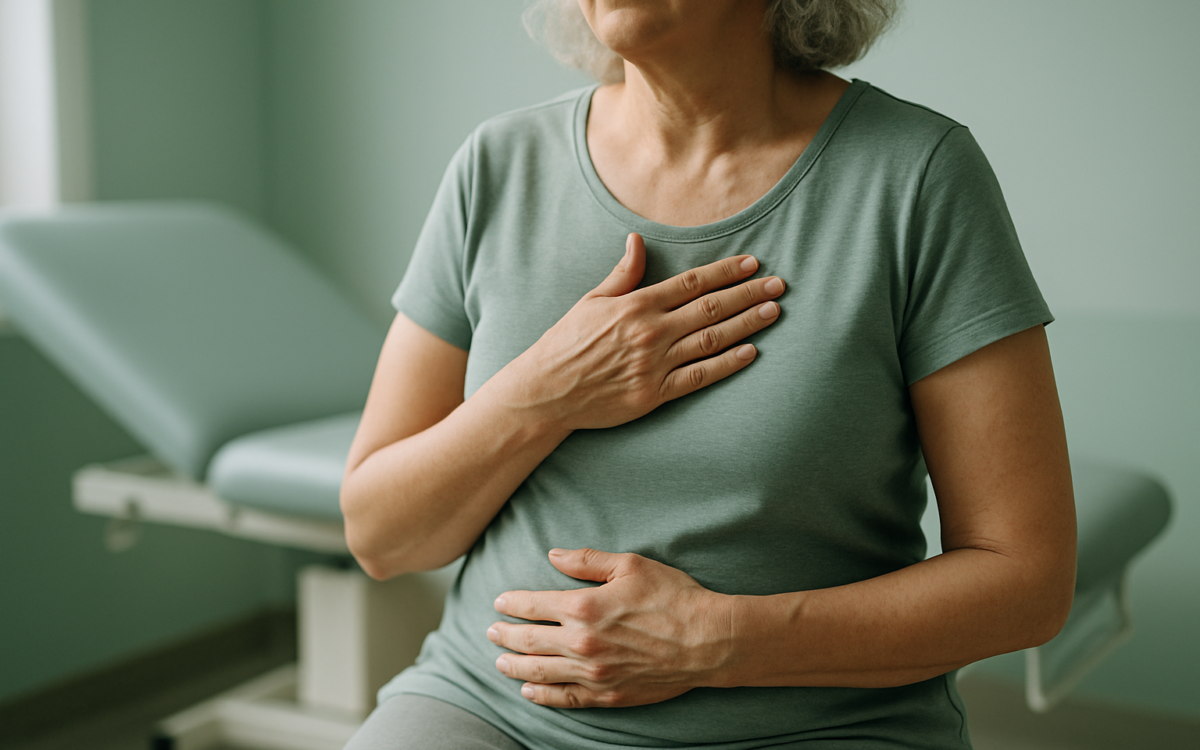
The change of life, often referred to as menopause, is a significant milestone in a woman’s life. It marks the end of the reproductive years and brings about various physical and emotional changes. Many women wonder when this shift typically begins and what it entails. Understanding the stages of menopause can help you better prepare for this natural transition.
Defining Menopause and Its Stages
Menopause is defined as the point in a woman’s life when menstrual periods stop for 12 consecutive months, usually occurring in their late 40s to early 50s. However, the process leading up to menopause begins with perimenopause, which can start several years before menstruation ceases.
The Stages of Menopause
- Perimenopause: Often starting in the 40s, perimenopause is the transition period leading up to menopause. During this phase, hormone levels fluctuate, causing changes in menstrual cycles and various symptoms.
- Menopause: This is officially diagnosed when a woman has not had a menstrual period for 12 consecutive months. The average age for menopause onset in the US is 51.
- Postmenopause: This stage follows menopause and lasts for the rest of a woman’s life. Hormone levels stabilize at lower rates, and symptoms of menopause may continue or new health risks may emerge.
What Age Does the Change of Life Start?
Most women start to experience signs of perimenopause between the ages of 40 and 44. Some may notice changes in their cycles, such as irregular periods or heavier bleeding. It’s important to remember that each woman’s experience is unique, and the timing of these changes can vary widely.
According to the National Institutes of Health, while the average age of menopause is 51, it can occur anywhere between 45 and 55 years. Certain factors, such as genetics, lifestyle, and health history, can influence when menopause occurs.
Early Menopause: Causes and Considerations
In some cases, women may experience early menopause, defined as menopause that occurs before the age of 45. This can happen for various reasons, including:
- Genetics: If your mother or sister experienced early menopause, you may be at higher risk.
- Medical Treatments: Certain medical procedures, like oophorectomy (removal of ovaries) or treatments such as chemotherapy and radiation, can lead to early menopause.
- Health Conditions: Conditions like autoimmune diseases or thyroid disorders can impact hormonal balance, leading to menopausal changes earlier in life.
Common Symptoms of Menopause
The transition into menopause can come with a variety of symptoms, primarily due to fluctuating hormone levels. Some common symptoms include:
- Hot flashes and night sweats
- Changes in menstrual cycle
- Sleep disturbances
- Mood swings and irritability
- Vaginal dryness and discomfort during intercourse
While some women may experience mild symptoms, others may find these changes challenging. Understanding that these symptoms are a normal part of aging can help women cope with the transition.
How to Prepare for the Change of Life
Preparing for menopause involves both physical and emotional strategies. Here are some approaches that may help women navigate this transition more smoothly:
- Stay Informed: Educating yourself about what to expect can alleviate anxiety. Consider speaking with a healthcare provider about your concerns.
- Healthy Lifestyle: Regular exercise, a balanced diet, and adequate sleep can help manage symptoms. Activities like yoga or meditation can also promote emotional well-being.
- Support Network: Connecting with friends or support groups can offer comfort and shared experiences as you navigate this transition.
When to See a Doctor
While changes during perimenopause and menopause are normal, certain symptoms may require medical attention. You should consult a healthcare provider if you experience:
- Severe mood swings or depression
- Prolonged heavy bleeding
- Extreme hot flashes that disrupt daily life
- Any new changes in your health that concern you
Your healthcare provider can discuss potential treatments that may help alleviate symptoms and assist you in managing your overall health during this significant transition.
Conclusion
The change of life is a natural process that every woman will face, typically starting in her 40s with the onset of perimenopause. Understanding the age ranges and symptoms associated with menopause can empower women to embrace this new chapter of their lives. Remember that each woman’s journey is unique, and seeking support can make this transition smoother. If you have any questions or concerns, don’t hesitate to reach out to a healthcare professional.
