
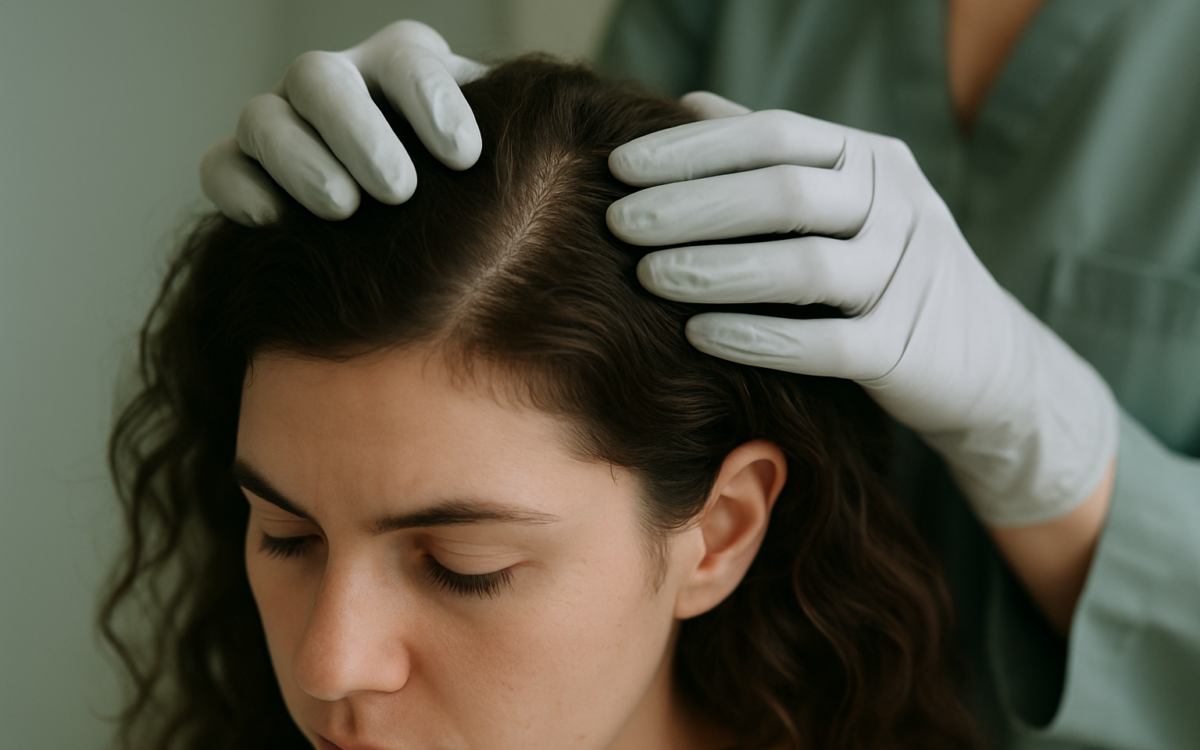
Polycystic Ovary Syndrome (PCOS) is a hormonal disorder affecting many women of reproductive age. Among its various symptoms, changes in hair growth patterns can be one of the most distressing. Understanding how PCOS influences hair can empower individuals to seek appropriate management strategies. This article explores the different aspects of PCOS hair issues, from excess hair growth to thinning, and how to navigate these challenges.
What is PCOS?
PCOS is a common condition characterized by hormonal imbalance, irregular menstrual cycles, and multiple small cysts in the ovaries. According to the National Institutes of Health, PCOS affects between 6% to 12% of women worldwide. Hormonal fluctuations associated with PCOS can lead to various symptoms, including weight gain, acne, and hair abnormalities.
How PCOS Affects Hair Growth
The relationship between PCOS and hair growth involves hormones called androgens. Women with PCOS often have elevated levels of androgens, such as testosterone, which can lead to two main hair issues: hirsutism and hair thinning.
Hirsutism: Excess Hair Growth
Hirsutism is a condition characterized by excessive hair growth in areas of the body where men usually grow hair, such as the face, chest, and back. It affects a significant number of women with PCOS and can impact self-esteem and quality of life. Treatment for hirsutism may include:
- Medications: Hormonal therapies, like birth control pills, can help regulate hormones and reduce hair growth.
- Topical treatments: Eflornithine cream can be applied to the face to slow hair growth.
- Hair removal techniques: Options like waxing, threading, or laser hair removal can provide temporary to permanent solutions.
Hair Thinning: Understanding Alopecia
On the other hand, some women with PCOS experience hair thinning, especially on the scalp, referred to as female pattern hair loss. This condition is also linked to hormonal changes and can be caused by increased androgen levels. Common approaches to manage hair thinning include:
- Minoxidil: An over-the-counter topical solution that can promote hair growth and help with thinning.
- Nutritional support: A balanced diet rich in vitamins and minerals may support overall hair health.
- Consulting a dermatologist: A specialist can provide tailored strategies to address hair loss effectively.
Diet and Lifestyle Approaches
Managing PCOS hair issues often involves looking at broader lifestyle changes. Diet and exercise are crucial components in managing insulin levels and hormonal balance.
Nourishing Foods for Hair Health
Incorporating certain foods into your diet can help improve overall hair health. Consider including:
- Protein-rich foods: Eggs, fish, nuts, and legumes support hair growth.
- Iron and zinc sources: Spinach, beans, and fortified cereals can help promote strong hair.
- Healthy fats: Avocados, olive oil, and fatty fish provide essential fatty acids for hair vitality.
Regular Physical Activity
Exercise can greatly impact PCOS symptoms, including hair growth issues. Regular physical activity helps in maintaining a healthy weight, reducing insulin resistance, and balancing hormones. Aim for a mix of cardiovascular, strength training, and flexibility exercises, which may help alleviate some symptoms of PCOS.
Emotional Support and Well-being
Living with PCOS can be emotionally challenging, especially when dealing with hair changes that affect self-image. Seeking support from friends, family, or support groups can be beneficial. Additionally, mental health professionals can offer strategies for coping with feelings of anxiety or depression that may arise from the condition.
Self-Care Practices
Incorporating self-care practices into your routine can be very helpful:
- Mindfulness and meditation: These techniques can help manage stress and improve overall well-being.
- Skincare routine: Developing a skincare regimen can help enhance self-image.
- Connecting with others: Engaging with communities dealing with similar challenges can promote feelings of understanding and acceptance.
When to See a Doctor
If you notice persistent changes in your hair, such as excessive hair growth or thinning, consult your doctor. They can provide appropriate assessments and discuss potential treatments tailored to your specific situation. Early intervention can lead to better management and improved quality of life.
Conclusion
Understanding the connection between PCOS and hair changes can be empowering for those affected by the condition. While issues like hirsutism and hair thinning can be challenging, various management strategies can help improve hair health and overall well-being. By combining medical treatment, dietary adjustments, and self-care practices, individuals with PCOS can take proactive steps towards managing their hair and health.
