
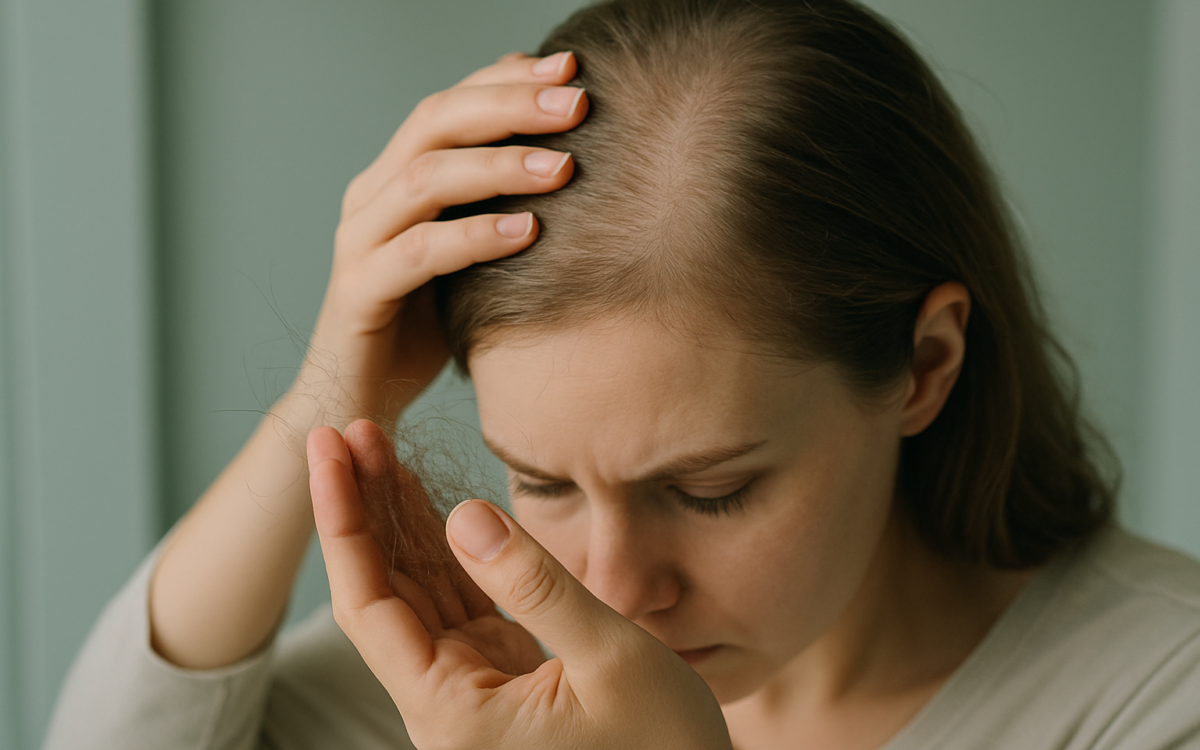
Noticing more hair in your brush or on your pillow can be alarming. Whether you’re experiencing a gradual thinning or sudden loss, understanding the reasons behind hair dropping out is crucial. In this article, we will explore various factors contributing to hair loss, debunk myths, and provide you with practical tips to improve your hair health.
Common Causes of Hair Loss
Hair loss, or alopecia, can happen for various reasons. While some are hereditary, others can be influenced by lifestyle, health, and environmental factors. Here are some common causes:
- Genetic Factors: Male and female pattern baldness is often hereditary. If hair loss runs in your family, you may be more likely to experience it.
- Hormonal Changes: Hormones significantly impact hair growth. Conditions like thyroid issues or hormonal changes during puberty or menopause can lead to hair loss.
- Stress: High levels of physical or emotional stress can trigger telogen effluvium, a condition where hair follicles enter a resting phase, leading to shedding.
- Poor Nutrition: A diet lacking essential vitamins and minerals, particularly iron and protein, can weaken hair and lead to loss.
- Certain Medical Conditions: Conditions like alopecia areata, scalp infections, and autoimmune diseases can contribute to hair dropping out.
Understanding Different Types of Hair Loss
Not all hair loss is the same. Recognizing the type can help in managing it effectively:
- Androgenetic Alopecia: Often referred to as male pattern baldness, this genetic condition causes hair to thin at the crown, temples, or along the hairline.
- Telogen Effluvium: This temporary condition can occur after major life events like surgery, childbirth, or severe stress, where hair temporarily falls out.
- Alopecia Areata: An autoimmune disorder where the body’s immune system attacks hair follicles, resulting in sudden patches of hair loss.
- Traction Alopecia: Caused by hairstyles that pull on the hair, like tight ponytails or braids, leading to gradual loss over time.
Impact of Nutrition on Hair Health
The saying “you are what you eat” holds true when it comes to hair health. A balanced diet can significantly influence the strength and growth of your hair:
- Protein: Hair is made primarily of protein. Ensure you’re including enough high-quality proteins, like eggs, fish, chicken, and nuts in your meals.
- Vitamins: Vitamins A, C, D, and E, as well as B vitamins (especially biotin), are crucial for hair growth. Fruits, vegetables, nuts, and whole grains can help provide these nutrients.
- Minerals: Iron and zinc play significant roles in hair health. Incorporate sources like leafy greens, beans, lentils, and lean meats into your diet.
Managing Stress for Better Hair Health
As mentioned earlier, stress can lead to hair loss. Managing it through various techniques can benefit both your mental health and your hair:
- Mindfulness Practices: Techniques like meditation and yoga can help alleviate stress and promote relaxation.
- Regular Exercise: Physical activity is a natural stress reliever, enhancing mood and overall well-being.
- Sleep Hygiene: Ensure you’re getting enough restorative sleep, as lack of sleep can further exacerbate stress and hair loss.
Hair Care Practices to Promote Growth
Your daily hair care routine can make a significant difference in maintaining hair health:
- Gentle Washing: Avoid harsh shampoos that strip natural oils. Look for sulfate-free options to cleanse without damaging.
- Regular Conditioning: Condition your hair regularly to keep it hydrated and reduce breakage. Natural oils such as coconut or argan oil can be beneficial.
- Avoid Heat and Chemicals: Limit the use of heat styling tools and chemical treatments, as they can weaken hair over time.
When to See a Doctor
If you find that your hair loss is excessive or accompanied by other symptoms, it may be time to consult a healthcare professional. Conditions like rapid hair loss, patches of baldness, or scalp pain should be evaluated by a doctor. They can help determine the cause and recommend appropriate treatment options. For more information, you can visit resources from the National Institutes of Health or the Mayo Clinic.
Conclusion
Experiencing hair dropping out can be distressing, but understanding the various causes and taking proactive steps can help you manage the situation. Whether through dietary changes, stress management, or improved hair care practices, you have the power to influence your hair health. Remember, if you have concerns, don’t hesitate to seek advice from a healthcare professional.
