
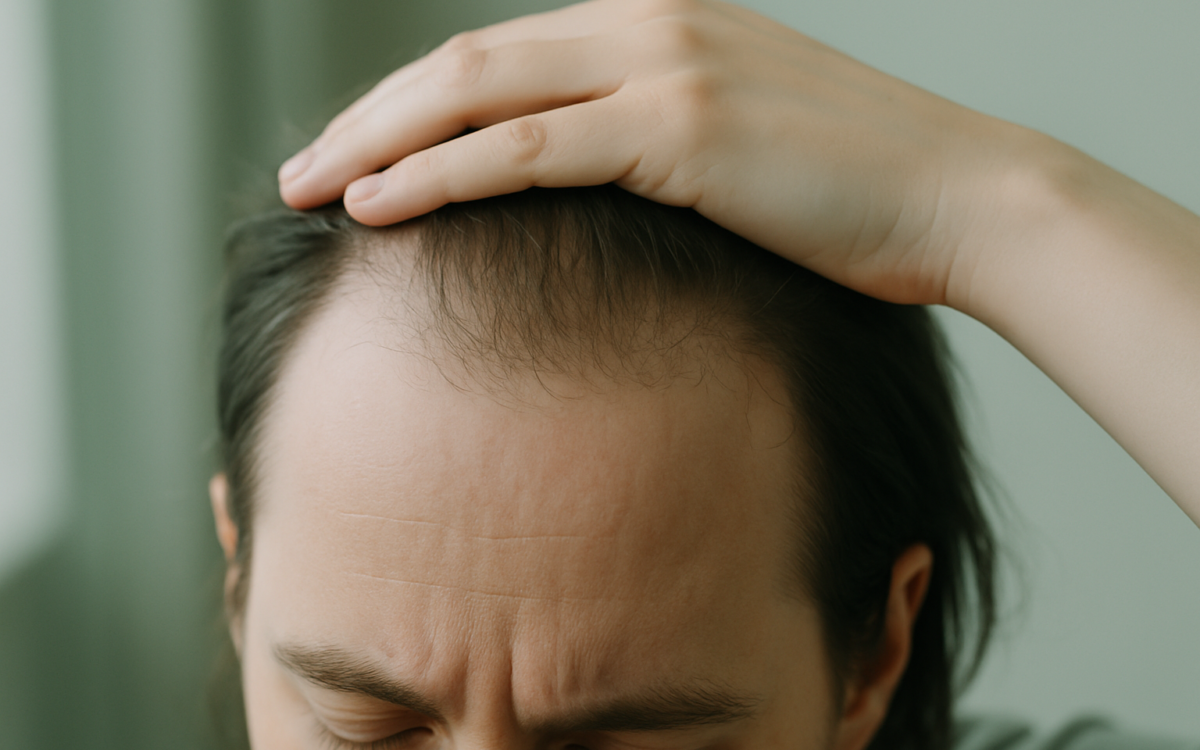
If you’ve recently noticed your hairline falling out or receding, you may be feeling concerned or confused. You’re not alone; many people experience changes in their hair as they age or due to various factors. Understanding why this happens can be the first step towards addressing it and possibly reversing the effects.
What is a Hairline?
Your hairline is the edge of your hair on your forehead, where your hair meets your skin. It’s often one of the first places people notice changes when it comes to hair loss. A receding hairline typically starts above the temples and can gradually move back, leading to a more pronounced forehead.
Common Causes of Hairline Recession
There are several reasons why your hairline might be falling out or receding:
- Genetics: One of the most common causes of hair loss is a hereditary condition called androgenetic alopecia, or male-pattern baldness. If your father or grandfather experienced hair loss, you may be at higher risk.
- Hormonal Changes: Hormones play a crucial role in hair growth. Conditions such as hormonal imbalances, thyroid issues, or increased levels of dihydrotestosterone (DHT) can contribute to hair loss.
- Stress: Physical or emotional stress can trigger temporary hair loss known as telogen effluvium, where hair follicles enter a resting phase and fall out.
- Medical Conditions: Certain diseases such as alopecia areata, which causes patchy hair loss, or skin conditions can lead to changes in your hairline. Scalp infections can also result in hair thinning.
- Poor Nutrition: A diet lacking essential nutrients can impact hair health. Deficiencies in vitamins A, D, E, biotin, and zinc may lead to hair shedding.
Identifying Hair Loss Patterns
Understanding how and when your hairline is changing can help you communicate effectively with a healthcare provider. Typically, hair loss can be categorized as:
- Gradual Recession: This is common in male-pattern baldness, where the hairline gradually recedes over many years.
- Sudden Hair Loss: This can occur due to stress or medical issues and may affect the hairline unexpectedly.
- Patchy Loss: Conditions such as alopecia areata cause sudden hair loss in patches, sometimes including the hairline.
Preventative Measures and Treatments
If you’re noticing your hairline falling out, you may wonder what steps you can take. Some preventative measures and treatment options include:
- Healthy Diet: Ensure you’re eating a balanced diet rich in nutrients that promote hair health, including proteins, vitamins, and minerals.
- Stress Management: Engage in relaxation techniques such as yoga, meditation, or exercise to help reduce stress levels.
- Topical Treatments: Over-the-counter products, such as minoxidil, can encourage hair growth in some individuals. Always consult with a healthcare professional before starting any new treatment.
- Prescription Medications: Doctors may prescribe finasteride or other medications to slow hair loss and encourage regrowth.
- Hair Transplant Surgery: For significant hair loss, hair transplant procedures are an option that some men consider.
Natural Remedies and Lifestyle Changes
Some individuals seek natural or alternative treatments to address their hairline concerns. While evidence is limited, you might consider:
- Essential Oils: Oils like rosemary or peppermint have been studied for their potential to stimulate hair growth.
- Aloe Vera: Its soothing properties may help in maintaining a healthy scalp.
- Regular Scalp Massage: This can improve circulation and may enhance hair growth.
Psychological Effects of Hair Loss
It’s important to recognize that hair loss can impact mental health. Many people experience feelings of self-consciousness, anxiety, or depression due to changes in their appearance. It can be helpful to talk to friends, family, or a mental health professional about how you’re feeling. Support groups for those experiencing hair loss can also provide comfort and sharing of experiences.
When to See a Doctor
If you’re experiencing significant hair loss or changes in your hairline, it may be time to consult a healthcare professional. You should seek medical advice if:
- You notice sudden or patchy hair loss
- Your hair loss is accompanied by itching or pain
- You have a family history of skin disorders or hair loss
A healthcare provider can help determine the cause of your hairline changes and suggest appropriate treatments or referrals to specialists.
For more in-depth information on hair loss, you can visit reputable sources such as the National Institutes of Health and the Mayo Clinic.
Understanding your hairline’s health is the first step toward taking action. No matter the cause of your hairline changes, knowing that solutions exist can offer hope for healthier hair.
