
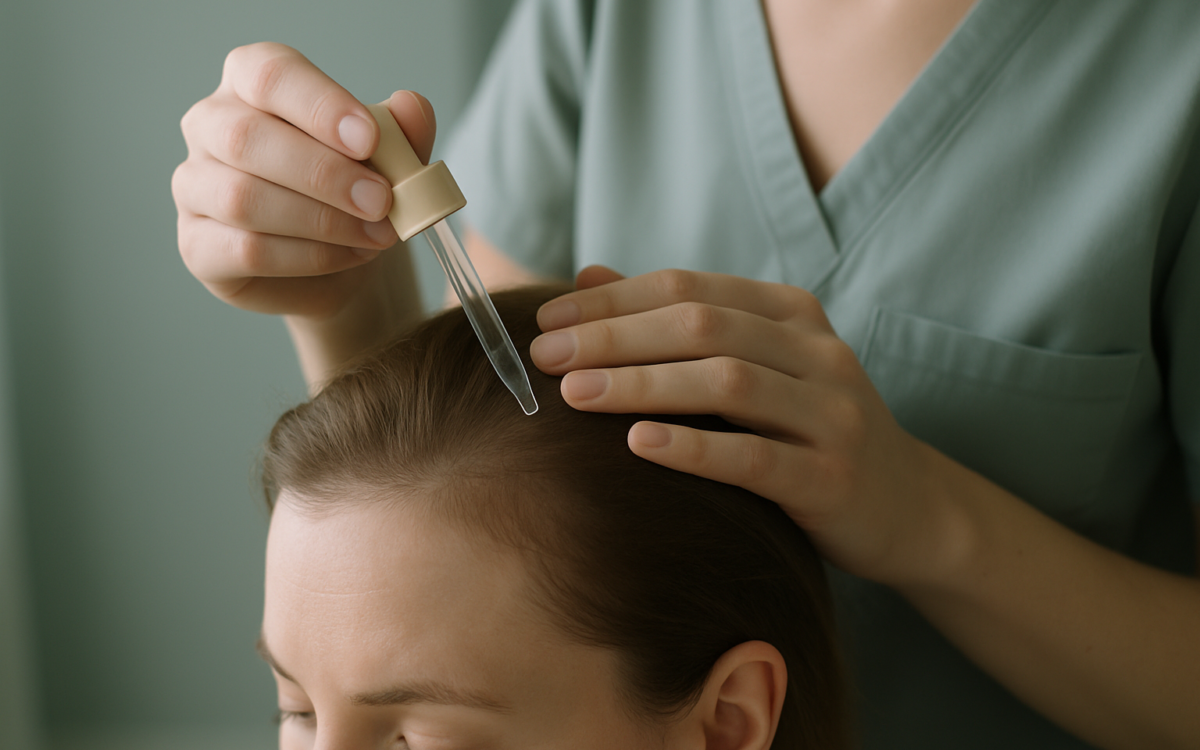
Many people experience changes in their hairline as they age, and this can raise concerns about hair loss and overall hair health. Understanding the factors that contribute to hairline growth, or the lack thereof, is key to promoting healthier hair. In this article, we will explore the causes of hairline changes, potential remedies, and when to seek professional advice.
What Influences Hairline Growth?
The hairline is influenced by a variety of factors, including genetics, hormonal changes, and environmental stressors. Let’s take a closer look at some of the main contributors to hairline changes:
Genetics
Your genetic makeup plays a significant role in hair growth patterns. Male pattern baldness, also known as androgenetic alopecia, is a common hereditary condition. It typically begins with a receding hairline and thinning at the crown. Understanding your family history can provide insights into your own hairline development.
Hormonal Changes
Hormonal fluctuations play a crucial role in hairline growth. Conditions such as androgen excess or a decrease in testosterone can lead to hair loss. Men often experience hairline changes due to dihydrotestosterone (DHT), a hormone derived from testosterone that can shrink hair follicles and accelerate hair loss. Consult the NIH for more in-depth information on this topic.
Environmental and Lifestyle Factors
Beyond genetics and hormones, various environmental and lifestyle factors can affect your hairline:
- Diet: A poor diet lacking essential nutrients can weaken hair. Consuming a balanced diet rich in vitamins and minerals, particularly iron, zinc, and biotin, is vital for healthy hair.
- Stress: High levels of stress may lead to hair loss conditions like telogen effluvium, where hair follicles enter a resting phase and shed more than usual.
- Hair Care Practices: Over-styling, harsh chemicals, and heat treatments can damage hair and lead to breakage and thinning. Gentle hair care can help maintain a healthy hairline.
Common Conditions Affecting Hairline Growth
Several medical conditions can directly impact hairline growth, including:
Alopecia Areata
This autoimmune condition causes sudden hair loss in patches. While it can affect the scalp and beard area, it can also impact the hairline. Fortunately, many individuals experience regrowth over time, but treatment options may speed up the process.
Thyroid Disorders
Both hypothyroidism and hyperthyroidism can cause hair thinning and changes in hair texture. If you suspect a thyroid issue, it is important to consult a healthcare provider for testing and treatment options.
Promoting Healthy Hairline Growth
While some hairline changes may be unavoidable, there are strategies to promote healthier hair growth:
Nutrition
Include foods rich in omega-3 fatty acids, vitamins B, C, D, and E, as well as iron and protein. A well-rounded diet supports not only hair growth but overall health.
Stress Management
Incorporate stress-reducing activities such as exercise, meditation, or yoga into your daily routine. These practices can help mitigate stress-related hair loss.
Hair Care Routine
Be gentle with your hair. Use a mild shampoo, avoid excessive heat styling, and consider natural oils to maintain moisture. Regular scalp massages may also stimulate circulation and improve hair health.
Medical Treatments for Hairline Growth
For individuals looking for more definitive solutions to hairline growth, several medical and surgical options exist:
Medications
Minoxidil (Rogaine) and finasteride (Propecia) are FDA-approved medications that have shown effectiveness in treating hair loss. Minoxidil is a topical treatment that can help regrow hair, while finasteride works by inhibiting the formation of DHT. Always consult a healthcare professional for personalized advice and to understand possible side effects.
Hair Transplant Surgery
For more significant hair loss, hair transplant surgery is a possibility. During the procedure, hair follicles from other areas of the body are relocated to the thinning or balding areas. This option is typically considered for individuals with advanced hair loss.
When to See a Doctor
If you notice sudden or extensive hair loss, changes in hair texture, or areas of baldness that concern you, it may be time to consult a healthcare provider. They can help diagnose any underlying conditions and suggest appropriate treatments. For more detailed information on hair loss, you may refer to reputable sources like the Mayo Clinic.
Overall, understanding hairline growth involves a combination of genetic understanding, health awareness, and proactive habits. With the right knowledge and approach, you can support your hair health and address any concerns effectively.
