
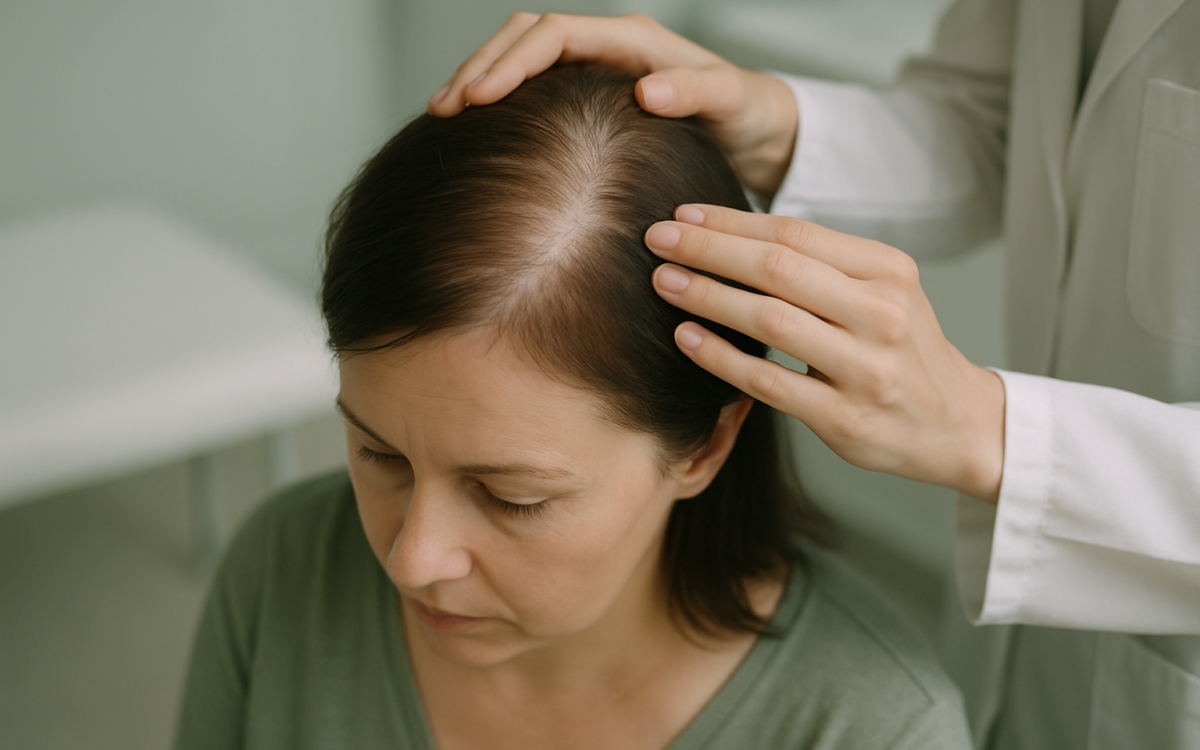
Hair thinning can be a distressing issue for many women, affecting not only their appearance but also their confidence. Whether you’re experiencing a gradual change or sudden loss, understanding the root causes can empower you to explore solutions and feel more in control. Let’s take a closer look at the reasons behind ladies’ hair thinning and what steps can be taken to address it.
Common Causes of Ladies’ Hair Thinning
There are numerous factors that can contribute to hair thinning in women. Understanding these can help in determining appropriate remedies.
Genetic Factors
One of the leading causes of hair thinning among women is hereditary hair loss, also known as androgenetic alopecia. This condition affects millions of women, typically leading to a gradual thinning of hair on the top and crown of the head. Women often experience this type of hair loss after menopause, but it can start at any age.
Hormonal Changes
Hormones play a significant role in hair growth. Fluctuations during events such as pregnancy, childbirth, menopause, or discontinuation of birth control can lead to temporary or permanent hair thinning. Conditions like polycystic ovary syndrome (PCOS) are also known to affect hormone levels and, subsequently, hair health.
Medical Conditions and Treatments
Certain medical conditions can trigger hair thinning as a symptom. Thyroid problems, autoimmune diseases like alopecia areata, and scalp infections can contribute to hair loss. Moreover, treatments for underlying conditions, such as chemotherapy for cancer, often lead to significant thinning. The Mayo Clinic provides guidelines for understanding these connections.
Lifestyle Factors Impacting Hair Health
Beyond genetics and health issues, lifestyle choices can significantly influence hair growth and thickness. Here are some key factors to consider:
Nutrition
A balanced diet is crucial for healthy hair. Deficiencies in essential nutrients such as iron, vitamins A and D, and omega-3 fatty acids can lead to hair thinning. To support hair health, incorporate foods rich in these nutrients into your meals. Consider talking to a healthcare professional about the best dietary choices for you.
Stress and Hair Loss
Experiencing high levels of stress can also contribute to hair thinning. Conditions like telogen effluvium occur when the hair growth cycle is disrupted due to stress, resulting in increased hair shedding. Managing stress through techniques such as mindfulness, regular exercise, and adequate sleep may help in alleviating its effects on your hair.
Practical Solutions to Hair Thinning
If you’re concerned about hair thinning, there are several options you might explore. Here are some practical solutions:
Hair Care Practices
- Be gentle with your hair. Avoid harsh treatments, excessive heat, and tight hairstyles that can stress the hair shaft.
- Opt for volumizing shampoos and conditioners that can help add body to fine hair.
- Regularly massage your scalp to stimulate circulation and potentially promote hair growth.
Over-the-Counter Treatments
Products like minoxidil (often known by the brand name Rogaine) are available over-the-counter and have been shown to help with hair regrowth. While results vary from person to person, this treatment can be worth exploring under the guidance of a healthcare provider.
Prescription Options
If over-the-counter treatments do not yield results, it might be useful to consult a doctor about prescription options. Medications such as finasteride may be considered, especially if hormonal issues are identified as a factor.
When to See a Doctor
If you’re experiencing significant hair thinning or loss, it’s essential to consult a doctor. Early evaluation can help rule out underlying health conditions and create a tailored treatment plan. Look for signs such as excessive shedding, patches of baldness, or hair loss following the birth of a child. For more information, the CDC provides resources addressing hair loss and health.
Conclusion
Hair thinning can feel overwhelming, yet understanding its causes and solutions can empower you. With a combination of lifestyle adjustments, proper nutrition, and the right treatments, there are ways to manage and potentially reverse hair thinning. Always consider consulting a healthcare professional to discuss your specific situation for personalized advice. Remember, you’re not alone in this journey, and there are communities and resources ready to support you.
