
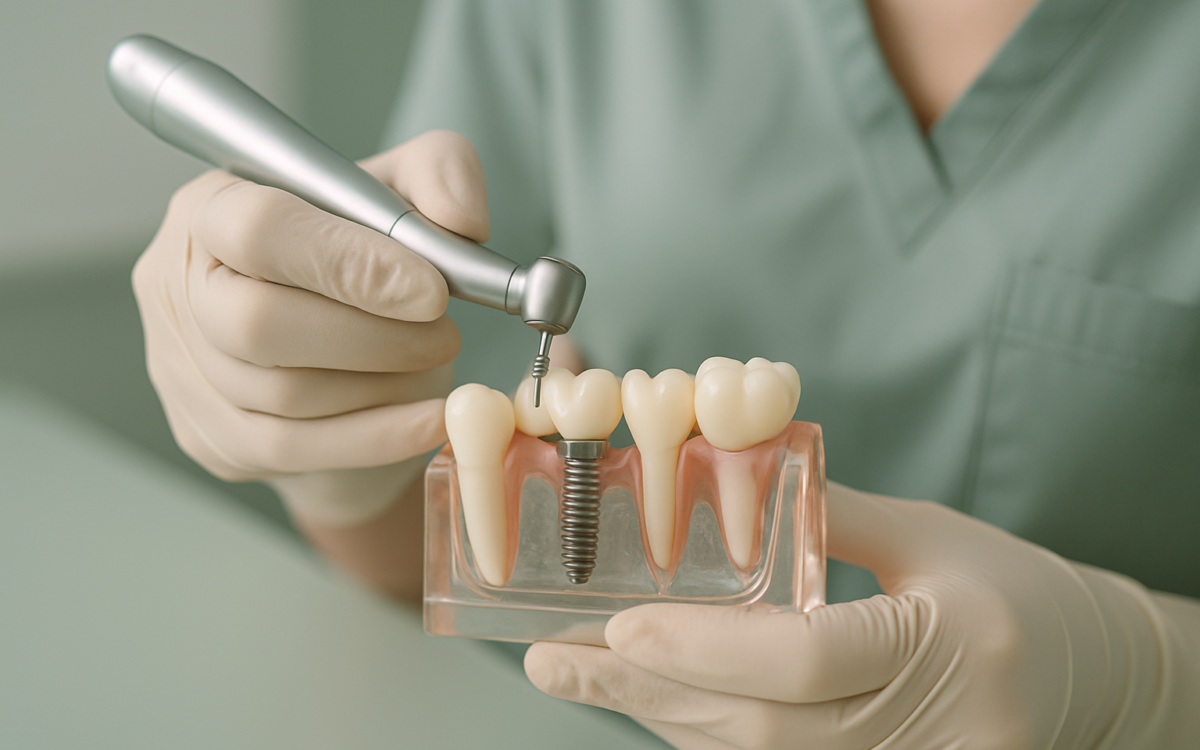
When you lose a tooth, it can impact not just your smile, but also your overall oral health. A tooth implant is a popular solution that helps restore the function and aesthetics of your mouth. Understanding the tooth implant process can help you feel more at ease as you embark on this dental journey.
Initial Consultation: Setting the Stage
The first step in the tooth implant process involves a consultation with your dentist or oral surgeon. During this appointment, they’ll evaluate your dental and medical history and conduct a thorough examination of your mouth.
Expect to discuss:
- Your overall health and any medications you take
- The reasons for your tooth loss and your expectations
- Dental X-rays or 3D imaging to assess the bone structure and determine the best approach
This initial consultation is crucial as it allows your dental professional to develop a personalized treatment plan. If your jawbone has deteriorated, they may recommend a bone graft to provide a stable foundation for the implant.
Planning the Implant: Creating a Roadmap
Once your treatment plan is established, your dentist will discuss the procedure’s more detailed aspects. This stage often involves additional imaging to ensure an accurate fit for the implant. Your surgeon may also review sedation options, including local anesthesia or sedation dentistry, to ensure your comfort during the procedure.
Planning is essential, not just for the placement of the implant but also for the aesthetic result. Your dentist will consider how the implant will align with your natural teeth for a seamless appearance.
The Implant Surgery: What to Expect
The actual surgery is typically performed in a dental office or clinic. In most cases, the process involves these steps:
- Anesthesia: Before starting, the dentist will numb the area to minimize discomfort.
- Implant Placement: The oral surgeon will place a titanium post into the jawbone, which acts as the tooth root. This often requires making a small incision in the gums.
- Healing Cap: After placing the implant, a healing cap may be placed on the post to protect it while the gums heal.
The surgery itself usually takes about 1-2 hours, depending on the complexity of your case. Post-surgery, you may experience swelling, bruising, and mild discomfort, which is common and can generally be managed with prescribed medications.
Osseointegration: A Key Healing Stage
One of the crucial aspects of the tooth implant process is osseointegration. This is when the titanium post fuses with the surrounding jawbone, creating a durable foundation for your new tooth. This phase can take several months, typically around 3 to 6 months, and requires careful monitoring by your dental team.
During osseointegration, it’s important to maintain good oral hygiene and attend follow-up appointments. These check-ups help your dentist assess healing and ensure that the implant is integrating well with the bone.
Abutment Placement and Final Restoration
Once osseointegration is complete, the next step is to place the abutment—this is the piece that connects the implant post to the artificial tooth. This requires a minor procedure where the dentist will expose the implant and attach the abutment. After this, a healing period of about 1-2 weeks will follow to allow your gums to heal around the abutment.
After your gums have healed, the final restoration takes place. An impression of your mouth will be taken to create a custom crown that matches the rest of your teeth. This ensures both functionality and an aesthetically pleasing result. The crown is then securely attached to the abutment, completing the tooth implant process.
Post-Procedure Care: Nurturing Your New Smile
After receiving your new tooth, proper care is essential for long-term success. Here are some tips:
- Maintain excellent oral hygiene: Brush and floss daily, and use an antibacterial mouthwash.
- Attend regular dental check-ups: These appointments help monitor the health of your implant and surrounding teeth.
- Be aware of any unusual symptoms: Report any pain, swelling, or discomfort to your dentist immediately.
With proper care, tooth implants can last for many years, making them a worthwhile investment in your oral health.
When to See a Doctor
If you are experiencing persistent pain, unusual swelling, or signs of infection after receiving a tooth implant, it’s important to consult your dentist. Prompt attention can often mitigate complications and ensure the longevity of your implant.
Overall, understanding the tooth implant process can help alleviate any anxiety you may have. By following your dentist’s recommendations and maintaining good oral hygiene, you can enjoy the benefits of a restored smile for years to come. For more information on dental implants, consider reading resources from reputable sources like the Mayo Clinic and the National Institutes of Health. Always consult with a dental professional for tailored advice and treatment.
