
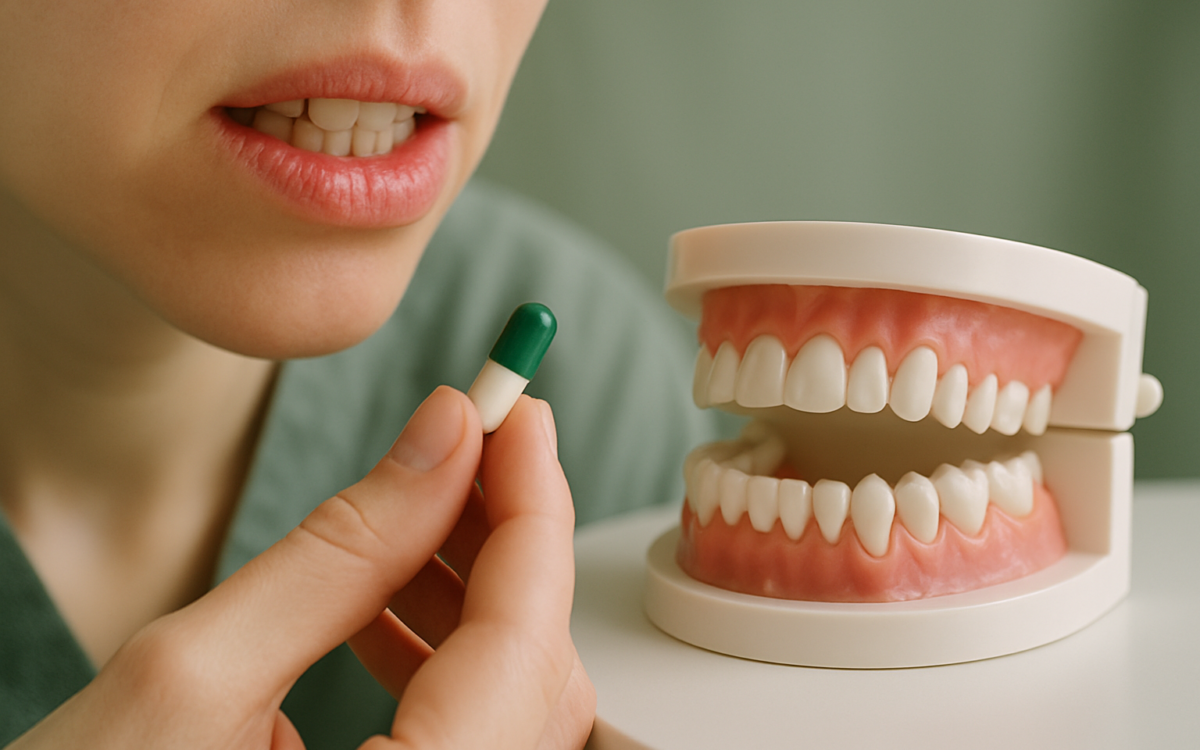
Gum disease, also known as periodontal disease, is a common issue that affects many adults. It begins with inflammation of the gums and can progress to more serious conditions if left untreated. Fortunately, various medications are available to help manage and treat gum disease. This guide explores the different types of medications, their uses, potential side effects, and essential tips for maintaining good oral health.
Understanding Gum Disease
Gum disease can be classified mainly into two stages: gingivitis and periodontitis. Gingivitis is the early stage, characterized by red, swollen gums that may bleed during brushing or flossing. If this condition is not addressed, it can advance to periodontitis, where the infections can damage the bone supporting your teeth, potentially leading to tooth loss.
Types of Gum Disease Medications
When it comes to treating gum disease, several types of medications can be utilized, depending on the severity and specific circumstances of the condition.
Antibiotics
Antibiotics are often prescribed to help eliminate the bacteria that contribute to gum disease. They can be taken orally or applied directly to the gums. Some common antibiotics include:
- Amoxicillin: A penicillin-type antibiotic that is often effective in treating bacterial infections.
- Metronidazole: Frequently used against anaerobic bacteria, this antibiotic can be particularly helpful in managing gum infections.
- Doxycycline: This is used not only for its antibiotic properties but also to reduce inflammation in the gums.
It’s crucial to complete the prescribed antibiotic course even if symptoms improve to ensure all bacteria are eliminated.
Topical Medications
Topical medications are directly applied to the gum area and can be beneficial in treating localized gum issues. These include:
- Chlorhexidine: Often found in mouth rinses, chlorhexidine is an antiseptic that helps reduce bacteria in the mouth.
- Dexamethasone: This steroid medication can help decrease inflammation in the gums when applied directly.
Topical treatments can provide quick relief and are often recommended after dental procedures.
Oral Medications
Besides antibiotics, other oral medications may be prescribed. These include:
- Nonsteroidal anti-inflammatory drugs (NSAIDs): These can help relieve pain and reduce inflammation in the gums.
- Immunomodulators: These medications can help regulate the immune response in chronic cases of gum disease.
Discuss with your dentist which oral medications may be appropriate for you.
Complementary Therapies and Their Role
In addition to medications, other therapies can enhance treatment effectiveness:
Scaling and Root Planing
This deep-cleaning procedure removes plaque and tartar from beneath the gum line, facilitating better healing and health of the gums. It is often the first step before medications are prescribed.
Lasers
Laser therapy can target bacteria in the gums without the need for traditional surgical methods. It can be less painful and promote faster healing.
Potential Side Effects of Gum Disease Medication
While medications play a crucial role in managing gum disease, they may have side effects. Common side effects can include:
- Nausea
- Diarrhea
- Allergic reactions
- Changes in taste
Always discuss potential side effects with your healthcare provider. They can help manage any adverse reactions you may experience.
Good Oral Hygiene Practices
Incorporating good oral hygiene practices into your routine is essential for both preventing and managing gum disease. Here are some tips:
- Brush Twice Daily: Use a soft-bristled toothbrush and fluoride toothpaste to gently brush your teeth for at least two minutes.
- Floss Daily: Flossing helps remove plaque and food particles from between the teeth and under the gum line.
- Regular Dental Checkups: Visiting your dentist regularly for check-ups and professional cleanings can help catch gum disease early.
In addition to these practices, consider adopting a balanced diet that supports oral health, such as consuming fruits, vegetables, and dairy products rich in calcium.
When to See a Doctor
If you notice symptoms of gum disease, such as persistent bad breath, swollen or bleeding gums, or loose teeth, it’s important to seek professional advice. Early intervention can prevent the progression of gum disease and protect your overall oral health.
Conclusion
Gum disease is a significant oral health issue that can have lasting effects if not treated properly. Medications, along with strong oral hygiene practices, play a crucial role in managing and preventing gum disease. Should you suspect gum issues, consult your dentist to explore the best treatment options available for you. By working together with your dental care provider, you can achieve healthier gums and a brighter smile.
