
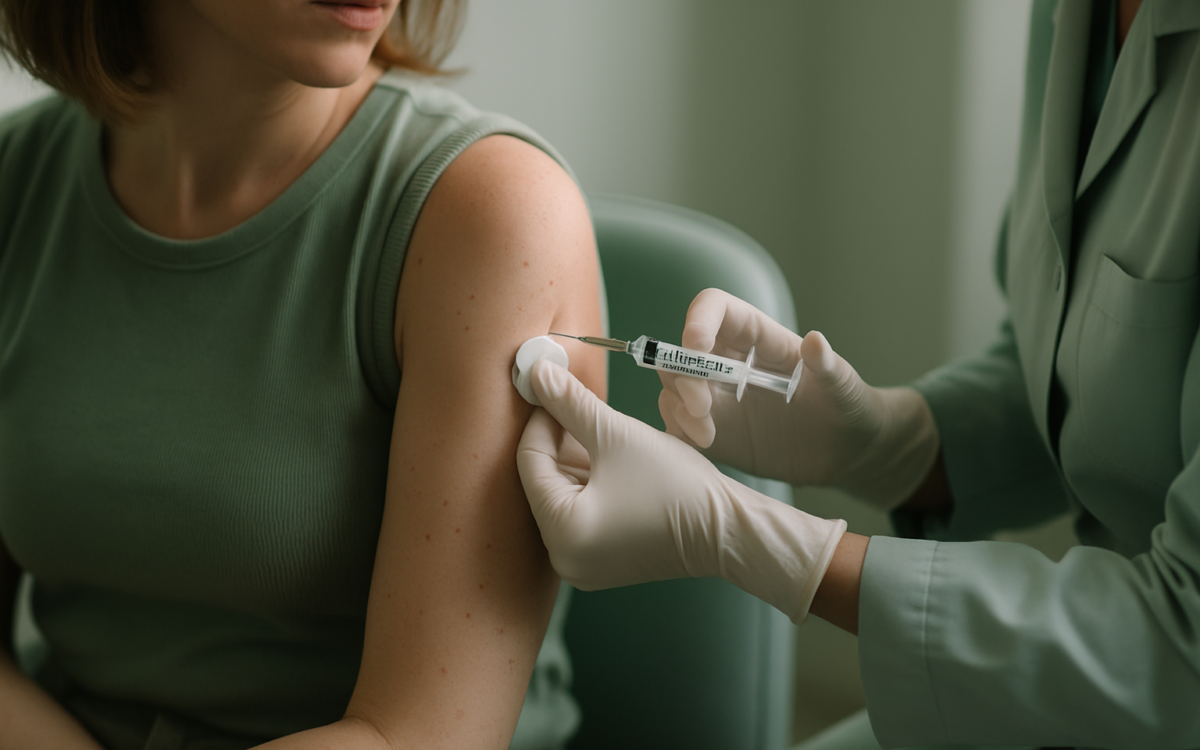
Measles is often thought of as a childhood illness, but it remains a significant health threat even for adults. With outbreaks of measles being reported in various parts of the world, understanding adult vaccination for measles is more important than ever. This article will guide you through the risks of measles, the importance of vaccination, who should get vaccinated, and much more.
The Risks of Measles for Adults
Measles is highly contagious and can lead to serious complications in adults, including pneumonia, encephalitis, and even death. Adults are at a greater risk not just due to their age but also due to the potential for underlying health conditions that may complicate their recovery from the disease. According to the Centers for Disease Control and Prevention (CDC), adults who contract measles can face symptoms that are far more severe compared to children.
The Importance of Vaccination
Vaccination is one of the best ways to protect yourself against measles. The World Health Organization (WHO) emphasizes that vaccines are effective in preventing the spread of diseases like measles. The measles vaccine provides long-lasting immunity, which is vital for individual and community health. When adults get vaccinated, they not only protect themselves, but they also contribute to herd immunity, helping safeguard those who cannot be vaccinated.
Who Should Get Vaccinated?
While many people receive the MMR (measles, mumps, and rubella) vaccine during childhood, some adults may have missed out on this important immunization. The CDC specifically recommends vaccination for:
- Adults born after 1957 who have not had measles or have not been vaccinated.
- Healthcare workers who may be exposed to the virus.
- Individuals traveling internationally to areas with ongoing measles outbreaks.
- College students and others living in close quarters.
- Pregnant women who are at risk of contracting the disease.
If you’re unsure about your vaccination status, it’s important to consult your doctor, who can help determine if you need the vaccine.
Understanding the Vaccine
The MMR vaccine is a safe and effective way to protect against measles. Most people will not experience serious side effects from the vaccine, although minor reactions like soreness at the injection site, fever, or rash can occur. Serious side effects are rare. According to the National Institutes of Health (NIH), the benefits of vaccination far outweigh the risks. The vaccine is typically given in two doses, the first at 12-15 months of age and the second at 4-6 years old, but adults who have never been vaccinated can receive it at any age.
Common Misconceptions About Adult Vaccination
There are many myths surrounding vaccinations that may deter adults from getting vaccinated. Here are some common misconceptions:
- Measles is not a concern for adults: Many people believe measles is only a childhood disease. In reality, measles can affect anyone who is unvaccinated.
- Vaccination is unnecessary if I had measles in childhood: Recovery from measles does provide immunity, but some adults may still benefit from vaccination if they did not have a confirmed case.
- Vaccines are unsafe: Vaccines undergo rigorous testing and monitoring for safety and effectiveness. Serious adverse effects are extremely rare.
Understanding the facts about vaccines can help you make informed decisions about your health.
When to See a Doctor
If you’re unsure about your vaccination status, have experienced exposure to someone with measles, or are considering traveling to an area with measles outbreaks, it’s advisable to consult a healthcare professional. Your doctor can help you assess your needs and recommend whether the MMR vaccine is appropriate for you.
In conclusion, adult vaccination for measles is not just a childhood issue—it’s a vital component of maintaining public health and safety. By getting vaccinated, you protect yourself and others, contributing to a healthier community. Don’t hesitate to consult your doctor to understand your vaccination needs for a healthier tomorrow.
