
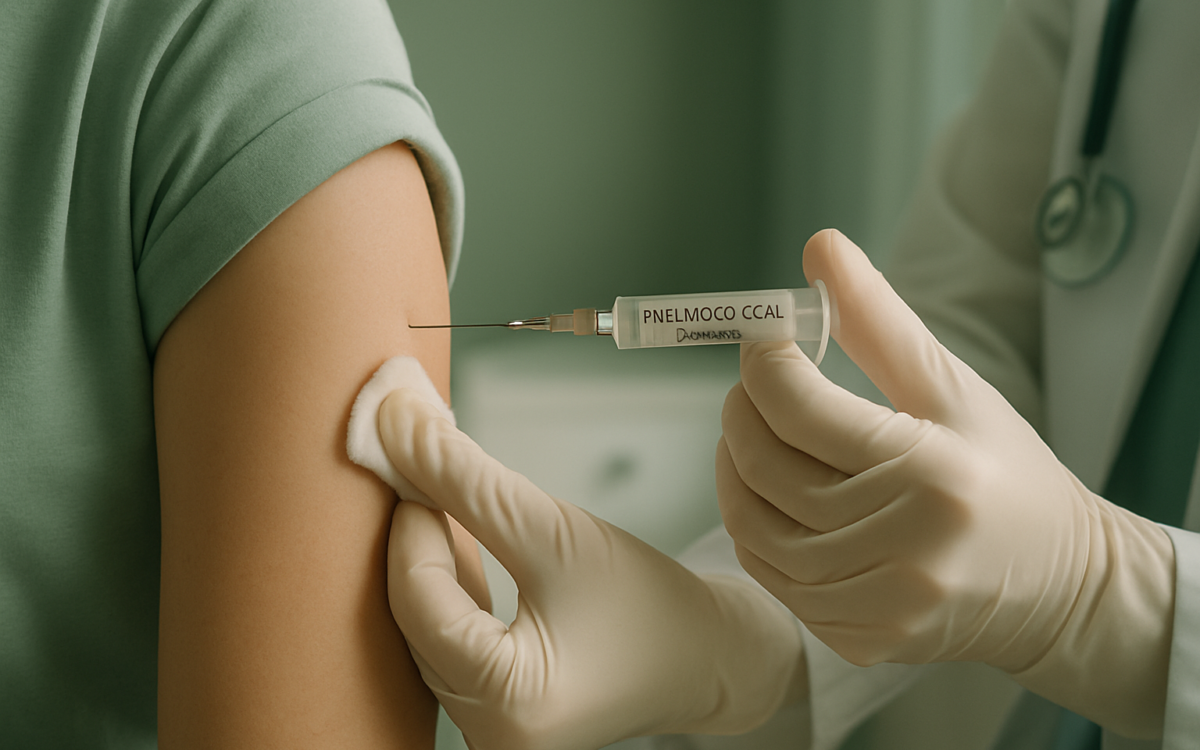
Pneumonia can be a serious illness, particularly for young children, older adults, and people with certain health conditions. Fortunately, vaccines are available to help prevent infections from the bacteria that cause pneumonia, known as pneumococci. This article will help you understand the pneumococcal vaccine schedule, its types, and why it’s important for your health.
What is the pneumococcal vaccine?
The pneumococcal vaccine helps protect against infections caused by Streptococcus pneumoniae, a type of bacteria responsible for lung infections, meningitis, and blood infections. Two types of vaccines are commonly used: the Pneumococcal Conjugate Vaccine (PCV) and the Pneumococcal Polysaccharide Vaccine (PPSV). These vaccines cover various strains of pneumococcal bacteria, significantly reducing the risk of pneumococcal diseases.
Vaccine schedules for children
The Centers for Disease Control and Prevention (CDC) recommends the following schedule for children:
- PCV13: Administered at 2 months, 4 months, 6 months, and between 12 to 15 months.
- PPSV23: Recommended for children 24 months and older who are at higher risk for pneumococcal disease (e.g., those with certain illnesses or weakened immune systems).
Vaccination during early childhood is important, as children are more susceptible to pneumococcal diseases. The vaccine not only protects them but also helps to prevent the spread of these bacteria in the community.
Vaccine schedules for adults
Adults also need protection against pneumococcal disease, particularly individuals aged 65 and older or those with specific health risks. The recommended adult vaccine schedule is as follows:
- PCV15 or PCV20: Recommended for adults aged 65 and older and for those aged 19–64 with certain health conditions. If a person has not received any pneumococcal vaccine previously, a single dose of PCV15 or PCV20 is given.
- PPSV23: After receiving PCV, adults should also get a dose of PPSV23 at least one year later for maximum protection against additional strains.
Vaccination for adults is vital, especially for those who may have weakened immune systems due to chronic diseases such as diabetes, cardiovascular diseases, or conditions that require long-term use of immune-suppressing medication. It’s essential to have a conversation with your healthcare provider about the best schedule that fits your specific health needs.
How vaccines work
Pneumococcal vaccines prepare your body to fight infections. After you receive the vaccine, your immune system responds by creating antibodies. These antibodies provide protection against future infections caused by the specific strains of bacteria covered by the vaccine. Vaccination is a proven strategy to reduce the incidence of serious disease and death from pneumonia.
International considerations
If you’re traveling or living abroad, it’s essential to understand that pneumococcal vaccines might vary by country. The international patient services provided in various healthcare systems offer expert guidance on vaccine availability and recommended schedules. Be sure to check with local health authorities or your healthcare provider before traveling to ensure that you’re adequately protected against pneumococcal disease.
Potential side effects of the vaccine
Like any vaccine, pneumococcal vaccines can cause mild side effects. Common side effects are:
- Soreness or redness at the injection site
- Fever
- Fatigue
- Headache
These side effects are generally short-lived and resolve on their own. Severe allergic reactions are rare but can occur. It’s important to discuss any pre-existing health conditions or allergies with your healthcare provider before vaccination.
When to see a doctor
If you experience any severe or persistent side effects after receiving the vaccine, consult your doctor. Additionally, if you have questions about which vaccines are suitable for you or your family, your healthcare provider can give you personalized advice based on your health history and lifestyle.
Ultimately, staying up to date with your pneumococcal vaccines plays a vital role in public health, helping prevent the spread of disease and protecting vulnerable populations. Keeping in touch with your healthcare provider about your vaccination schedule can help you stay healthier for years to come.
