
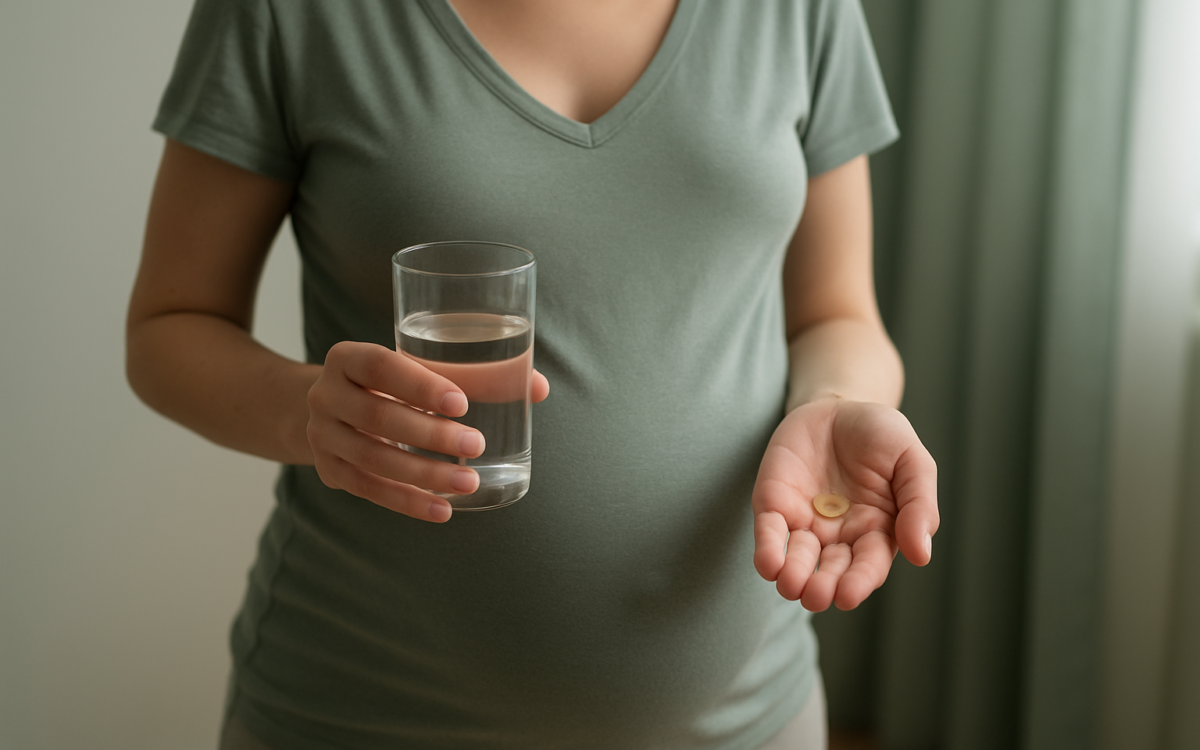
Pregnancy is a beautiful journey, but it also comes with a lot of responsibility. One crucial aspect of having a healthy pregnancy is understanding the role of vitamins. Proper nutrition during this time supports both the mother’s health and the baby’s development. But what vitamins are most important, and how can pregnant women ensure they are getting enough? Let’s dive into the essentials.
Why Are Vitamins Important During Pregnancy?
Vitamins play a key role in many bodily functions. During pregnancy, a woman’s body goes through significant changes, and the demand for essential nutrients increases. Vitamins help in…
- Supporting fetal growth and development.
- Maintaining the health of the mother.
- Preventing pregnancy complications.
For these reasons, it’s vital for pregnant women to understand which vitamins they need and why. The right vitamins can help ensure a smoother pregnancy, delivery, and postpartum recovery.
Essential Vitamins for Pregnant Women
There are several vitamins that pregnant women should pay particular attention to:
1. Folic Acid
Folic acid is one of the most important vitamins for pregnant women. This B vitamin helps prevent neural tube defects and other developmental issues in the brain and spine of the baby. Women are usually advised to start taking folic acid supplements before conception and continue throughout pregnancy.
The recommended daily intake of folic acid is 600 micrograms (mcg) during pregnancy. Foods rich in folate, such as leafy greens, legumes, and fortified cereals, are also beneficial.
2. Iron
Iron is essential for producing hemoglobin, which carries oxygen in the blood. During pregnancy, a woman’s blood volume increases, and her iron needs also rise to support both her and her developing baby. A deficiency in iron can lead to anemia, fatigue, and increased risk of preterm delivery.
The pregnant woman’s daily requirement for iron is about 27 milligrams (mg). Good dietary sources of iron include lean meats, beans, spinach, and fortified grains.
3. Calcium
Calcium is vital for building the baby’s bones and teeth. It is also necessary for maintaining the mother’s bone health. If a pregnant woman does not consume enough calcium, the baby will draw it from the mother’s bones. This can lead to long-term health issues for the mother.
The recommended amount of calcium during pregnancy is 1,000 mg per day for adults. Dairy products, leafy greens, and fortified plant milk are excellent sources of calcium.
4. Vitamin D
Vitamin D helps the body absorb calcium and plays a role in protecting both mother and baby from complications such as gestational diabetes, preeclampsia, and low birth weight. Sunlight is the most natural source of vitamin D, but many people find it hard to get enough from the sun alone.
Prenatal vitamin supplements often include vitamin D. The recommended dietary allowance for pregnant women is 600 International Units (IU) per day.
Possible Risks of Vitamin Overdose
Although vitamins are essential, it’s important to take them in appropriate amounts. Consuming excessive amounts of certain vitamins can pose risks during pregnancy.
- Vitamin A: High doses may cause birth defects and other complications.
- Iron: Too much iron can lead to gastrointestinal issues and toxicity.
Prenatal vitamins are formulated to provide safe levels of nutrients for pregnant women. Always consult with a healthcare provider before starting new supplements.
Balancing Vitamins with a Healthy Diet
While supplements are beneficial, getting vitamins from a balanced diet is equally important. A diet that includes a variety of fruits, vegetables, whole grains, and lean proteins will provide the necessary vitamins and minerals for a healthy pregnancy.
Here are some tips for maintaining a balanced diet:
- Include a range of colorful fruits and vegetables for a variety of nutrients.
- Opt for whole grain foods rather than refined grains.
- Choose lean proteins such as chicken, fish, eggs, and legumes.
- Stay hydrated and limit sugary drinks.
Consulting a registered dietitian can further help pregnant women create a well-rounded meal plan.
When to See a Doctor
It’s important to check in with your healthcare provider throughout your pregnancy, especially if you have concerns about nutrition or vitamin intake. If you’re experiencing symptoms such as fatigue, unusual cravings, or signs of vitamin deficiencies, it’s a good idea to reach out to your doctor. They can offer personalized advice, recommend supplements if needed, and monitor your health as your pregnancy progresses.
Conclusion
Vitamins play an essential role in ensuring a healthy pregnancy for both mother and baby. By focusing on key vitamins like folic acid, iron, calcium, and vitamin D, along with a balanced diet, pregnant women can support their health and the health of their growing child. Remember, consulting with a healthcare provider is crucial in tailoring a vitamin regimen that suits your specific needs during this important time.
