
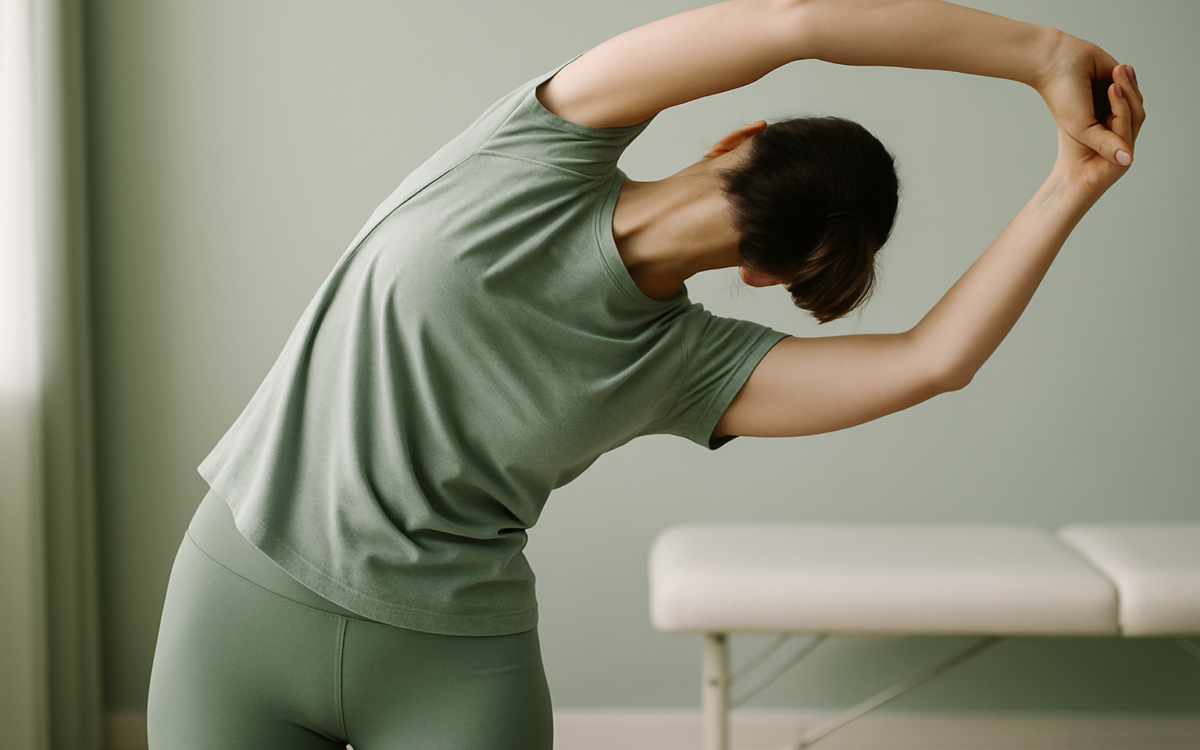
Lateral flexion is a movement that many of us perform in our daily lives, often without even thinking about it. This crucial action involves bending your body sideways, either to the left or right. It plays a significant role in maintaining flexibility, balance, and core strength. Whether you’re reaching for something on the shelf or engaging in your favorite sport, the ability to perform lateral flexion efficiently is essential for overall movement quality.
Understanding Lateral Flexion
Lateral flexion primarily occurs in the spine, particularly in the cervical (neck) and lumbar (lower back) regions. This movement involves the contraction of specific muscles on one side of the body while lengthening the muscles on the opposite side. Key muscles involved in lateral flexion include the obliques and erector spinae.
Benefits of Lateral Flexion
Engaging in exercises that promote lateral flexion can yield numerous benefits that enhance physical health and performance. Here are some key advantages:
- Improved Flexibility: Regular practice of lateral flexion can help maintain and increase the flexibility of your spine and surrounding soft tissues.
- Better Balance: Lateral movements contribute to a more balanced and stable body, reducing the risk of falls and injuries.
- Core Strength: The oblique muscles, crucial for lateral flexion, also play a significant role in stabilizing your core during various activities.
- Enhanced Athletic Performance: Many sports require side-to-side movements. Enhancing your lateral flexibility can improve performance in activities such as basketball, tennis, and dance.
- Reduced Back Pain: Strengthening the muscles involved in lateral flexion and maintaining flexibility can help alleviate strain in the lower back.
Incorporating Lateral Flexion into Your Routine
If you wish to enhance your lateral flexion, consider integrating specific exercises into your routine. Here are a few effective movements:
Side Bends
Muscle Groups Worked: Obliques, Erector Spinae
To perform a side bend, stand with your feet shoulder-width apart. With one arm at your side, lift the opposite hand overhead. Lean to the side, aiming to touch your fingertips down towards your knee. Hold for a moment, then return to standing and switch sides.
Lateral Lunges
Muscle Groups Worked: Glutes, Quadriceps, Adductors
Start by standing straight. Take a wide step to one side, bending the knee of that leg while keeping the opposite leg straight. Return to standing and repeat on the other side.
Cat-Cow Stretch
Muscle Groups Worked: Back, Core
Begin on all fours. As you inhale, arch your back (cow position); as you exhale, round your spine towards the ceiling (cat position). This flow aids in improving spine flexibility, including lateral flexion.
Common Misconceptions About Lateral Flexion
There are several myths surrounding lateral flexion that can be misleading:
- It’s Only for Athletes: While athletes benefit greatly from lateral movements, everyone can benefit from incorporating lateral flexion into their routine, regardless of fitness level.
- It Doesn’t Matter if You Don’t Stretch: Neglecting flexibility work, including lateral flexion, can lead to stiffness and decreased performance in daily activities.
- Lateral Movement is Bad for Your Back: When performed correctly, lateral flexion is beneficial for spine health and can actually strengthen the supporting muscles.
Signs You May Need to Modify Your Lateral Flexion
While lateral flexion is vital for many movement patterns, it’s important to listen to your body. Here are some signs that you may need to adjust your approach:
- Pain: If you experience pain while performing lateral movements, it’s crucial to stop and consult a healthcare professional.
- Reduced Range of Motion: Difficulty performing lateral flexion can indicate stiffness or underlying issues that may need attention.
- Muscle Weakness: If you find one side of your body is significantly weaker than the other during lateral movements, consider seeking guidance from a fitness professional.
When to See a Doctor
If you experience persistent pain, discomfort, or reduced mobility during lateral flexion, consult a healthcare provider. Conditions such as herniated discs, muscle strains, or chronic back pain might require a professional evaluation. Regular check-ups with a healthcare provider can ensure that any underlying issues are caught early on.
Conclusion
Lateral flexion is more than just a movement; it is a key component of healthy living and functional fitness. By understanding its importance and incorporating lateral exercises into your routine, you can enhance your flexibility, strength, and overall health. Remember, if you have any concerns about your ability to perform lateral flexion safely, consult with a healthcare professional or trainer to ensure you’re on the right track.
