
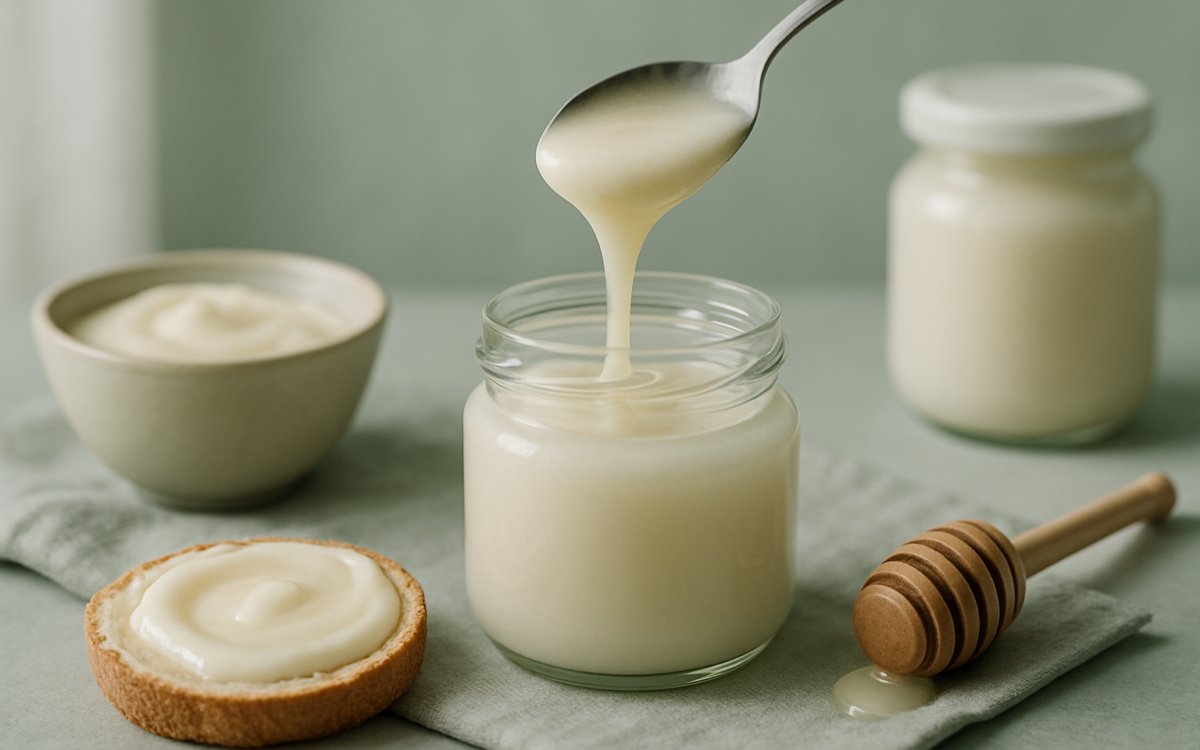
When most people think of honey, they envision the familiar golden syrup that drizzles sweetly over pancakes or adds a rich flavor to teas. However, there exists a lesser-known variety called white honey, which offers unique characteristics and potential health benefits. This article will delve into what white honey is, its production process, nutritional profile, health benefits, and factors to consider when choosing the right type of honey.
What is white honey?
White honey, often referred to as “creamy” or “whipped” honey, is a natural sweetener that gets its light color and creamy consistency from specific floral sources. The color can vary from pale yellow to almost pure white, depending on the type of flowers from which the bees collect nectar. Notably, white honey can be produced from the nectar of a few different types of blossoms, including clover, rapeseed, and certain tree flowers.
How is white honey produced?
The production of white honey is fascinating. Bees collect nectar from flowers and convert it into honey through a process of digestion and evaporation. When the predominant nectar source is from flowers known for light-colored nectar, it results in a lighter-colored honey. The creamy texture that characterizes white honey often arises from a process called crystallization. During this process, the glucose in honey begins to form tiny crystals, which blend with the remaining liquid honey, creating a smooth and spreadable product.
Nutritional profile of white honey
Despite its sweetness, white honey contains essential nutrients and compounds that can be beneficial to health. Here is a brief overview of its nutritional profile:
- Calories: Approximately 64 calories per tablespoon.
- Carbohydrates: Contains about 17 grams of carbohydrates, primarily sugars.
- Vitamins and minerals: Includes small amounts of B vitamins, vitamin C, and minerals like calcium and iron.
- Antioxidants: Contains phenolic compounds that may help neutralize free radicals in the body.
While it’s essential to consume white honey in moderation due to its sugar content, its natural composition offers a healthier alternative to processed sugars.
Health benefits of white honey
White honey comes with several potential health benefits, some of which are supported by scientific research:
1. Antioxidant properties
Studies have shown that honey, including white honey, contains antioxidants that can help protect your cells from oxidative stress and inflammation. Antioxidants are essential for maintaining overall health and may reduce the risk of chronic conditions, such as heart disease and cancer ([National Institutes of Health](https://www.ncbi.nlm.nih.gov/)).
2. Natural energy boost
White honey is a rich source of carbohydrates, particularly natural sugars like fructose and glucose. These sugars provide a quick energy boost, making white honey an excellent option for athletes or those needing an energy pick-me-up during the day.
3. Soothing sore throats
The soothing properties of honey have long been recognized, and white honey is no exception. Its thick, smooth consistency coats the throat, providing relief from irritation and helping to ease coughs. Several studies suggest that honey may be as effective as over-the-counter cough medicines in relieving nighttime cough in children ([World Health Organization](https://www.who.int/)).
4. Wound healing
Topical application of honey, including white honey, has been shown to promote wound healing and reduce the risk of infection. Its natural antibacterial properties can help keep a wound clean while providing moisture to promote skin regeneration.
Choosing and storing white honey
When selecting white honey, pay attention to the quality and source. Here are some tips to help you choose the best product:
- Check the label: Look for raw or unprocessed honey to ensure it retains its nutritional benefits.
- Look for purity: Ensure there are no additives or preservatives listed on the label.
- Source transparency: Choose honey from local or trusted producers to ensure quality and sustainability.
Proper storage is also crucial to maintaining the quality of white honey. Store it in a cool, dry place away from direct sunlight in an airtight container to prevent moisture absorption and spoilage.
Potential risks and considerations
While white honey has several health benefits, it’s essential to be aware of potential risks:
1. Sugar content
Like all honey, white honey is primarily composed of sugars. Consuming it in large quantities can lead to increased blood sugar levels, making it a less suitable option for individuals managing diabetes or those monitoring their sugar intake.
2. Allergies
Some individuals may have allergies to bee products, including honey. If you have known allergies to pollen or bees, consult with a healthcare provider before consuming white honey.
3. Infant toxicity
Honey, including white honey, should not be given to children under one year of age due to the risk of botulism, a rare but serious illness caused by bacteria that may be present in honey.
When to see a doctor
If you experience severe allergic reactions, persistent cough, or any other concerning symptoms after consuming white honey, seek medical attention. It’s always wise to consult with a healthcare provider if you have questions about dietary changes or concerns about your health.
In conclusion, white honey is not only a delicious natural sweetener but also a potential source of health benefits. Its unique taste, versatile uses, and nutritious profile make it an intriguing option compared to traditional honey. Whether you use it to enhance your meals or as a soothing remedy, white honey can be a delightful addition to your pantry. Remember to enjoy it in moderation and consult your healthcare provider if you have any concerns about its effects on your health.
