
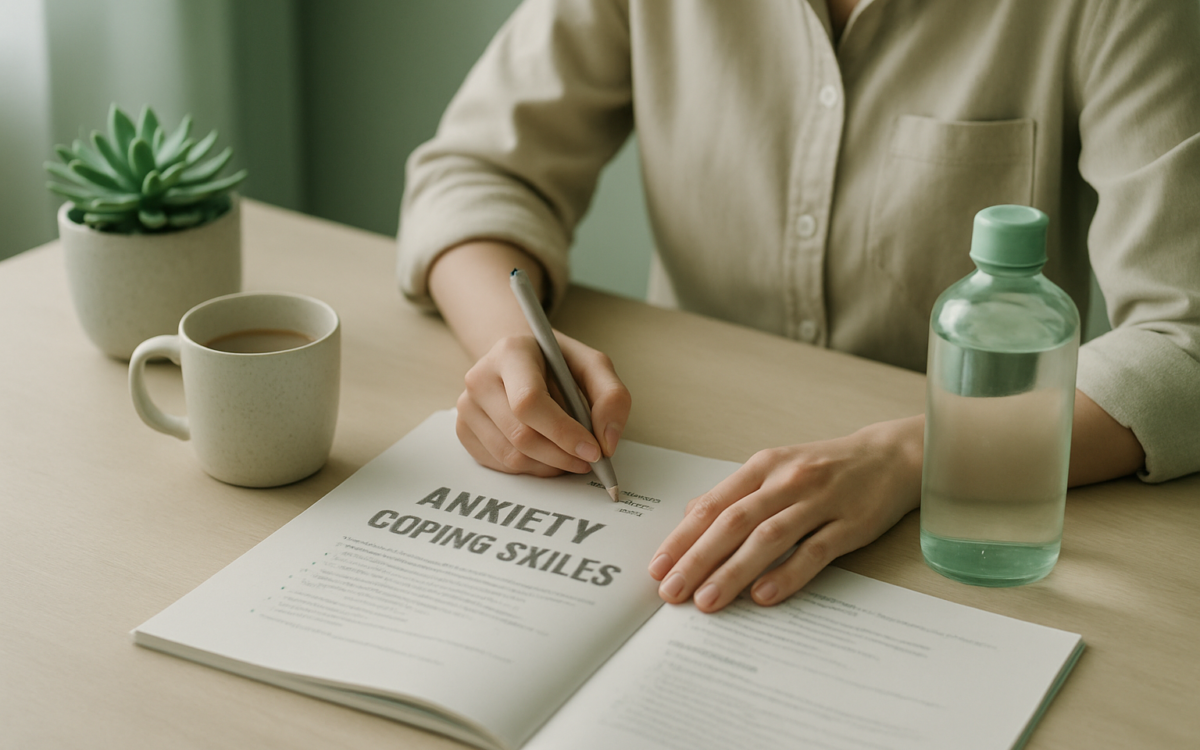
Feeling anxious is something many of us experience at different moments in life. Whether it’s a job interview, a family event, or just the uncertainties of daily living, anxiety can often feel overwhelming. However, developing coping skills can help you manage your emotions better, allowing you to navigate these challenges with greater ease. In this article, we’ll explore practical anxiety coping skills that can empower you to take charge of your feelings and maintain your mental well-being.
Understanding Anxiety
Anxiety is a natural response to stress, but when it becomes excessive, it can hinder your day-to-day life. There are several symptoms of anxiety, including restlessness, rapid heartbeat, sweating, and trouble concentrating. It’s helpful to identify what triggers your anxiety, as understanding the root cause can be the first step toward managing it effectively.
Breathing Techniques to Calm Your Mind
One of the simplest yet most effective coping skills for anxiety is deep breathing. When you’re feeling anxious, your body’s natural reaction is to take quick, shallow breaths. By practicing deep breathing, you can activate your body’s relaxation response.
- Diaphragmatic breathing: Sit comfortably and place one hand on your chest and the other on your belly. Inhale deeply through your nose, letting your belly rise instead of your chest. Exhale slowly through your mouth. Repeat for several minutes.
- 4-7-8 technique: Inhale through your nose for 4 seconds, hold your breath for 7 seconds, and then exhale slowly through your mouth for 8 seconds. This method can help calm your nervous system.
Mindfulness and Meditation
Mindfulness involves being present in the moment and accepting your feelings without judgment. Practicing mindfulness can significantly help in reducing anxiety levels.
Consider including a short meditation session into your daily routine. Apps and online resources can guide you in practicing mindfulness meditation. Even spending a few minutes a day focusing on your breath or observing your thoughts without engaging with them can create a sense of peace.
Physical Activity: Move to Improve
Exercise is a powerful way to combat anxiety. When you engage in physical activity, your body releases endorphins, which are chemicals that promote a sense of well-being. Regular exercise can significantly reduce anxiety and improve overall mental health.
- Walking: A simple brisk walk in nature can uplift your mood and help clear your mind.
- Yoga: This combines physical postures with breath control and meditation, making it an excellent practice for reducing anxiety.
- Dancing: Letting loose with your favorite tunes can offer a fun way to lift your spirits and get your body moving.
Establishing a Routine
Creating a daily routine can provide structure and predictability amidst feelings of anxiety. When your days are organized, it can lessen the feeling of chaos and help you feel more in control. Here are a few tips to get started:
- Set specific times: Designate times for waking, working, eating, and sleeping.
- Plan ahead: Use a calendar or planner to keep track of tasks and responsibilities, reducing last-minute stress.
- Include breaks: Allow time for relaxation and enjoyable activities.
Building a Support Network
No one should have to face anxiety alone. Reaching out and talking about your feelings can make a big difference. Build a supportive network of friends, family, or support groups to share experiences and coping strategies.
If you are not sure where to start, consider joining online forums or local groups focused on mental well-being. Connecting with others who understand what you’re going through can create a sense of belonging and lessen feelings of loneliness.
When to See a Doctor
If your anxiety becomes overwhelming and begins to interfere with your daily life, it may be time to consult a healthcare professional. Symptoms that warrant a visit to your doctor include:
- Difficulty controlling your worry
- Triggers that severely impact daily activities
- Physical symptoms like panic attacks
- Self-harm or thoughts of harming yourself
Support is available, and talking to a mental health professional can help you find the right coping strategies tailored to your needs. Resources such as Mayo Clinic and NIH provide useful information on where to seek help.
Conclusion
Anxiety can be daunting, but with the right coping skills, you can navigate its challenges more effectively. Practice breathing techniques, embrace mindfulness, stay active, create routines, and lean on your support network to help combat anxiety. Remember, it’s perfectly okay to seek professional help if your anxiety feels unmanageable. Empower yourself with these strategies, and take the first step toward a calmer, more centered life.
