
When it comes to our health, we often focus on the outward signs and symptoms while overlooking critical areas, like our dental health. Periodontal pockets may not be a phrase you hear daily, but they’re an important aspect of gum health that everyone should understand. These pockets develop as a result of gum disease, and neglecting them can have serious implications for your overall well-being.
What Are Periodontal Pockets?
Periodontal pockets are spaces that form between your gums and teeth when the gum tissue becomes inflamed and pulls away from the tooth. They are a sign of gum disease, which can progress from gingivitis—an early, milder form of gum disease—to more severe periodontal disease. These pockets can trap food particles and bacteria, making them hotspots for infection.
Causes of Periodontal Pockets
Several factors can contribute to the formation of periodontal pockets:
- Plaque accumulation: When plaque—a sticky film of bacteria—builds up on your teeth, it can lead to inflammation and gum disease.
- Neglected oral hygiene: Failing to brush and floss regularly allows plaque and tartar to harden, further irritating the gums.
- Smoking: Tobacco use can interfere with gum healing and increase the risk of gum disease.
- Genetics: Some people may be more susceptible to gum disease due to their genetic makeup.
- Hormonal changes: Fluctuations due to pregnancy, menstruation, or menopause can make gums more prone to infection.
Symptoms and Signs to Watch For
Recognizing the signs of periodontal pockets is essential for early intervention. Common symptoms include:
- Bleeding gums: If you notice blood when brushing or flossing, it could indicate inflamed gums.
- Bad breath: Persistent bad breath can be a sign of an ongoing gum infection.
- Gum recession: If your gums are pulling away from the tooth, creating visible pockets, it’s a cause for concern.
- Loose teeth: Advanced gum disease can lead to mobility in your teeth due to bone loss.
How Are Periodontal Pockets Diagnosed?
If you suspect you have periodontal pockets, it’s important to consult a dental professional. Diagnosing this condition typically involves:
- Dental examination: Your dentist will visually inspect your gums and teeth for signs of disease.
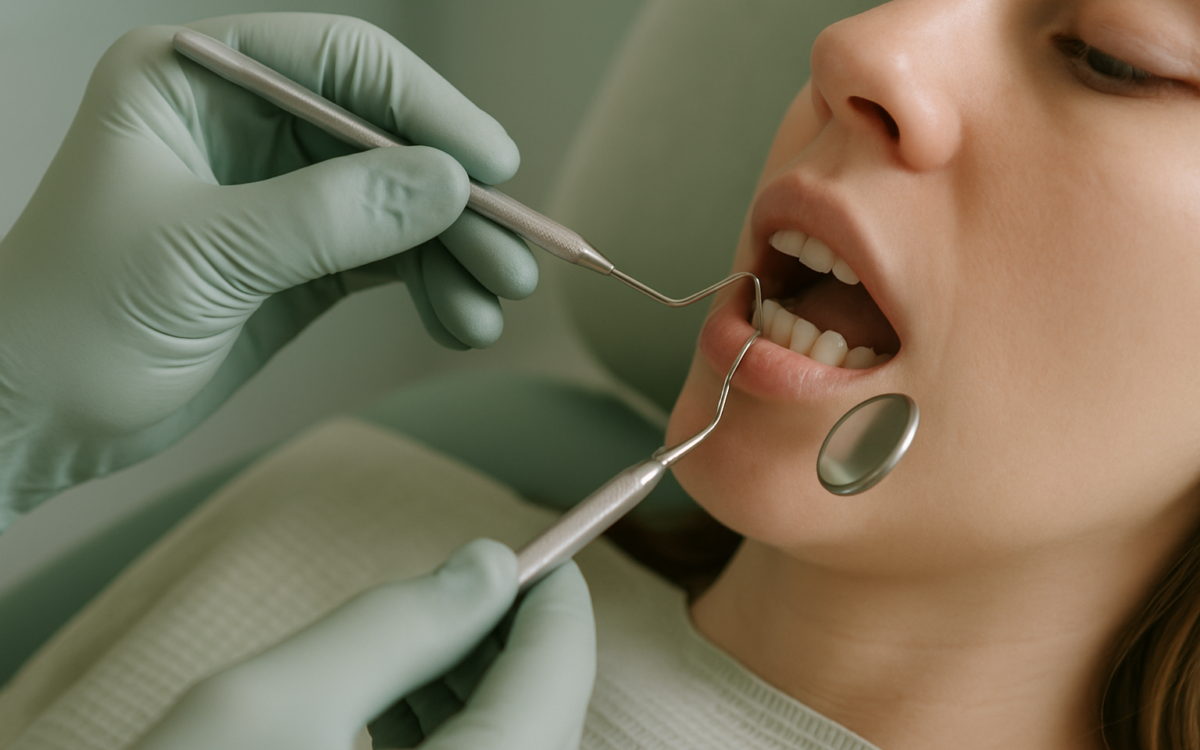
- Probe measurements: Using a special tool, the dentist will measure the depth of any pockets formed around your teeth. A depth of 4 mm or more is usually considered problematic.
- X-rays: These can help assess the bone level around your teeth to determine the extent of the periodontal disease.
Treatment Options for Periodontal Pockets
The treatment of periodontal pockets depends on the severity of the disease:
- Professional cleaning: A dental professional will perform deep cleaning to remove plaque and tartar from below the gum line.
- Scaling and root planing: This procedure involves scraping away tartar from above and below the gum line and smoothing the roots to discourage further buildup.
- Antibiotics: Your dentist may prescribe topical or oral antibiotics to eliminate infection.
- Surgery: In advanced cases, surgical procedures may be necessary to reduce pocket depth or regenerate lost tissue.
Importance of Preventive Care
The best way to manage periodontal pockets is through preventive care. Regular dental check-ups and cleanings play a vital role in early detection and treatment of gum disease. Here are some tips to maintain good gum health:
- Brush twice a day: Use fluoride toothpaste and a soft-bristled toothbrush to thoroughly clean your teeth and gums.
- Floss daily: Flossing removes food particles and plaque that your toothbrush may miss.
- Quit smoking: Breaking this habit can significantly improve your gum health.
- Eat a balanced diet: Proper nutrition supports your immune system and promotes healthy gums.
When to See a Doctor
If you notice symptoms like persistent bleeding gums, bad breath, or changes in your teeth’s stability, it’s important to see a dentist promptly. Early intervention can prevent the progression of gum disease and protect your overall health.
Conclusion
Periodontal pockets may seem like a minor oral concern, but they can have bigger implications for your health. Understanding the causes, symptoms, and treatments available can empower you to take charge of your dental hygiene. Regular check-ups and good oral practices can ensure your gums remain healthy, effectively reducing the risk of periodontal pockets and the problems associated with gum disease.
