
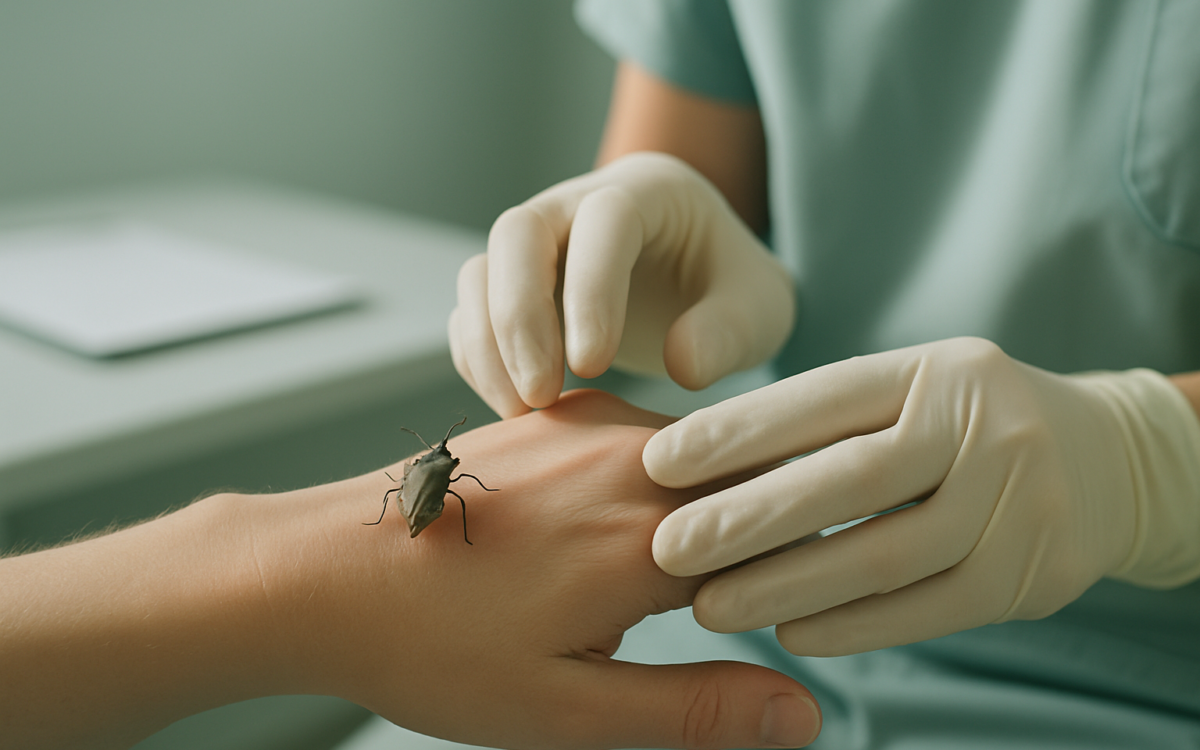
As the weather warms up, many of us notice a rise in pesky pests in our homes and gardens. One insect that often draws attention is the stink bug. But while people often wonder about their odor, a more pressing question arises: can stink bugs sting? Let’s delve into the world of these peculiar insects and uncover the facts.
What are stink bugs?
Stink bugs are part of the Pentatomidae family and are commonly found in North America. There are many species, but the most well-known is the brown marmorated stink bug. Recognizable by their shield-like shape and green or brown coloring, these bugs are often a nuisance during harvest seasons as they invade homes searching for warmth and shelter.
Do stink bugs sting?
The quick answer is no—stink bugs do not sting in the way that many other insects, such as bees or wasps, do. Instead of stingers, stink bugs have mouthparts designed for piercing and sucking, which they use to feed on plants. When they feel threatened, they release a foul odor as a defense mechanism, which is where they get their name. This odor can be quite unpleasant, but it doesn’t harm humans.
Can stink bugs bite?
While stink bugs do not sting, they can bite if they feel provoked or threatened. Their bites are not venomous and are generally harmless. However, they may cause mild irritation for some individuals. According to the National Institutes of Health, the bite symptoms can include minor redness and swelling where the bite occurred, similar to other harmless insect bites. These are usually not serious and tend to resolve quickly with no medical intervention. Interested in knowing more about insect bites? Check Mayo Clinic for insights.
Allergic reactions and skin sensitivity
While most people will only experience mild symptoms from stink bug bites, some individuals may have more pronounced reactions. This can include itching, redness, or swelling beyond the bite area. In rare cases, individuals may have an allergic reaction, leading to more severe symptoms. Symptoms of such a reaction might include:
- Hives
- Difficulty breathing
- Swelling around the face or mouth
- Dizziness or lightheadedness
If you experience these symptoms after a stink bug bite, it’s crucial to seek medical attention promptly.
Managing stink bugs in your home
While stink bugs do not pose significant health risks, they can be quite bothersome when they invade your home. Here are some tips for managing and preventing stink bug infestations:
- Seal entry points: Inspect your home for cracks and openings where stink bugs might enter. Use caulk or weather stripping to seal up these gaps.
- Remove food sources: Ensure that any fruits or vegetables are stored properly, as stink bugs may be attracted to them.
- Vacuum them up: If you find stink bugs in your home, using a vacuum is a quick way to remove them. Just remember to dispose of the vacuum bag outside to avoid re-infestation.
- Use insect repellents: There are various natural repellents available that may keep stink bugs at bay, such as garlic or peppermint oils.
When to see a doctor
If you have been bitten by a stink bug and notice any severe reactions, such as persistent pain, swelling or the onset of allergic symptoms, it’s important to consult a healthcare professional. They can provide an accurate assessment and recommend appropriate treatment if necessary.
Conclusion
While stink bugs are mostly harmless and do not sting, they can bite and cause mild discomfort. Understanding these insects’ behavior and taking preventive measures in your home can help you manage their presence effectively. As with any insect bite, if you’re ever in doubt or experience unusual symptoms, it’s best to consult a medical professional for advice. Stay informed, and enjoy a bug-free season!
