
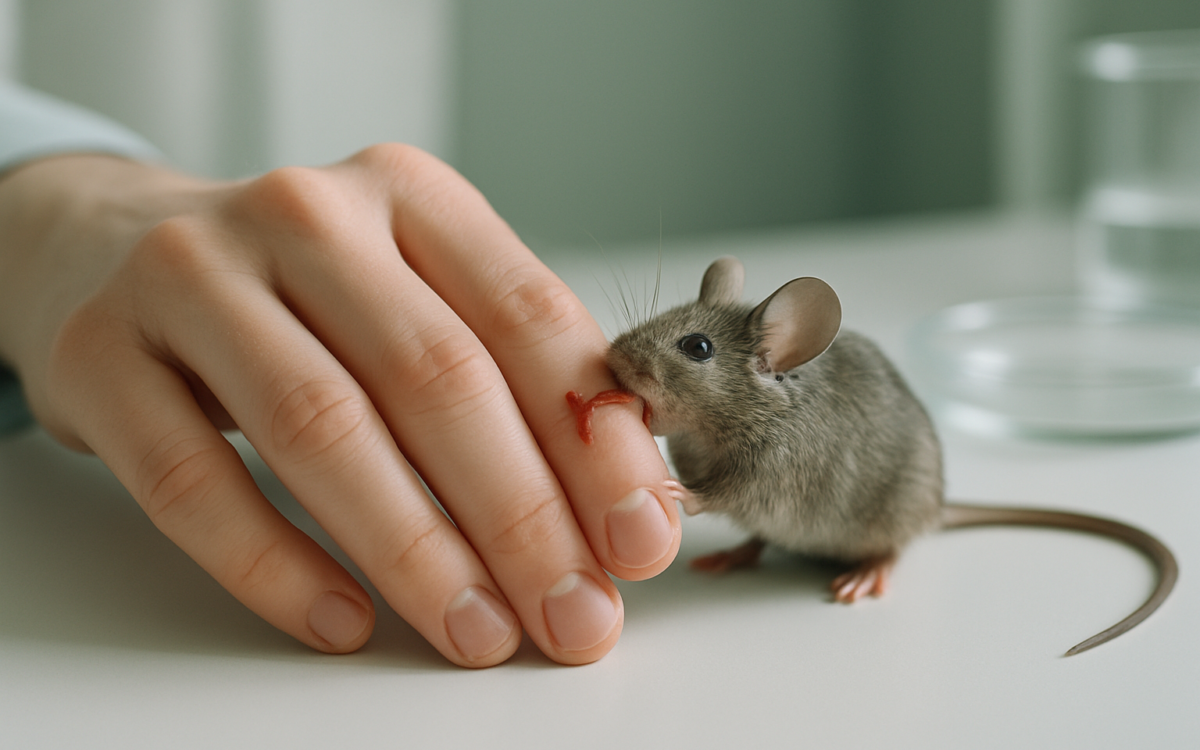
Mice are common household pests that can sometimes bite if they feel threatened. While the thought of a mouse bite might seem trivial compared to the bites of larger animals, it’s essential to understand that they can pose health risks. This article explores the symptoms of a mouse bite, the potential dangers, and how to handle a situation if you find yourself bitten.
What is a Mouse Bite?
A mouse bite occurs when a mouse bites a person, usually in self-defense when it feels cornered or threatened. While small in size, the bite can still pierce the skin and introduce bacteria into the wound.
Symptoms of a Mouse Bite
Recognizing the symptoms of a mouse bite is crucial. Here are some common signs to look out for:
- Pain or discomfort: After a bite, you may experience immediate pain at the site.
- Redness and swelling: The area around the bite might become red and swollen.
- Itching: Some bites can itch as they heal.
- Bloody or oozing wound: If the bite is deep, it may bleed or ooze pus, indicating an infection.
Potential Health Risks
While not all mouse bites lead to severe health issues, they can pose certain risks, particularly due to the bacteria that mice carry. Here are a few potential health concerns:
Infection
One of the most common risks associated with any animal bite, including mouse bites, is infection. Mice can carry various bacteria in their mouths, which can enter your bloodstream through the wound. According to the CDC, bites from rodents can transmit bacteria like Staphylococcus and Streptococcus.
Rat-bite fever
While more commonly associated with rat bites, mouse bites can potentially transmit a disease known as rat-bite fever. This condition can cause fever, rash, and joint pain and may require medical treatment to resolve. It is vital to seek medical attention if symptoms appear after a mouse bite.
First Aid for Mouse Bites
If you or someone else is bitten by a mouse, it’s essential to perform first aid to reduce the risk of infection:
- Clean the wound: Immediately wash the wound with soap and water for at least 15 minutes.
- Apply antiseptic: After cleaning, apply an antiseptic solution to help kill any bacteria.
- Cover the bite: Use a clean bandage or gauze to cover the wound and protect it from further irritation.
Prevention Tips
Taking steps to prevent mouse bites is crucial, especially if you live in an area prone to rodent infestations. Here are some tips:
- Keep food stored properly: Store food in sealed containers to avoid attracting mice.
- Maintain cleanliness: Regularly clean your home and dispose of trash properly to prevent rodent attraction.
- Seal entry points: Identify and seal cracks and openings in your home’s walls and foundation where mice might enter.
When to See a Doctor
If you experience any of the following conditions after a mouse bite, consult a healthcare professional:
- Signs of infection, such as increased redness, swelling, or pus.
- Fever or other systemic symptoms.
- Severe pain that does not lessen.
- If you have not had a tetanus shot in the last five years.
Conclusion
While a mouse bite may not seem serious, it can pose health risks if not addressed properly. Being aware of the symptoms, potential complications, and the importance of prevention can help keep you and your family safe. If you do get bitten, remember to practice appropriate first aid and consult with a healthcare provider to rule out any serious concerns.
