
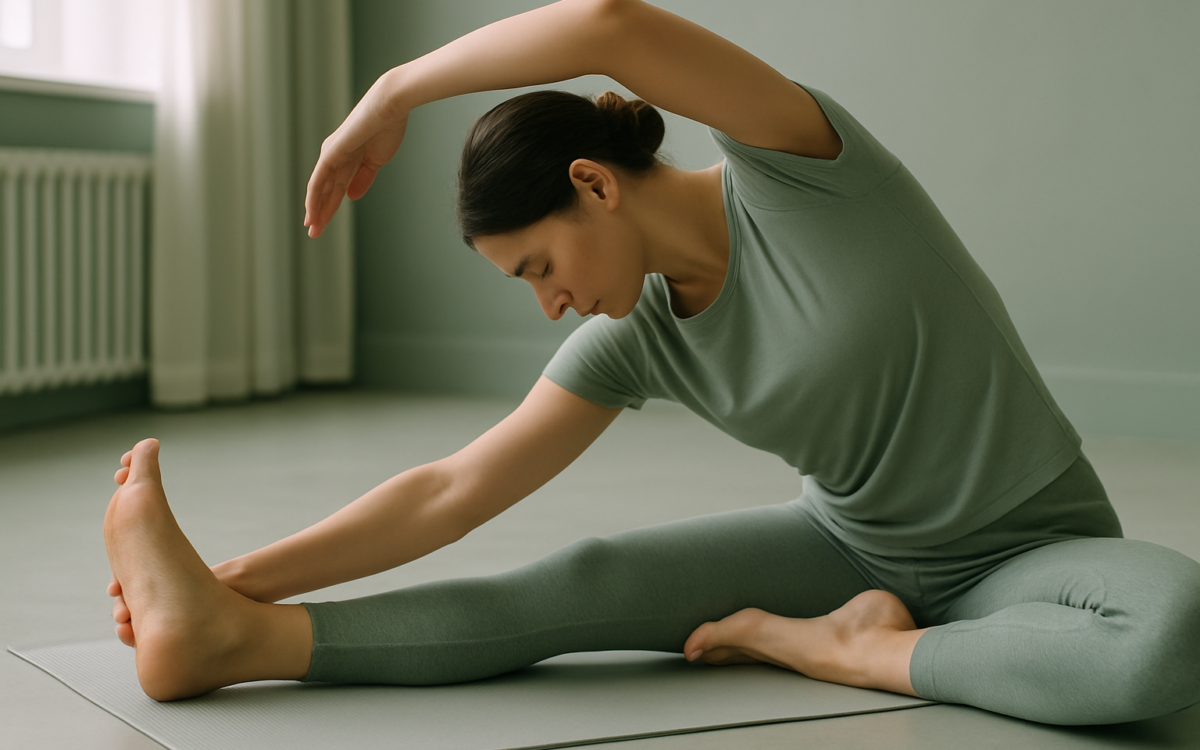
Stretching is often overlooked in the hustle of daily life, but a full body stretching routine can significantly enhance your flexibility, reduce muscle tension, and improve your overall health. Whether you’re waking up in the morning, cooling down after a workout, or just looking to incorporate some self-care into your day, stretching offers a wide array of benefits.
What Is a Full Body Stretching Routine?
A full body stretching routine comprises a series of stretches that target major muscle groups throughout your body. This kind of routine is designed to improve flexibility, increase blood flow to the muscles, and promote relaxation. Stretching can be done anytime but is especially effective when the muscles are warm, such as after a workout or a warm shower.
The Benefits of Stretching
Regular stretching provides numerous benefits:
- Improved Flexibility: Stretching helps maintain and gradually increase your range of motion. Over time, this can make daily activities, sports, and exercise easier.
- Reduced Muscle Tension: Stretching helps to relax tight muscles, reducing discomfort and soreness, making it easier to move freely.
- Enhanced Blood Circulation: It promotes blood flow to your muscles, which improves nutrient delivery and can aid recovery from strenuous activities.
- Better Posture: Stretching can help strengthen your posture by addressing muscle imbalances and tension, particularly in areas impacted by long periods of sitting.
These benefits are backed by research. According to the National Institutes of Health, flexibility training is vital for maintaining an active lifestyle, especially as we age.
Essential Stretches for Your Routine
Here’s a simple full body stretching routine you can follow. Aim to hold each stretch for 15-30 seconds and repeat two to three times. Remember, stretching should feel good—never push to the point of pain.
Neck Stretch
Start by gently tilting your head toward one shoulder, holding the position to stretch the side of your neck. Repeat on the other side.
Shoulder Stretch
Bring one arm across your chest and use the opposite hand to gently press your arm closer. Hold and switch sides.
Chest Stretch
Stand tall and clasp your hands behind your back. Straighten your arms and lift them slightly to open up your chest.
Back Stretch
While sitting, extend one arm overhead, gently bending to the opposite side to stretch your lower back. Hold and switch sides.
Hamstring Stretch
Sit on the ground with one leg extended. Reach toward your toes, feeling the stretch in your hamstring. Repeat on the other leg.
Quadriceps Stretch
Stand on one foot and pull the opposite heel toward your glutes, feeling a stretch in the front of your thigh. Hold onto a wall for support if needed. Switch legs.
Incorporating Stretching Into Your Day
To reap the benefits of stretching, try to integrate it into your daily routine. Here are some tips:
- Morning Routine: Begin your day with a short stretching session to wake up your muscles.
- Post-Workout: Always cool down with a full body stretch after exercising to aid recovery.
- Breaks: If you sit for long periods, take short breaks every hour to stand up and stretch.
Making stretching a regular part of your routine can help ensure you remain supple and injury-free.
Stretching and Safety
While stretching is generally safe for most people, there are a few precautions to keep in mind:
- Always warm up your muscles prior to stretching, especially when stretching cold muscles.
- Avoid bouncing or jerking motions, which can lead to strains. Move gently and steadily into each stretch.
- Listen to your body. If you feel pain, stop and seek to understand the discomfort.
When to See a Doctor
If you experience persistent pain or discomfort while stretching, it’s crucial to consult a healthcare professional. Conditions such as muscle strains or injuries may require medical evaluation. Always consult your doctor before beginning any new exercise routine, especially if you have existing health concerns or conditions.
Conclusion
A full body stretching routine can be an enjoyable and beneficial part of your health regimen. It not only enhances flexibility and muscle relaxation but also contributes to your overall physical well-being. By incorporating stretching into your daily routine, you pave the way for a healthier lifestyle that supports both mind and body. Stretching may seem simple, but its long-term effects are profound. Remember that every small effort counts and can lead to significant improvements in how you feel.
