
Many of us long for a good night’s sleep, but sometimes it seems elusive. Tossing and turning, counting sheep, and staring at the ceiling can become frustrating parts of our nightly routine. But don’t worry—there are proven strategies to help you sleep better and wake up refreshed. Let’s explore some of these effective methods.
Understanding the Importance of Sleep
Sleep is not just a time for our bodies to rest; it plays a crucial role in our physical and mental health. During sleep, our bodies repair themselves, our brains process information, and we consolidate memories. According to the CDC, a good night’s sleep is essential for overall health, reducing the risk of chronic diseases, improving mood, and enhancing cognitive function.
Create a Sleep-Friendly Environment
The environment where you sleep significantly impacts your sleep quality. Here are some key factors to consider when designing your sleep space:
- Comfortable Bedding: Invest in a good mattress and pillows that provide the right support for your body. Everyone has different comfort preferences, so choose what feels best for you.
- Temperature Control: Keep your bedroom cool, ideally between 60-67°F (15-19°C). A comfortable room temperature helps signal your body that it’s time to sleep.
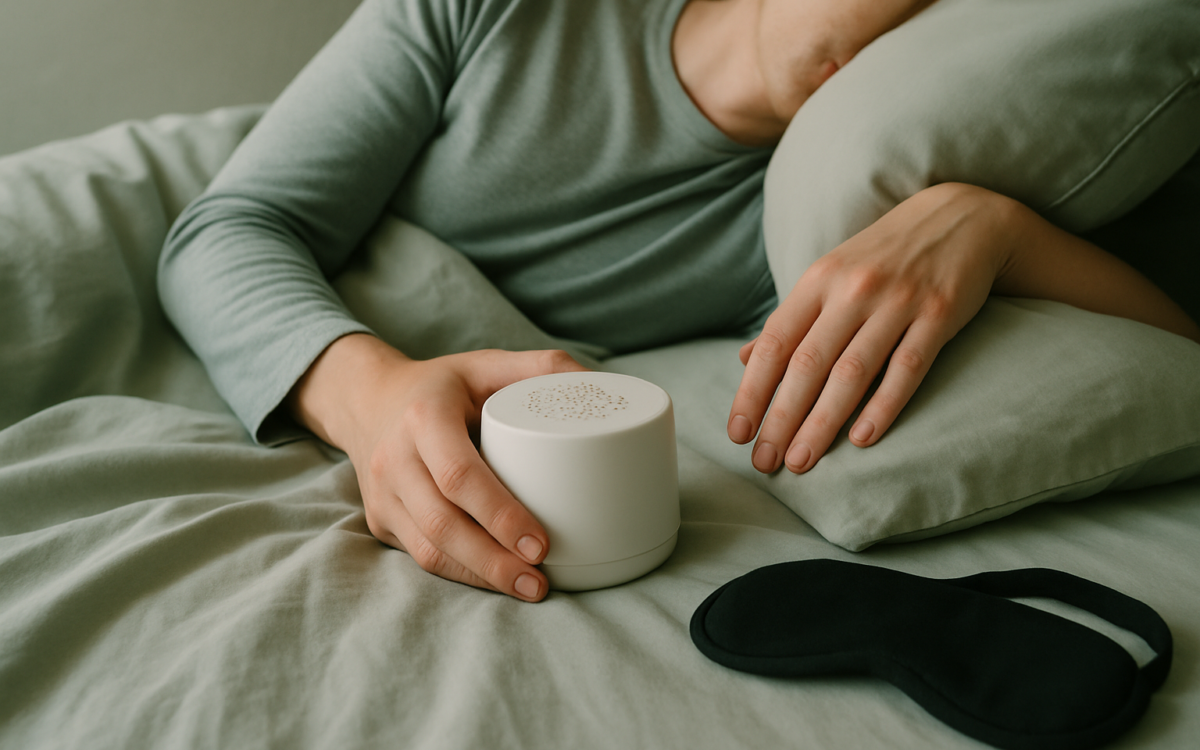
- Limit Light and Noise: Use blackout curtains to reduce light from outside, and consider using earplugs or a white noise machine if noise is an issue.
Establish a Relaxing Bedtime Routine
A calming pre-sleep routine can signal your body that it’s time to wind down. Here are some suggestions:
- Reduce Screen Time: The blue light emitted by screens can disrupt your natural sleep-wake cycle. Try to turn off screens at least an hour before bed.
- Engage in Relaxing Activities: Consider reading a book, practicing meditation, or taking a warm bath to help you relax.
- Set a Consistent Sleep Schedule: Going to bed and waking up at the same time every day reinforces your body’s natural sleep-wake cycle.
Focus on Your Diet and Exercise
What you eat and how you move during the day can greatly affect your sleep quality. Here are some tips:
- Avoid Heavy Meals: Eating large meals close to bedtime can lead to discomfort and disturb your sleep. Try to finish eating at least 2-3 hours before bed.
- Limit Caffeine and Alcohol: Both substances can interfere with your sleep patterns. Try to limit caffeine intake in the afternoon and evening and moderate alcohol consumption.
- Incorporate Physical Activity: Regular exercise can promote better sleep. Aim for at least 30 minutes of physical activity most days, but try to avoid vigorous workouts close to bedtime.
Explore Professional Help and International Options
If you continue to struggle with sleep despite trying various strategies, it might be time to seek help from a sleep professional. Conditions like sleep apnea or insomnia may require specific medical interventions. Additionally, you may want to consider international treatment options. For those exploring healthcare abroad, facilities like Acibadem International offer specialized sleep clinics where you can get comprehensive evaluations and treatments.
Be Mindful of Stress and Anxiety
Stress and anxiety can significantly interfere with your ability to fall and stay asleep. Employing stress-reduction techniques can be beneficial:
- Meditation and Mindfulness: Regular mindfulness practice can lower anxiety levels and improve your capacity to relax.
- Journaling: Writing down your thoughts can help clear your mind and make it easier to let go of worries before bed.
- Deep Breathing Exercises: Taking deep, slow breaths can help calm your nervous system.
When to See a Doctor
If you have attempted several sleep-improvement methods and still find it difficult to sleep or wake up feeling tired every morning, it may be time to consult with a healthcare professional. Persistent sleep issues can be a symptom of underlying health problems that require attention.
In conclusion, improving your sleep quality is achievable with a few changes to your routine and environment. Implementing these strategies can help you unlock the restful nights you deserve. Remember that everyone is different; what works for one might not for another. Be patient and find the sleep strategies that work best for you!
