
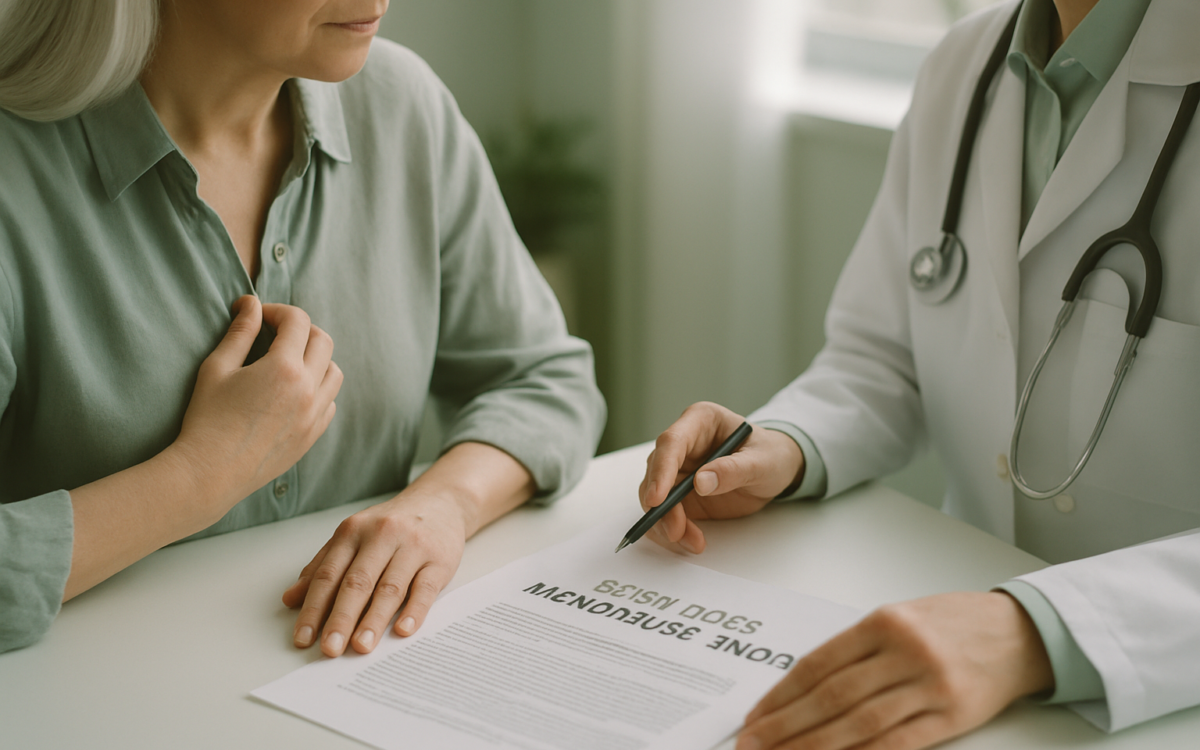
Menopause is a significant milestone in a woman’s life. It marks the end of her menstrual cycles and fertility, bringing various physical and emotional changes. Many women have questions about this transition and wonder, ‘When does menopause end?’ Understanding the different phases of menopause can help you navigate this natural process with more confidence and awareness.
The Stages of Menopause
Menopause is not a single event but a series of stages. These include:
- Perimenopause: This is the transitional phase leading up to menopause. It can start several years before the final menstrual period, typically in a woman’s 40s but sometimes earlier. Hormone fluctuations may cause irregular periods and various symptoms.
- Menopause: Officially, menopause is defined as having gone 12 consecutive months without a menstrual period. This usually occurs in the late 40s to early 50s.
- Postmenopause: This is the stage that follows menopause. Women continue to experience the effects of lower hormone levels, but the most debilitating symptoms often reduce over time.
When Does Menopause Typically End?
Menopause marks the end of a woman’s reproductive years, and it typically occurs between ages 45 and 55. According to the National Institutes of Health (NIH), the average age of menopause in the United States is 51. After reaching menopause, women enter the postmenopausal phase. The transition into this phase can vary, with some women experiencing a quick adjustment while others may take years to feel balanced.
Changes During Menopause
During this transition, women can encounter several symptoms, including:
- Hot flashes
- Night sweats
- Mood changes
- Weight gain or changes in body composition
- Sleep disturbances
- Vaginal dryness or discomfort during intercourse
While some women find their symptoms lessen after the first year following menopause, others may face challenges for several years. The symptoms can also return under stress or hormonal fluctuations.
Managing Menopause Symptoms
Managing symptoms is essential during menopause and postmenopause. Options for relief may include:
- Lifestyle changes: Regular exercise, a balanced diet, and stress management techniques can be beneficial in easing symptoms.
- Hormone therapy: Some women choose hormone replacement therapy (HRT) to alleviate severe symptoms. Discussing this option with a healthcare provider can help determine if it’s right for you.
- Non-hormonal treatments: Medications and supplements can also help manage symptoms, such as antidepressants for mood swings or products designed for vaginal dryness.
The Emotional Impact of Menopause
Menopause can also bring emotional changes. Many women report feeling more anxious or stressed during this time due to hormonal shifts. Social, familial, and personal factors can amplify these feelings. It’s crucial to recognize that seeking support from healthcare professionals, friends, or support groups can help in coping with these challenges.
Long-Term Health Considerations
Once menopause is complete, several important health considerations arise. Women are at a heightened risk for certain conditions, including:
- Osteoporosis: The decrease in estrogen levels can lead to bone density loss, making regular screenings and a focus on bone health essential.
- Heart disease: Changing hormone levels can also impact heart health. Adopting a heart-healthy lifestyle is crucial.
- Weight management: Many women find it easier to gain weight during and after menopause due to changes in metabolism.
It is recommended to discuss long-term health plans and screenings with a healthcare provider as you transition into postmenopause.
When to See a Doctor
If you’re experiencing severe symptoms that disrupt your daily life or have concerns about menopause and its effects, it’s essential to consult a healthcare provider. A doctor can help you explore treatment options and manage your symptoms effectively. Additionally, routine check-ups for health screenings become even more important as you transition into postmenopause.
Conclusion
Menopause is a natural part of aging that marks the end of a woman’s reproductive years. Understanding when menopause ends and the phases leading to it can empower women to manage the changes they face. While the symptoms can be significant, there are various strategies for relief. Remember, if you’re ever in doubt or concerned about your health during this time, don’t hesitate to reach out to a healthcare professional for guidance and support.
