
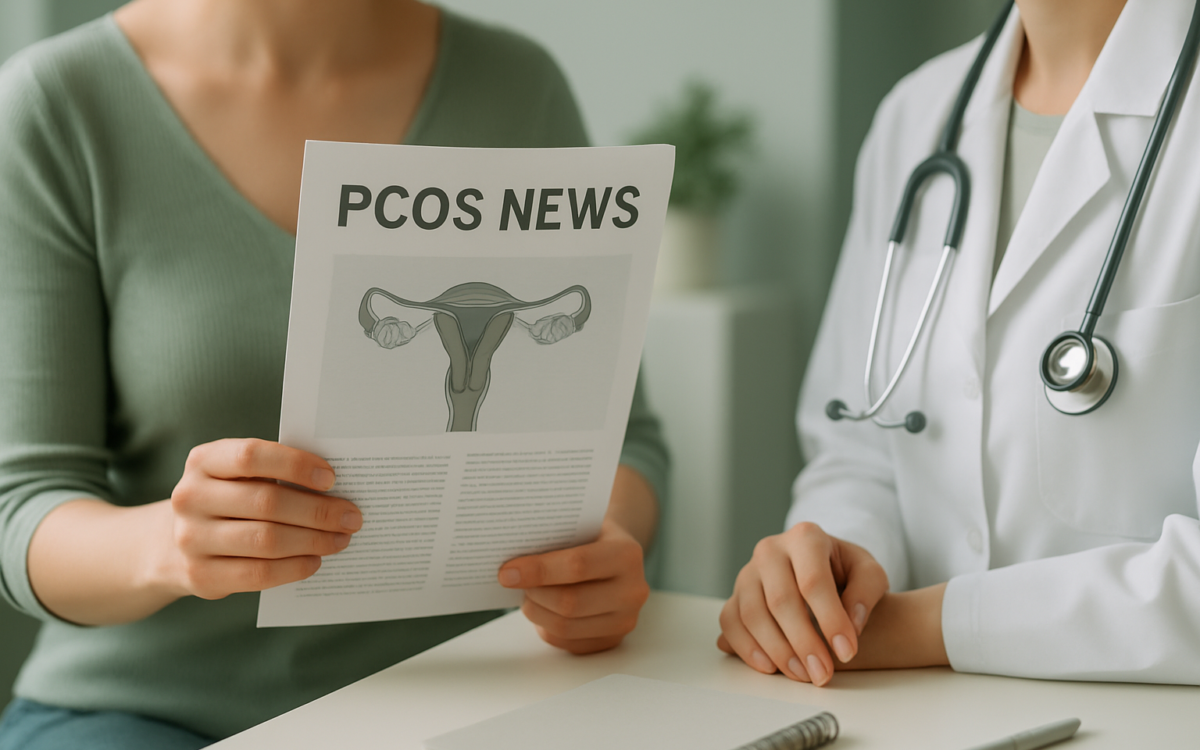
Polycystic Ovary Syndrome (PCOS) affects millions of women worldwide, but the news surrounding it is often overwhelming or confusing. Recent research and developments shine new light on this common endocrine disorder, offering hope and clarity to those affected. Understanding the latest insights can empower women with knowledge for better health management.
Understanding PCOS: A Brief Overview
PCOS is a condition characterized by hormonal imbalance, where the ovaries produce more male hormones (androgens) than normal. This imbalance can lead to various symptoms, including irregular periods, weight gain, acne, and excess hair growth. Additionally, it can pose long-term health risks, such as diabetes and heart disease.
Research shows that PCOS is increasingly recognized and diagnosed, which is essential for early intervention and management. The exact cause of PCOS remains unclear, but genetic and environmental factors are thought to contribute to its development. Various studies highlight the importance of addressing lifestyle factors, such as diet and exercise, in managing symptoms and improving quality of life.
Latest Research Developments on PCOS
Recent studies have revolutionized our understanding of PCOS and its implications. Here are some of the most impactful developments that have made news:
Genetic Insights
Genetic research has unveiled potential markers linked to PCOS. A study published in a peer-reviewed journal discovered specific gene variations that may increase the risk of developing PCOS. Understanding these genetic factors can lead to better screening and personalized treatment options in the future. For more information, visit the NIH website.
Enhancing Diagnostic Criteria
The criteria for diagnosing PCOS have evolved as researchers learn more about the syndrome. The Rotterdam criteria, widely used since 2003, include irregular ovulation, excess androgen, and polycystic ovaries on ultrasound. However, new studies suggest that the diagnostic process may need to be refined further to include metabolic assessments. This could ensure that women receive accurate diagnoses and appropriate care.
New Treatment Approaches
With ongoing research, treatment options for PCOS are also expanding. Recent studies have found that the combination of lifestyle changes and medications like Metformin can significantly improve symptoms and regulate menstrual cycles. Additionally, hormonal treatments and even newer medications are being researched to specifically target androgen levels. Women are encouraged to discuss these options with their healthcare providers, as personalized treatment can significantly improve symptoms.
The Role of Nutrition and Lifestyle
A key takeaway from recent PCOS news is the crucial role of nutrition and lifestyle in managing symptoms. Several studies emphasize the benefits of a balanced diet and regular physical activity. These changes not only help in weight management but also improve insulin sensitivity, which is often a concern for women with PCOS.
Here are some dietary tips supported by recent research:
- Focus on whole foods: Incorporate fruits, vegetables, whole grains, and lean proteins.
- Limit processed foods: Reduce the intake of sugary snacks and beverages.
- Stay active: Aim for at least 150 minutes of moderate-intensity exercise each week to help regulate hormones and support weight management.
Consulting with a nutritionist can provide personalized dietary plans that cater to individual needs and preferences.
Emotional and Psychological Impact of PCOS
Living with PCOS can have emotional implications, affecting self-esteem and mental health. Recent studies indicate a higher prevalence of anxiety and depression among women with PCOS. It’s essential to acknowledge how this hormonal condition can impact mental well-being.
Support from healthcare professionals, along with therapy and peer support groups, can make a significant difference. Mental health resources paired with physical health management are crucial for holistic well-being.
Latest Awareness Initiatives
Awareness campaigns about PCOS have gained momentum, aiming to educate women, healthcare providers, and the public about the syndrome. Initiatives such as PCOS Awareness Month, celebrated every September, help shine a spotlight on this often-misunderstood condition.
Organizations like the World Health Organization (WHO) are actively encouraging further research while pushing for more healthcare access, treatment options, and resources for those affected by PCOS. By raising awareness, these initiatives promote better understanding and management of the condition.
When to See a Doctor
If you experience symptoms associated with PCOS—such as irregular periods, unexplained weight gain, or excessive hair growth—consider consulting a healthcare provider. Early diagnosis and intervention are vital for managing symptoms effectively and preventing complications.
Conclusion
Staying abreast of the latest PCOS news and insights is essential for women impacted by the condition. With ongoing research and growing awareness, there’s hope for effective management and improved quality of life. Remember that informed healthcare decisions and support from professionals can pave the way for healthier futures for those with PCOS.
