
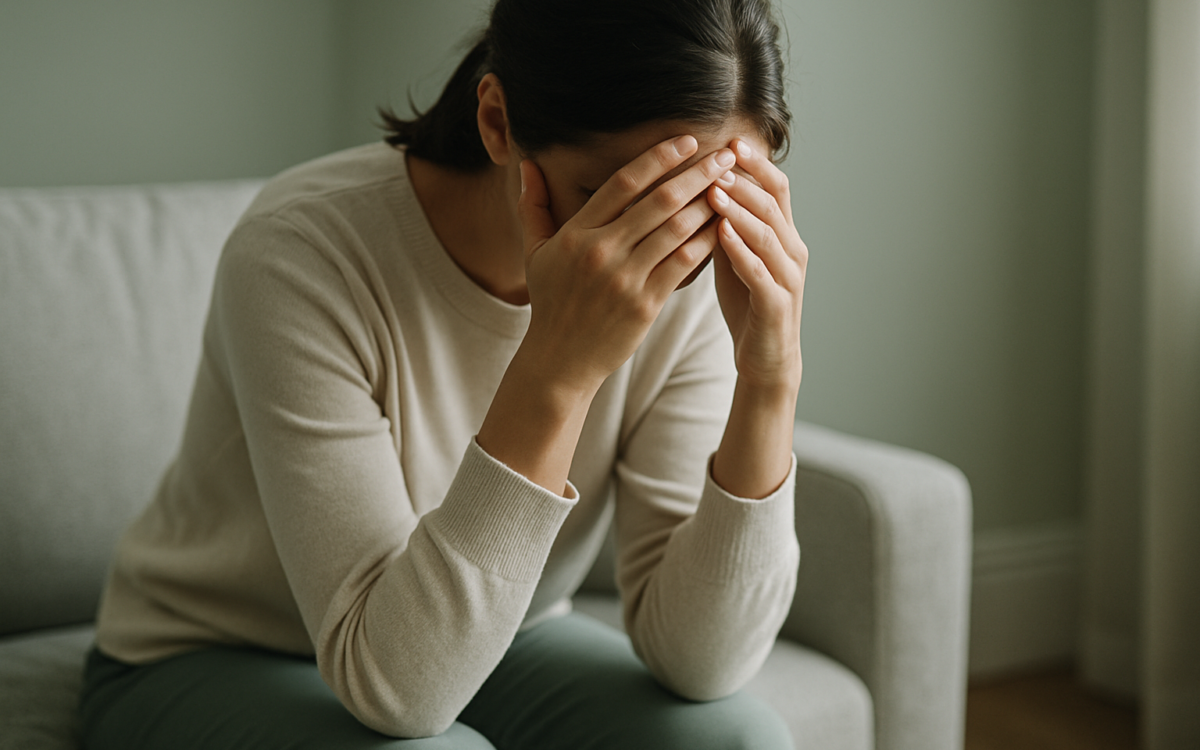
Acute anxiety can feel overwhelming, like a sudden wave that crashes down, leaving you gasping for air. It can disrupt your daily life, relationships, and even your physical health. Understanding acute anxiety is the first step toward managing it effectively. In this article, we will explore what acute anxiety is, its symptoms, potential triggers, coping strategies, and when to seek help.
What is Acute Anxiety?
Acute anxiety is a sudden and intense episode of anxiety, characterized by a rapid onset of symptoms that can be debilitating. It often arises in response to a specific event or situation, such as a stressful job interview, flying on an airplane, or facing a public speaking engagement. While occasional feelings of anxiety are normal, acute anxiety can be more severe and may interfere significantly with daily functioning.
Recognizing the Symptoms
The symptoms of acute anxiety can manifest in various ways, both physically and emotionally. Here are some common signs to look out for:
- Physical Symptoms: These may include a rapid heartbeat, shallow breathing, sweating, trembling, dizziness, and muscle tension.
- Emotional Symptoms: Feelings of dread, irritability, uncontrollable worry, fear of losing control, or feelings of impending doom.
- Cognitive Symptoms: Difficulty concentrating, racing thoughts, or a sense of being detached from reality.
Acute anxiety can strike suddenly and may last for a short period, often resolving once the triggering situation is removed. However, repeated episodes can signal a more persistent anxiety disorder.
Common Triggers of Acute Anxiety
Understanding the triggers of acute anxiety is crucial for prevention. Triggers can vary from person to person but may include:
- Stressful life events, such as relationship issues, job loss, or family emergencies.
- Environmental factors, like loud noises, crowded places, or feeling trapped.
- Health concerns, such as chronic illnesses or worries about future medical conditions.
- Substance use, including caffeine, nicotine, and drugs that can heighten feelings of anxiety.
By identifying your personal triggers, you can better prepare and equip yourself to manage acute anxiety when it arises.
Coping Strategies for Acute Anxiety
When faced with acute anxiety, having effective coping strategies can make a significant difference. Here are some techniques that many find helpful:
1. Breathing Exercises
Practicing deep, slow breathing can help calm your nervous system. Try inhaling deeply through your nose for a count of four, holding for a moment, then exhaling slowly through your mouth for a count of four. Repeat this several times until you feel more relaxed.
2. Mindfulness and Grounding Techniques
Engaging in mindfulness helps bring your focus back to the present moment. Grounding techniques, such as the 5-4-3-2-1 method, can help you reconnect with your surroundings:
- Identify 5 things you can see.
- Name 4 things you can touch.
- Notice 3 things you can hear.
- Identify 2 things you can smell.
- Recognize 1 thing you can taste.
3. Physical Activity
Engaging in physical activity can release endorphins and improve mood. Even a brisk walk, stretching, or practicing yoga can help reduce feelings of anxiety.
4. Reach Out for Support
Don’t hesitate to talk to friends, family, or mental health professionals about your feelings. Sharing your experiences can lighten the emotional load and provide you with additional coping strategies.
5. Limit Stimulants
Reducing or eliminating caffeine and nicotine can help minimize anxiety symptoms, as both substances can trigger or exacerbate feelings of anxiety.
When to Seek a Doctor
If acute anxiety interferes with your daily life or if you experience symptoms that are consistently overwhelming, it’s important to reach out for professional help. Seek medical advice if you notice:
- Anxiety that persists over time and does not improve with self-help strategies.
- Your anxiety is affecting your work, relationships, or overall well-being.
- You have thoughts of harming yourself or others.
Healthcare providers can work with you to develop a personalized treatment plan, which may include therapy, medication, or lifestyle changes. Resources such as the NIH and the Mayo Clinic offer valuable information on anxiety and mental health.
Conclusion
Acute anxiety can be a challenging experience, but recognizing its symptoms and triggers is the first step toward effective management. With practical coping strategies and support, many individuals find ways to navigate through their anxiety. Always remember, seeking help is a powerful step in the journey towards emotional well-being.
