
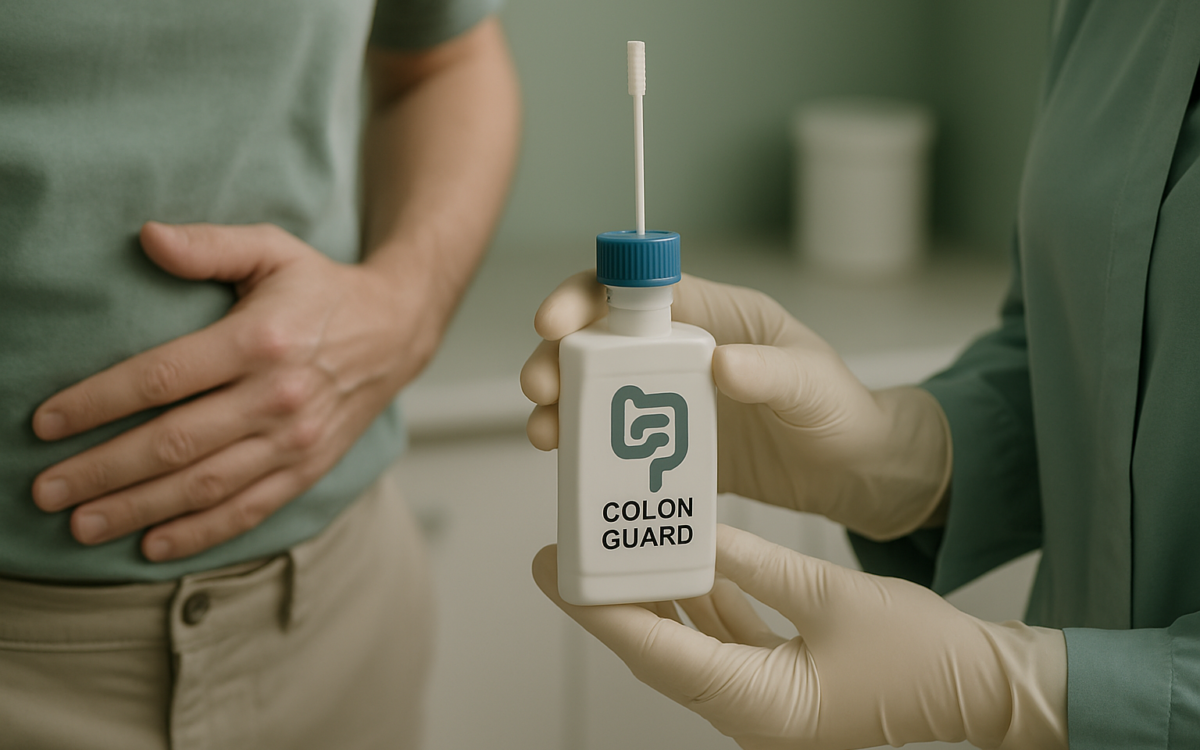
Colon health is an essential part of our overall well-being, yet many people overlook it until symptoms arise. The Colon Guard system offers a preventive approach to reducing the risk of conditions affecting the colon, including colorectal cancer. In this article, we’ll explore what Colon Guard is, how it works, and its importance in maintaining your digestive health.
What is Colon Guard?
Colon Guard is a non-invasive screening test designed to detect early signs of colorectal cancer and other abnormalities in the colon. It works by identifying certain biomarkers in the stool that could indicate the presence of cancerous or precancerous changes in the colon. This test is especially important for individuals aged 45 and older, as the risk of colorectal cancer increases with age.
Understanding Colorectal Cancer
Colorectal cancer is one of the most common types of cancer affecting both men and women. It occurs when abnormal cells in the colon or rectum grow uncontrollably. According to the Centers for Disease Control and Prevention (CDC), about 1 in 24 people will develop colorectal cancer in their lifetime. Early detection through screening plays a crucial role in increasing the chances of successful treatment.
How Does Colon Guard Work?
The Colon Guard test is simple to use. It involves collecting a stool sample at home and sending it to a laboratory for analysis. The lab checks for specific DNA markers known to indicate the presence of colorectal cancer or advanced polyps. Results are usually available within a few weeks.
Who Should Consider Colon Guard?
While anyone can benefit from a preventive approach to colon health, certain individuals should prioritize screening using Colon Guard:
- Age: Adults aged 45 and older are advised to undergo regular screenings.
- Family History: If you have a family history of colorectal cancer or polyps, your doctor may recommend earlier screenings.
- Personal History: Individuals with a history of inflammatory bowel disease or previous polyps are at greater risk.
- Lifestyle Factors: Those with lifestyle factors such as obesity, smoking, or a diet high in red or processed meats should also consider regular screenings.
The Advantages of Colon Guard
Colon Guard offers several advantages for individuals seeking to maintain their colon health. Some of these include:
- Non-invasive: Unlike traditional colonoscopies, Colon Guard is non-invasive, allowing for easier testing.
- Convenience: The test can be done at home, making it accessible and less intimidating for many individuals.
- Accuracy: The test has been shown to have a high accuracy rate for detecting colorectal cancer. Research published by the National Institutes of Health (NIH) confirms that stool-based tests can be effective in identifying cancers.
Interpreting Your Results
When you receive your Colon Guard results, it’s important to understand what they mean:
- Negative Result: A negative result typically means that no significant markers were found, indicating a lower risk for colorectal cancer at that time.
- Positive Result: A positive result suggests the presence of markers that may indicate cancer or advanced polyps. This does not necessarily mean you have cancer; further testing, like a colonoscopy, will be needed for a definitive diagnosis.
Discussing your result with your healthcare provider can help clarify next steps and appropriate follow-up actions.
When to See a Doctor
If you experience any of the following symptoms, it’s essential to consult a healthcare professional:
- Unexplained changes in bowel habits (diarrhea, constipation, or narrowing of stool).
- Blood in your stool or rectal bleeding.
- Persistent abdominal discomfort, such as cramps, gas, or pain.
- Unexplained weight loss.
These symptoms can indicate various health conditions, some of which may require prompt medical attention. Regular screenings, including the Colon Guard test, help keep your colon health in check.
Conclusion
The Colon Guard test is an innovative tool for gauging colorectal health. It serves as an important step in early detection of potential issues. By understanding your risk and considering regular screenings, you can take proactive steps toward maintaining your digestive health. Always remember to discuss your health history and screening options with your healthcare provider to ensure the best personalized care for you.
