
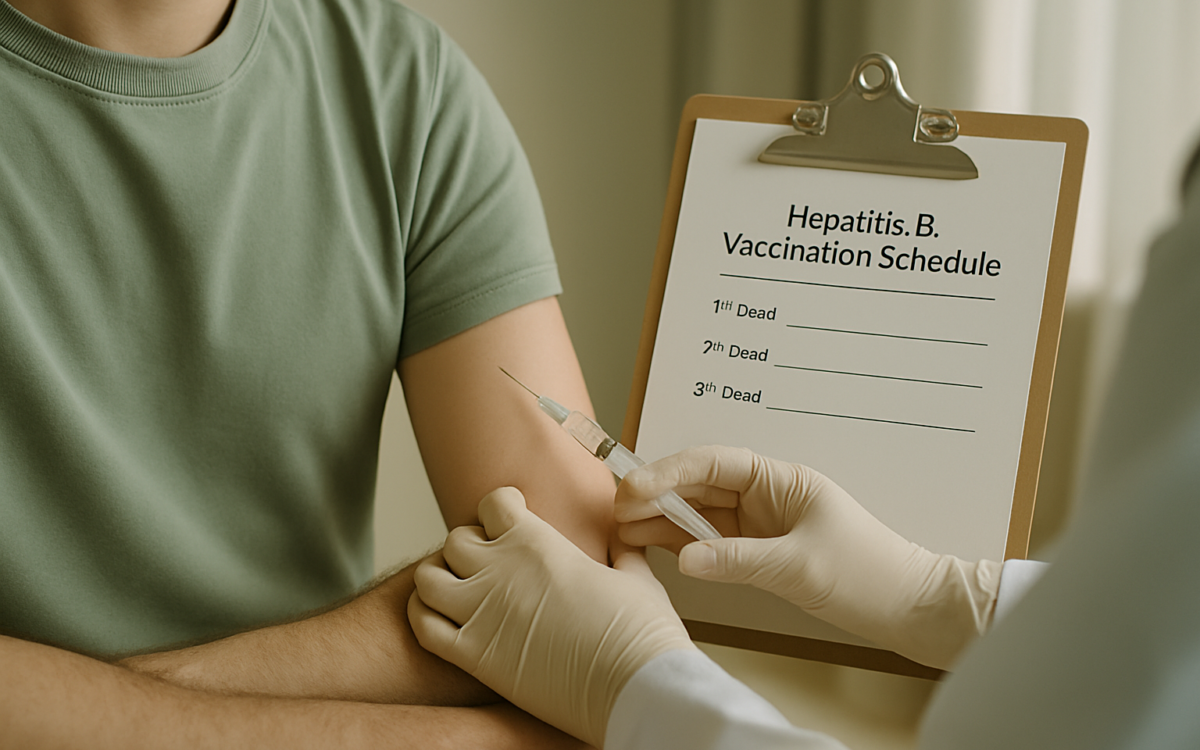
Hepatitis B is a serious viral infection that affects the liver and can lead to long-term health issues, such as chronic liver disease and liver cancer. Fortunately, there is an effective vaccine that can help protect adults from this disease. Understanding the vaccination schedule for hepatitis B is crucial for maintaining your health and the health of those around you. In this article, we’ll explore how the vaccine works, who should get vaccinated, and the vaccination schedule for adults.
What is Hepatitis B?
Hepatitis B is caused by the hepatitis B virus (HBV), which spreads through contact with the blood or other body fluids of an infected person. Common transmission routes include unprotected sex, sharing needles, or from mother to child during childbirth. Many people with hepatitis B do not experience symptoms right away, which is why vaccination is so important.
Why Get Vaccinated?
The hepatitis B vaccine is highly effective at preventing the infection. According to the Centers for Disease Control and Prevention (CDC), vaccination can reduce the risk of getting hepatitis B by 95%. Getting vaccinated not only protects you but also helps reduce the spread of the virus in the community. Vaccination is especially recommended for adults at higher risk, including:
- Healthcare workers
- People with multiple sexual partners
- Individuals who inject drugs
- People with a chronic liver disease history
Vaccination Schedule for Adults
The hepatitis B vaccination schedule typically consists of three doses administered over a six-month period. Here is the general schedule:
- First Dose: Administered at a time of your choosing, ideally as soon as you identify you are at risk or as per doctor recommendation.
- Second Dose: Given 1 month after the first dose.
- Third Dose: Administered 6 months after the first dose.
This schedule is effective for most adults. However, some individuals may have altered schedules based on their specific health circumstances or vaccination responses. Consulting with a healthcare provider can ensure you receive the right timeline for your situation.
Alternative Vaccine Schedules
For those who may have missed doses or who may need a quicker immunization due to travel or other reasons, alternative schedules exist. For instance, a rapid vaccination schedule can be employed, allowing the vaccinations to be completed in as little as 14 days. This approach is particularly useful for individuals traveling to areas with high hepatitis B prevalence.
In some cases, especially for international travelers looking for treatment options, facilities like Acibadem International offer comprehensive vaccination programs tailored for various needs, which can be beneficial for those who may need immediate attention.
What to Expect After Vaccination
Most adults experience mild side effects after the hepatitis B vaccine. These might include:
- Soreness at the injection site
- Low-grade fever
- Fatigue
These side effects usually resolve within a few days. Serious side effects are rare but can include allergic reactions. If you experience any unusual symptoms after receiving the vaccine, it’s essential to contact your healthcare provider.
When to See a Doctor
If you think you need the hepatitis B vaccine or have missed a dose, consult your healthcare provider. Additionally, if you experience severe symptoms post-vaccination, such as difficulty breathing or swelling of the face and throat, seek medical attention immediately. Regular liver health check-ups and discussions about vaccinations are also vital, especially for at-risk populations or those with previous liver conditions.
Conclusion
The hepatitis B vaccination is a critical component of health protection for adults, especially those at higher risk. Following the vaccination schedule can significantly reduce the likelihood of contracting this serious virus. If you have concerns about your vaccination status or health risks associated with hepatitis B, don’t hesitate to consult your doctor for personalized advice.
